✅Verified
🏠 Local Business
Trafaria • Lisbon & Cascais
Gota Dagua Portugal
78/100
★4.9(850)
7 Days Surf & Yoga Pack
7 Days Surf Pack
7 Days Basic Pack
$Budget-friendly
Start your surfing journey with camps designed specifically for first-time surfers and those looking to build solid foundations.
364 results
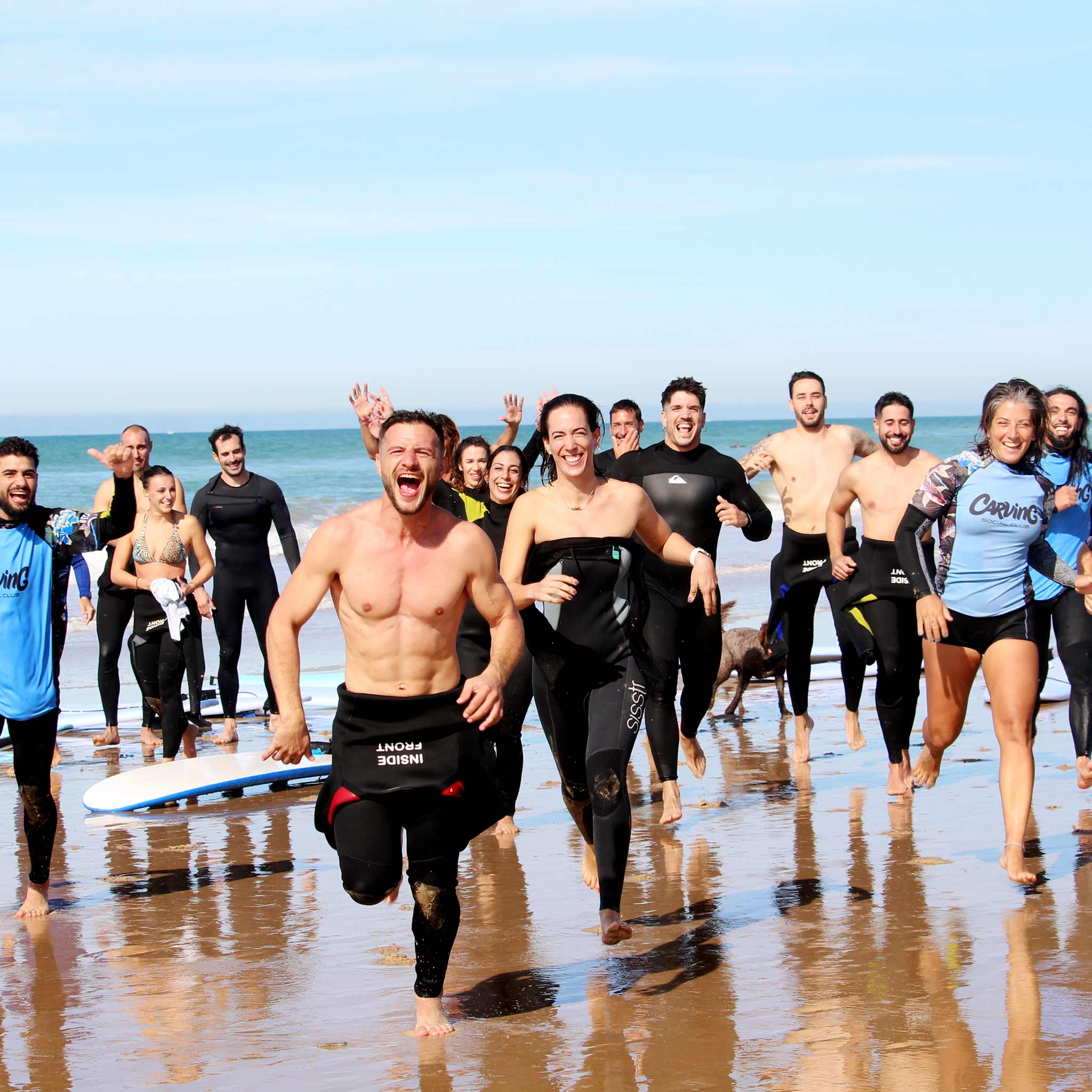
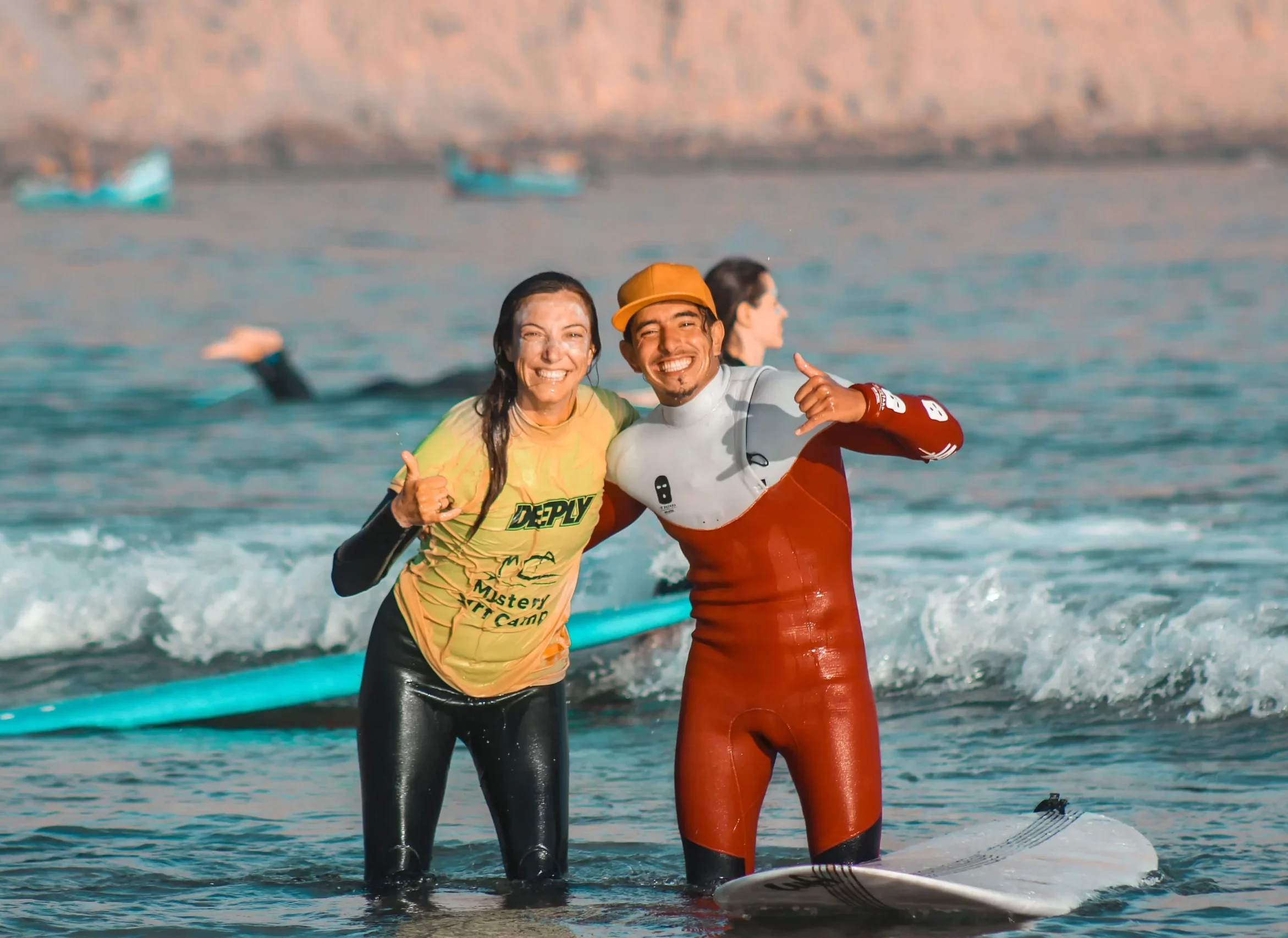
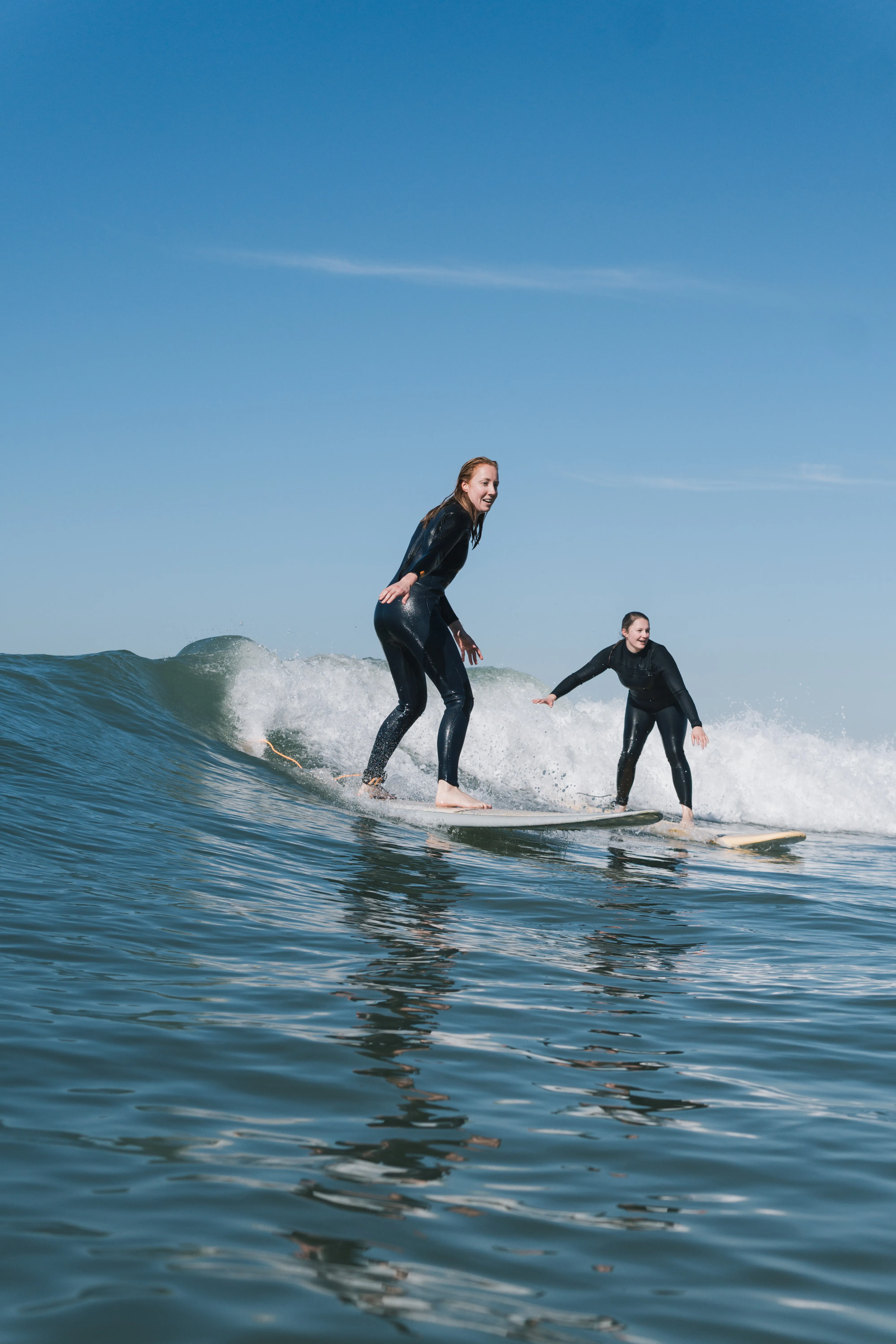
A beginner surf camp transforms the dream of riding waves into reality. These camps specialize in teaching first-time surfers everything from paddling technique to catching their first wave. With patient instructors, safe beaches, and proper equipment, a quality surf camp for beginners removes the guesswork and accelerates your learning.
A beginner surf camp offers structured immersion that individual lessons cannot match. Daily practice, consistent coaching, and total focus create rapid progression. Most beginners stand on a wave within their first session and ride unbroken waves by week's end.
Key advantages of learning at a surf camp for beginners:
Not all camps excel at teaching beginners. The best beginner surf camps share these characteristics:
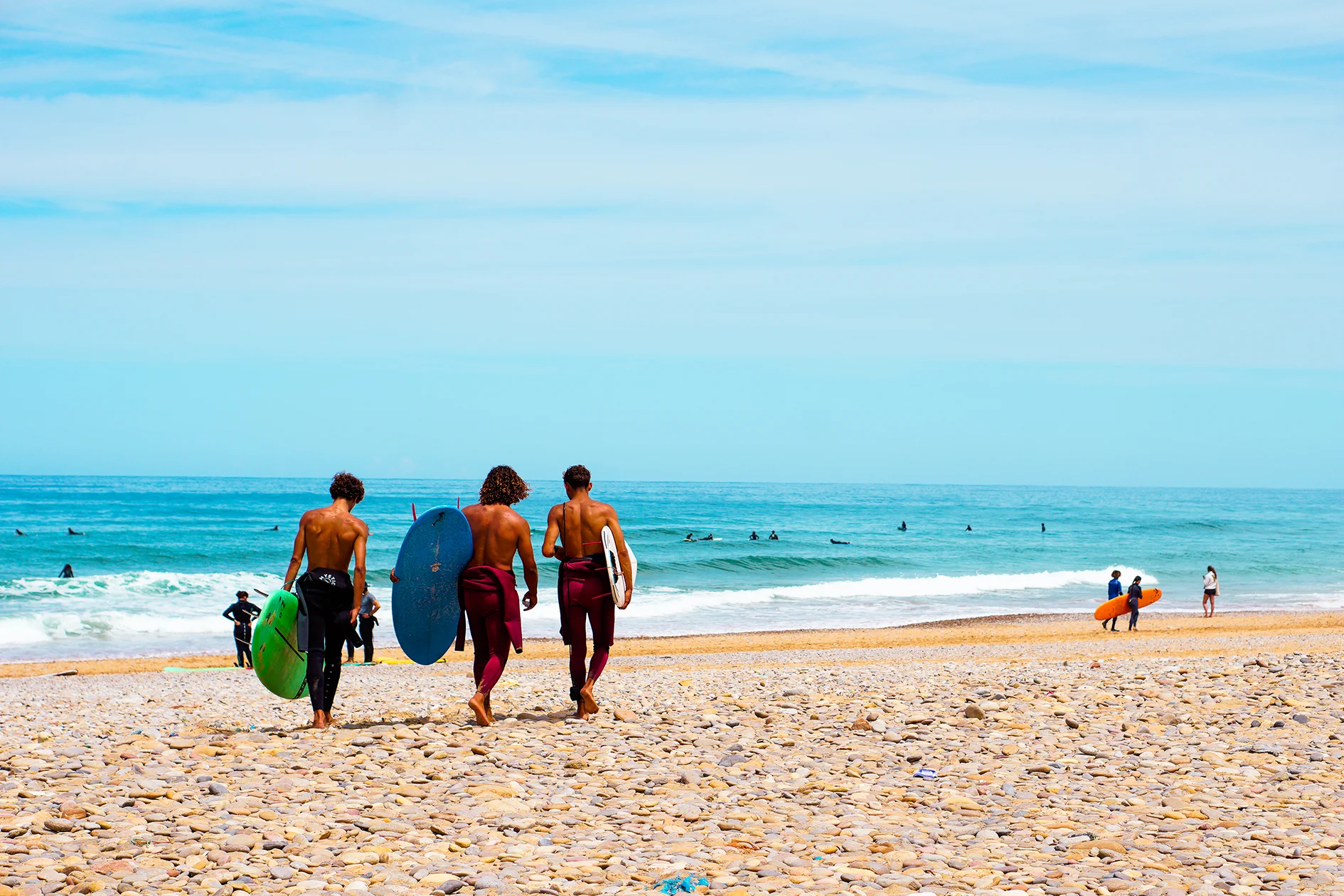
Look for camps near sandy-bottom beaches with consistent, gentle waves. Reef breaks and powerful shore breaks are dangerous for learners. The ideal beginner wave is waist-high, slow-rolling, and breaks predictably.
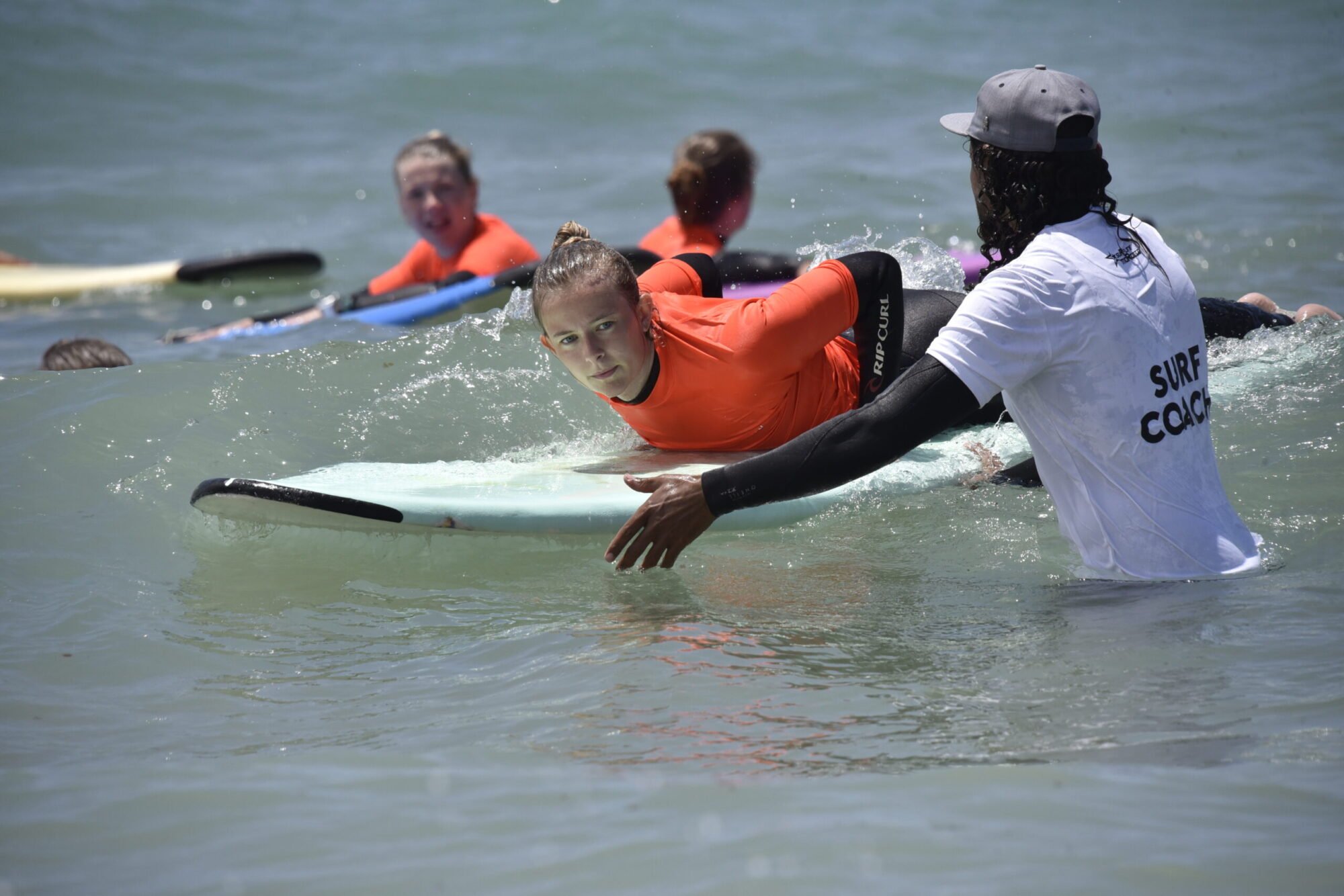
Quality camps employ certified surf instructors with lifeguard training. Many instructors at top beginner camps hold ISA (International Surfing Association) certifications. Experience teaching beginners specifically matters more than personal surfing ability.
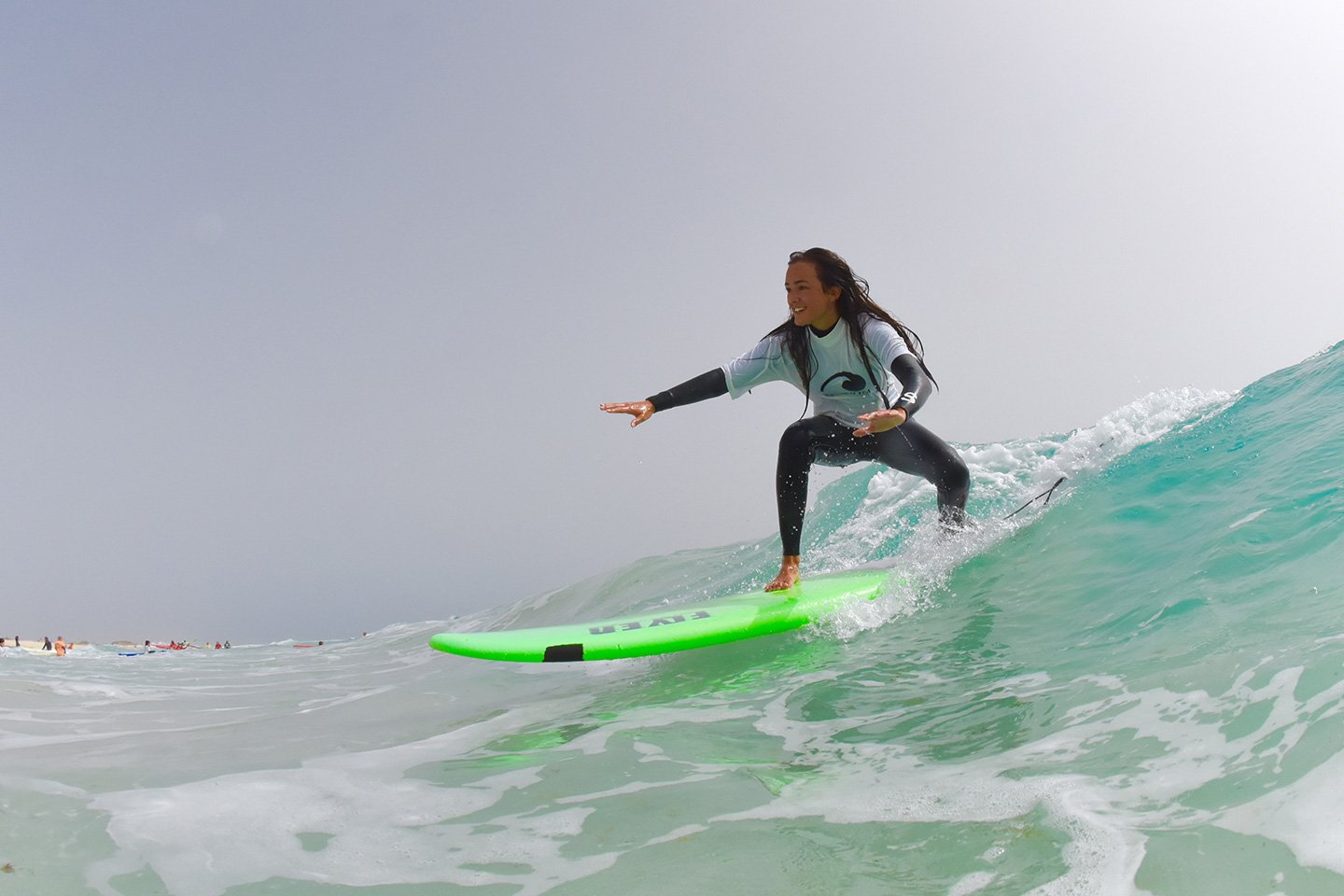
Surf camps for beginners should provide soft-top boards (foam boards) that are wide, stable, and forgiving. Hard fiberglass boards are inappropriate for first-time surfers. Wetsuits should fit properly; ill-fitting gear hinders learning.
Beginner surf camps are designed exactly for people who have never surfed. No prior experience is needed. The entire curriculum assumes you're starting from zero. All you need is basic swimming ability and willingness to learn. Instructors have taught hundreds of first-timers and know exactly how to progress you safely.
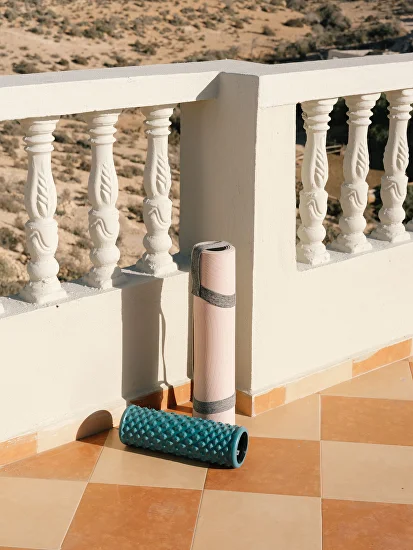
You don't need to be an athlete. Surfing is physically demanding, but beginner camps pace sessions appropriately and include rest days. Basic swimming ability is essential for safety. Paddling fitness develops during the week. Many camps include yoga to help prepare your body and aid recovery.
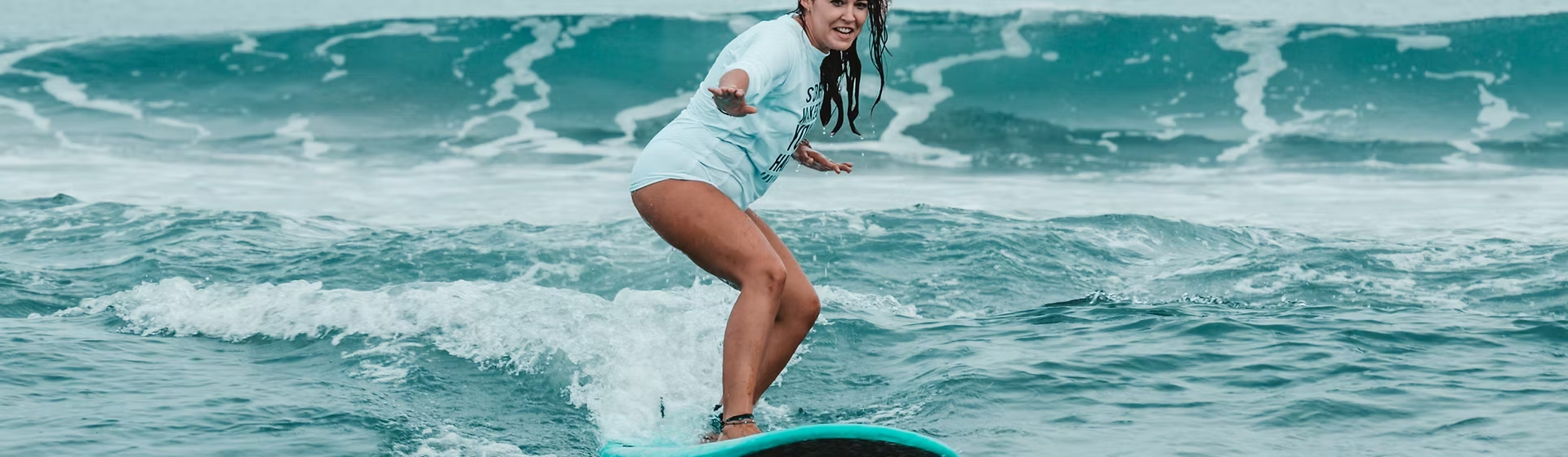
Most beginners stand on a wave during their first or second session, typically within the whitewash. Standing and riding unbroken "green" waves takes longer, usually 3-5 days of consistent practice. By week's end, most camp graduates can paddle out, catch waves, and ride to shore independently.
Quality surf camps for beginners provide everything: soft-top surfboards designed for stability, wetsuits appropriate for water temperature, rash guards for sun protection, and sometimes reef booties. Boards are typically 8-9 feet long, wide, and buoyant. You just need swimwear and sunscreen.
Absolutely. Beginner surf camps welcome adults of all ages. Many first-time surfers are in their 30s, 40s, and beyond. Surfing is adaptable to different fitness levels and body types. The oldest beginner many camps have taught was in their 70s. It's never too late to start.
Not necessary. Beginner surf camps assume zero experience and start from the fundamentals. Arriving with a few lessons might accelerate early progression slightly, but camps are designed to take complete beginners to competent surfers within a week.
Quality camps choose locations with consistent waves and have backup beaches for different conditions. Completely flat spells are rare at established surf destinations. If conditions do go flat, camps typically offer additional theory sessions, yoga, or excursions, and extend surf lessons when waves return.
Browse our full directory with all filters available or explore by destination.
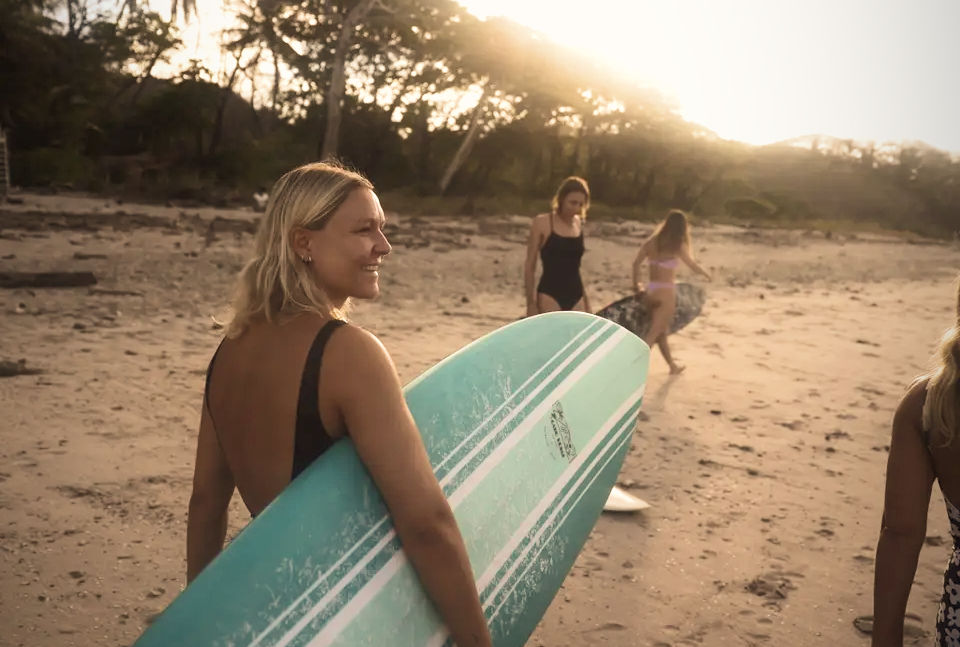
The best programs break surfing into manageable steps: ocean safety, paddling, pop-up mechanics, wave selection, then putting it together. Rushing any stage creates bad habits that are hard to fix later.
Beginner surf camps operate worldwide, but some destinations offer ideal learning conditions:
Portugal dominates the European beginner market. The Ericeira and Peniche coastlines offer numerous sandy beaches with waves suited to learners. Easy access from European airports and affordable pricing make it the top choice for first-time surfers. Morocco provides warm water, consistent waves, and budget-friendly camps in Taghazout and Tamraght.
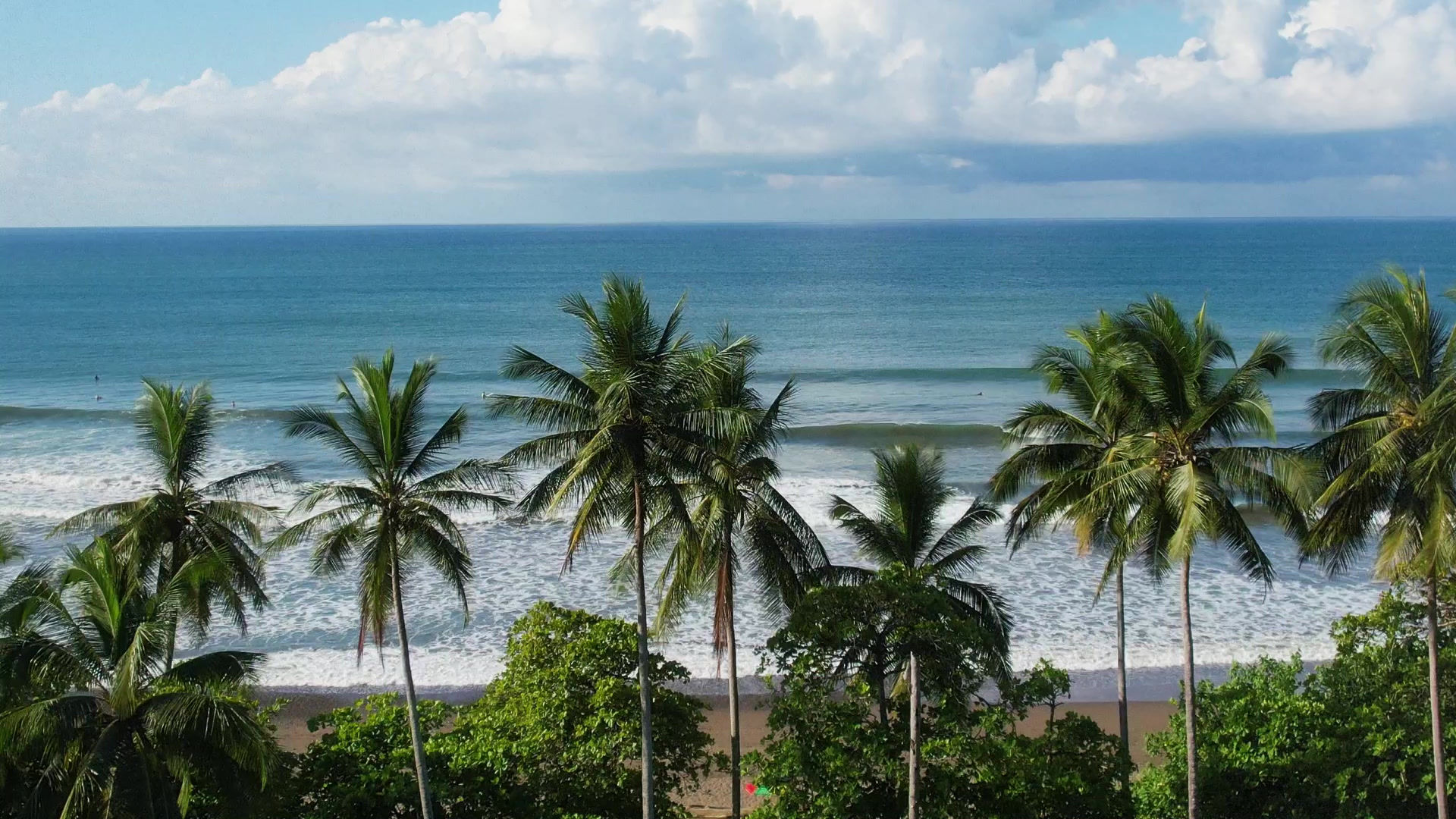
Costa Rica combines beginner-friendly waves with tropical adventure. Santa Teresa and Nosara feature gentle beach breaks perfect for learning. Warm water year-round means no wetsuit required, one less thing to worry about.
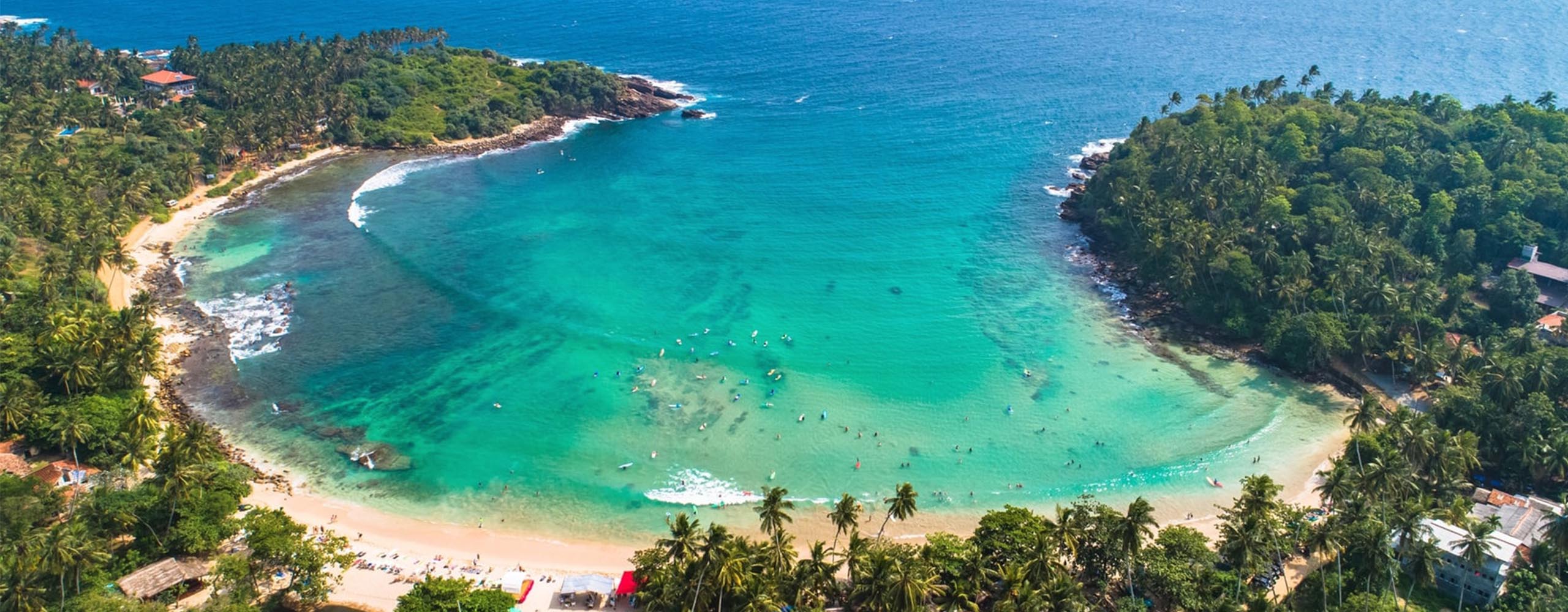
Sri Lanka offers uncrowded lineups and patient local instructors at affordable rates. Weligama Bay is particularly famous for its beginner-friendly conditions. Indonesia, especially Bali's south coast, provides numerous beginner surf camps with professional instruction.
A typical week at a beginner surf camp follows a proven progression:
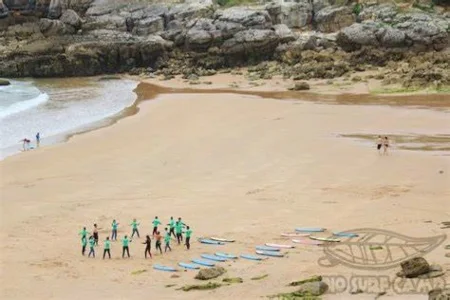
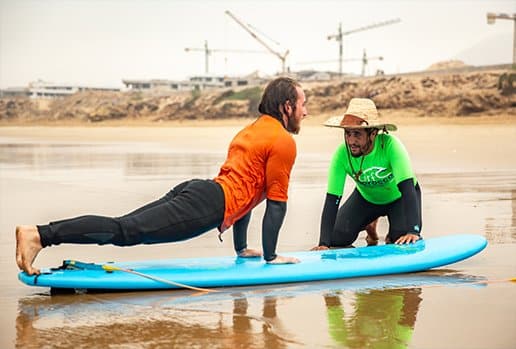
You'll start on the beach practicing the pop-up until it becomes automatic. Theory sessions cover ocean safety, wave patterns, and surf etiquette. First water sessions focus on paddling technique and getting comfortable in the whitewash (broken waves near shore).
With paddling and pop-up basics established, you'll work on timing and wave selection. Most beginners catch their first unbroken "green" wave during this phase. Video analysis helps identify areas for improvement.
The final days focus on consistency. You'll paddle out further, select your own waves, and work on basic turning. By week's end, most beginner camp graduates can catch and ride waves independently.
Most beginner surf camps offer comprehensive packages. Typical inclusions:
Some camps add photography packages, massage treatments, and cultural excursions.
Consider these factors when selecting your surf camp for beginners:
One week is the minimum for meaningful progression. Two weeks allows you to consolidate skills and move into intermediate territory. Weekend courses introduce surfing but don't build lasting ability.
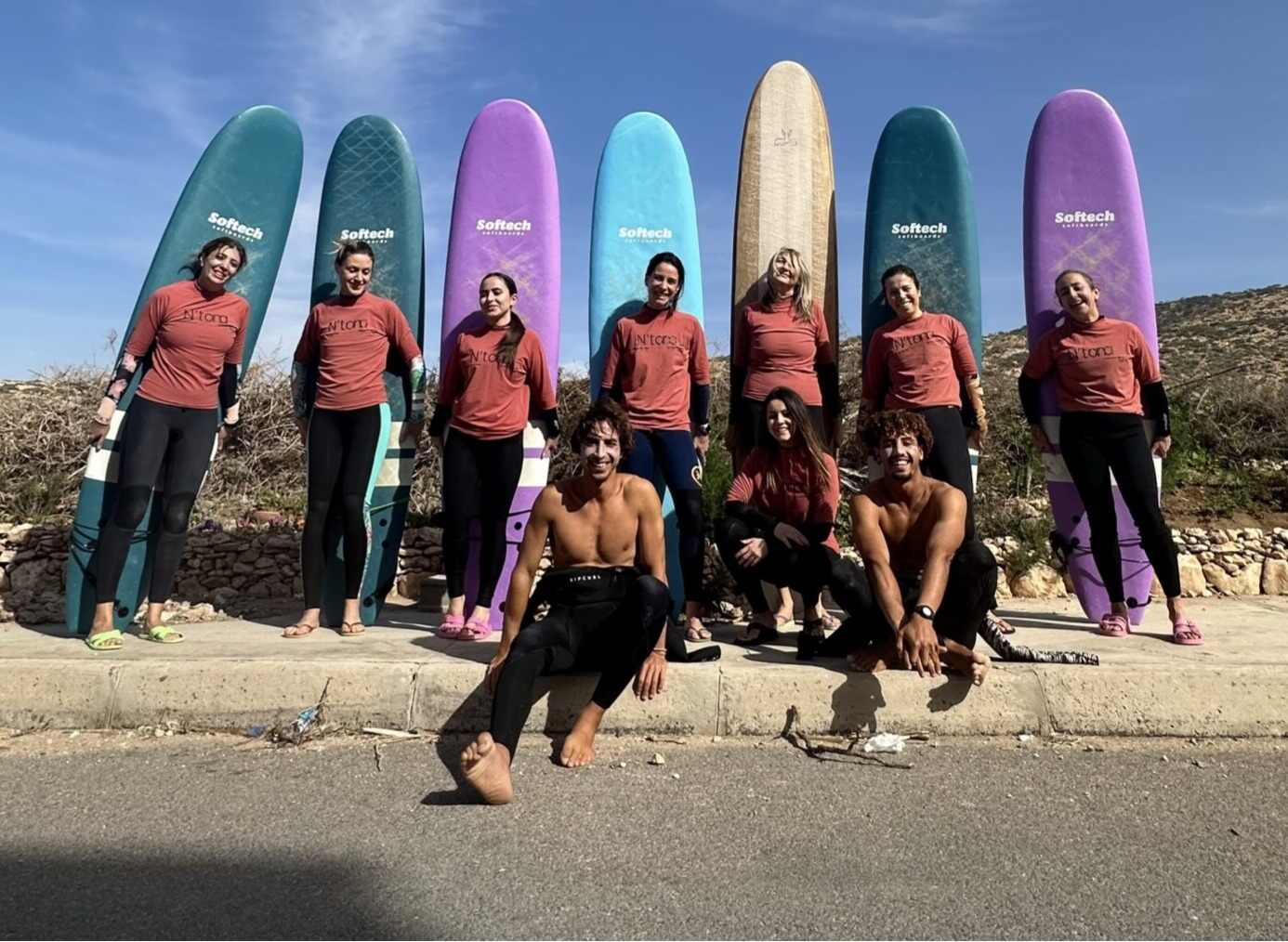
Some camps mix all levels; others run beginner-only weeks. Dedicated beginner surf camps mean you won't feel left behind while advanced surfers paddle to distant breaks. Women-only camps offer another option for those preferring female-focused environments.
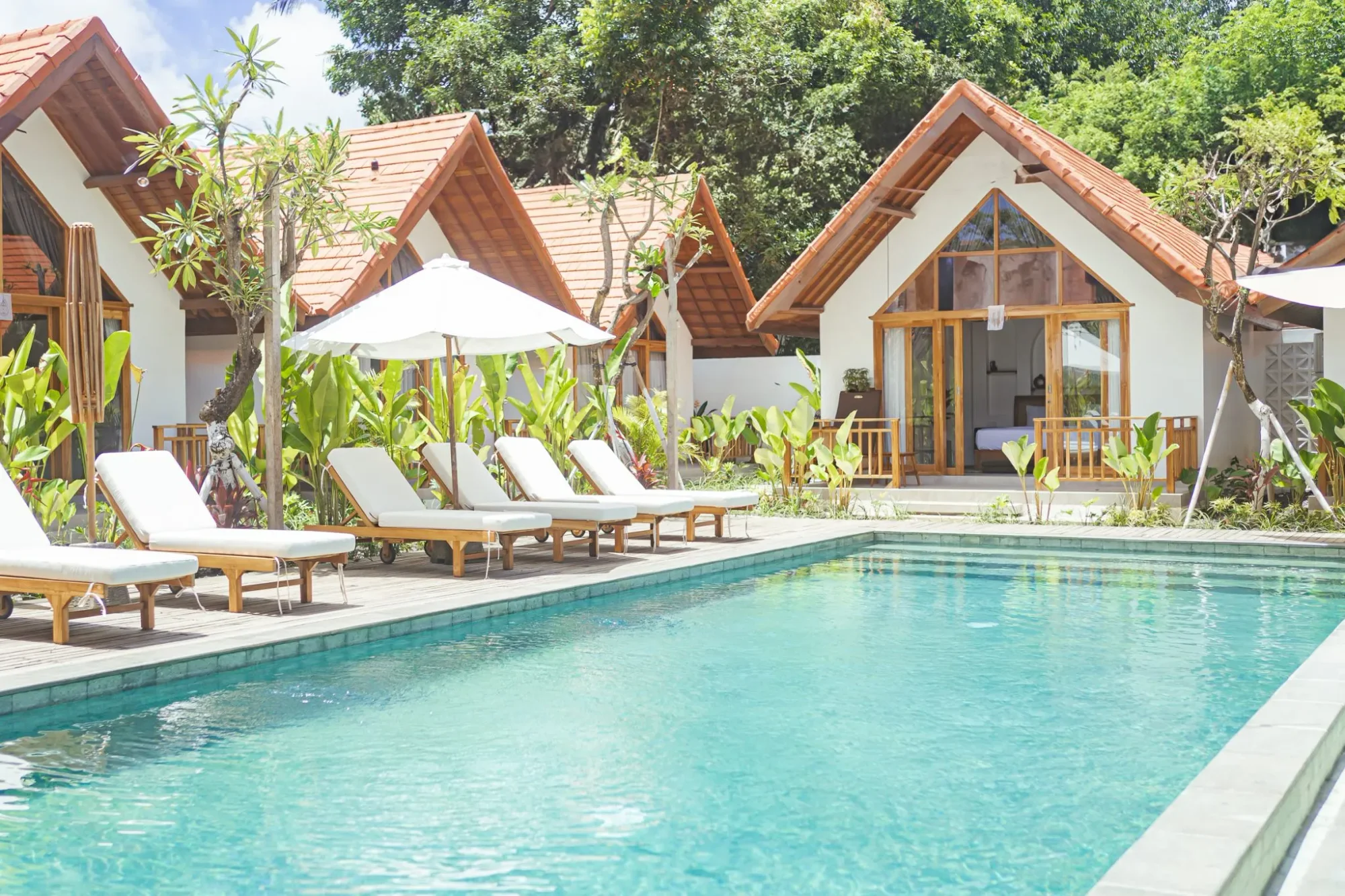
Beginner surf camps range from budget hostels to luxury resorts. Price doesn't always correlate with instruction quality. Read reviews focusing on teaching, not just accommodation.
Research the best time for your chosen destination. Shoulder seasons often offer smaller crowds and waves better suited to beginners, plus lower prices.
Surf camps for beginners help you avoid these typical errors:
Quality instruction addresses these issues before they become habits.
Surfing has inherent risks, but beginner surf camps minimize them through beach selection, equipment choice, and supervision. Sandy beaches, soft boards, and shallow whitewash create a safe learning environment. Instructors are trained in water safety and first aid. Following their guidance keeps risk low.