Sri Lanka
Best Time to Surf
May to Sep
Wave Types
Skill Levels
Surfing East Coast (Arugam Bay), Sri Lanka
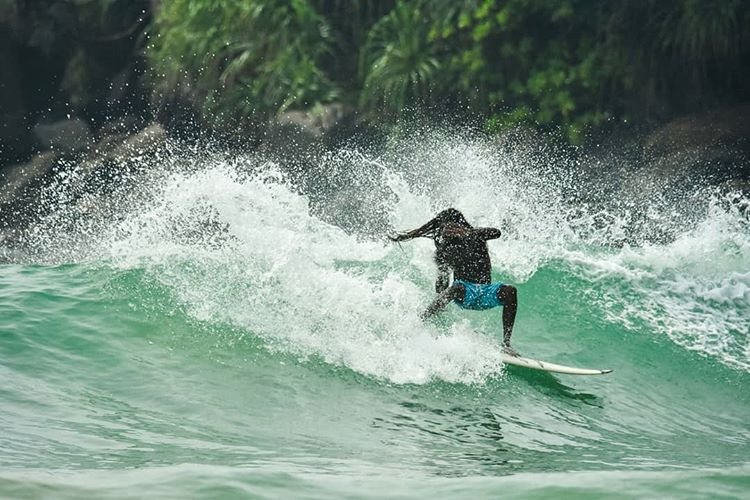
Sri Lanka's legendary east coast is home to Arugam Bay, one of the world's top surf destinations. Known for its consistent right-hand point breaks and relaxed atmosphere during the April-October season, this destination is perfect for intermediate surfers looking to progress with long rides up to 500 meters. While not ideal for beginners or non-surfers, those seeking quality waves and authentic surf culture will find exactly what they're looking for.
Surf Culture in East Coast (Arugam Bay), Sri Lanka
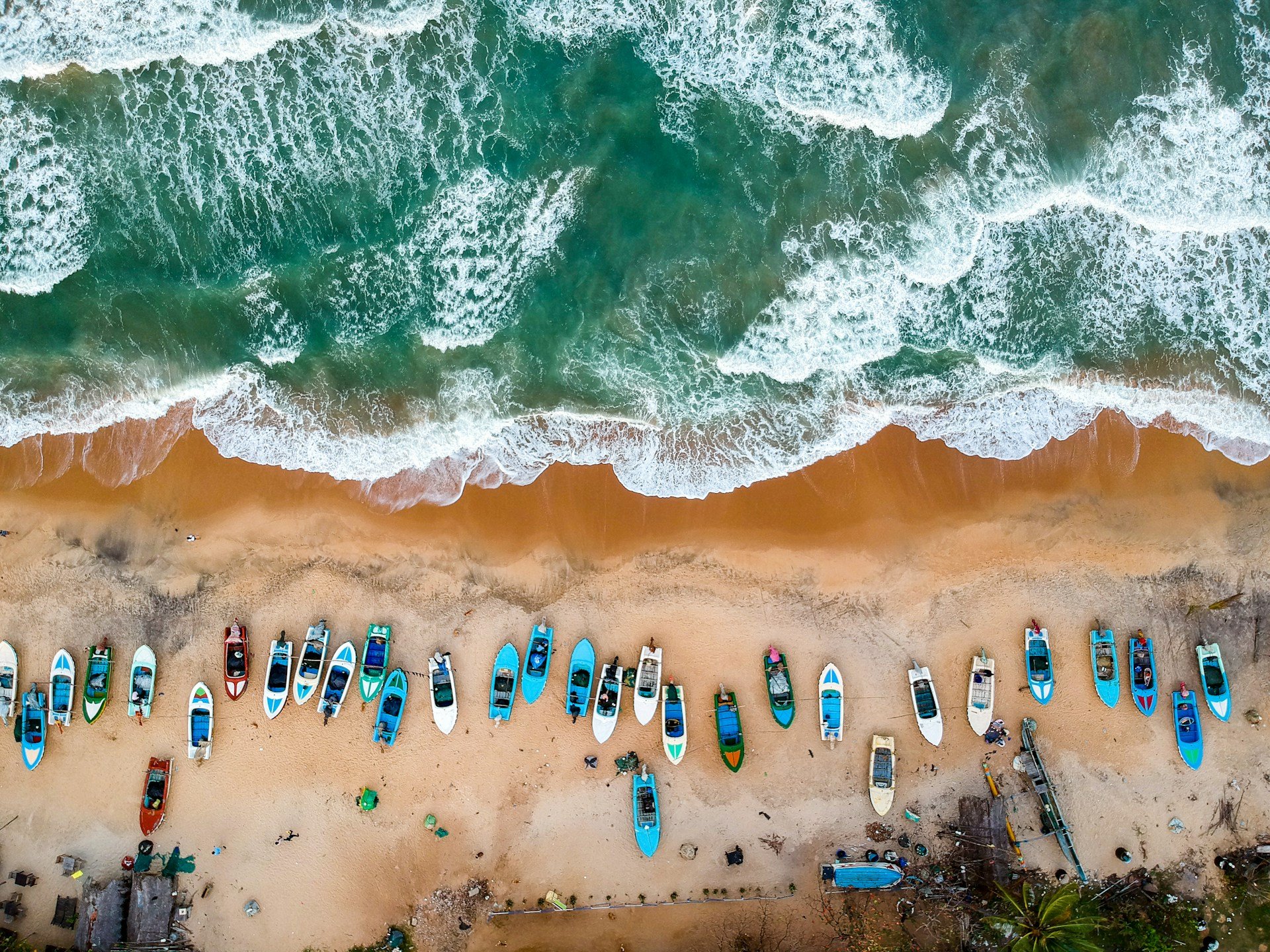
Arugam Bay is raw, undeveloped, and surf-focused. No luxury resorts, no fancy beach clubs, just waves and a simple village life.
The landscape:
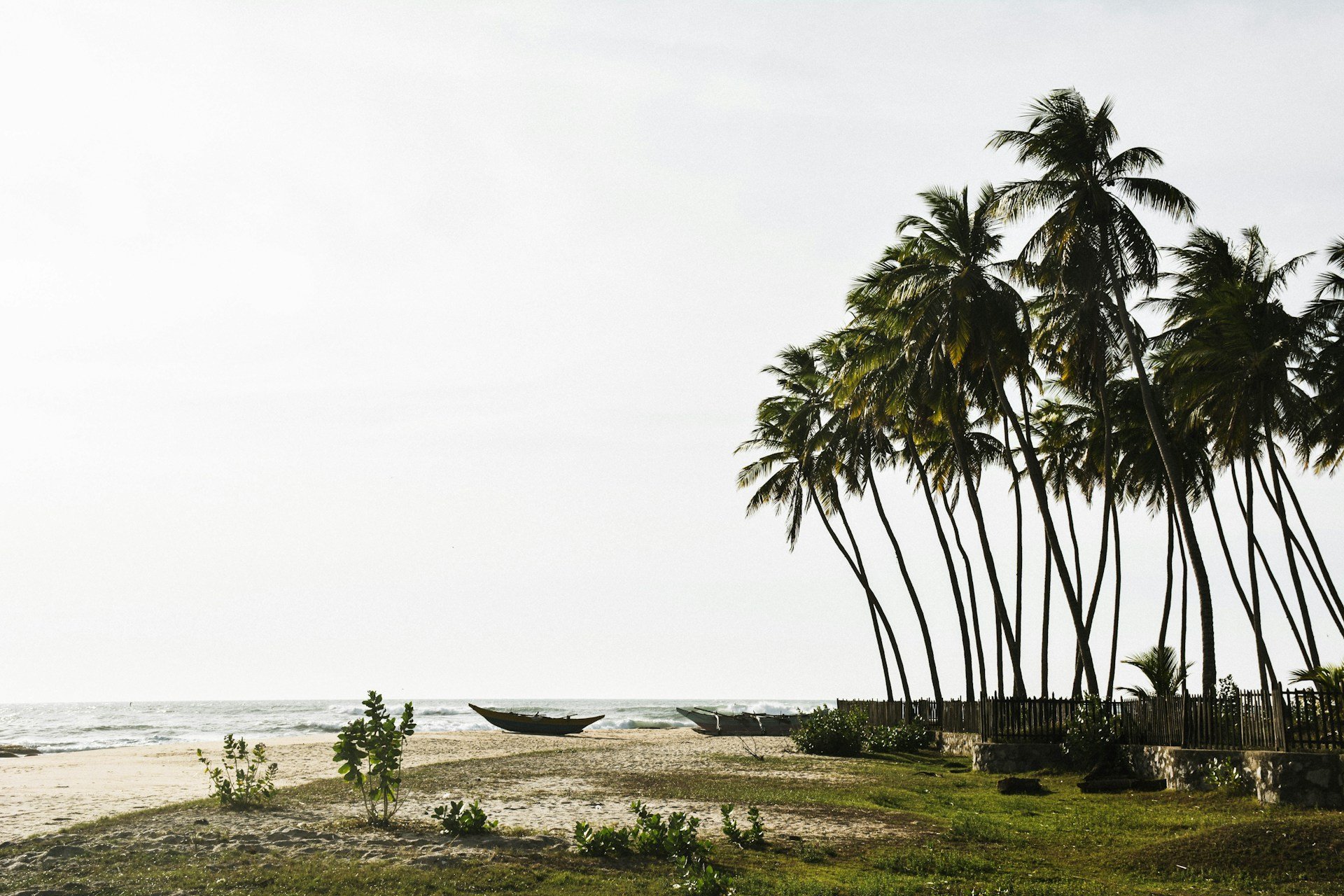
- Wild elephants roam freely (175 people killed in Sri Lanka by elephants in 2024)
- Peacocks, buffaloes, and stunning rice field countryside
- Dramatic coastline with no development for miles
The surf scene:
- Local surfers are skilled, friendly, and know the lineups well
- International crowd ranges from backpackers to dedicated surf travelers
- Lineup etiquette matters: don't paddle for waves where someone is riding
The town:
- Simple cafes serving Rice & Curry (skip the Western food)
- Limited nightlife (overpriced cocktails in plastic cups)
- Digital nomads beware: finding AC and reliable WiFi is challenging
- Prices are 3x higher than nearby Pottuvil
This is a destination for surfers who prioritize waves over comfort. If you're looking for yoga retreats, cultural activities, or non-surf entertainment, you'll be disappointed.
Surfing in East Coast (Arugam Bay)
Overview
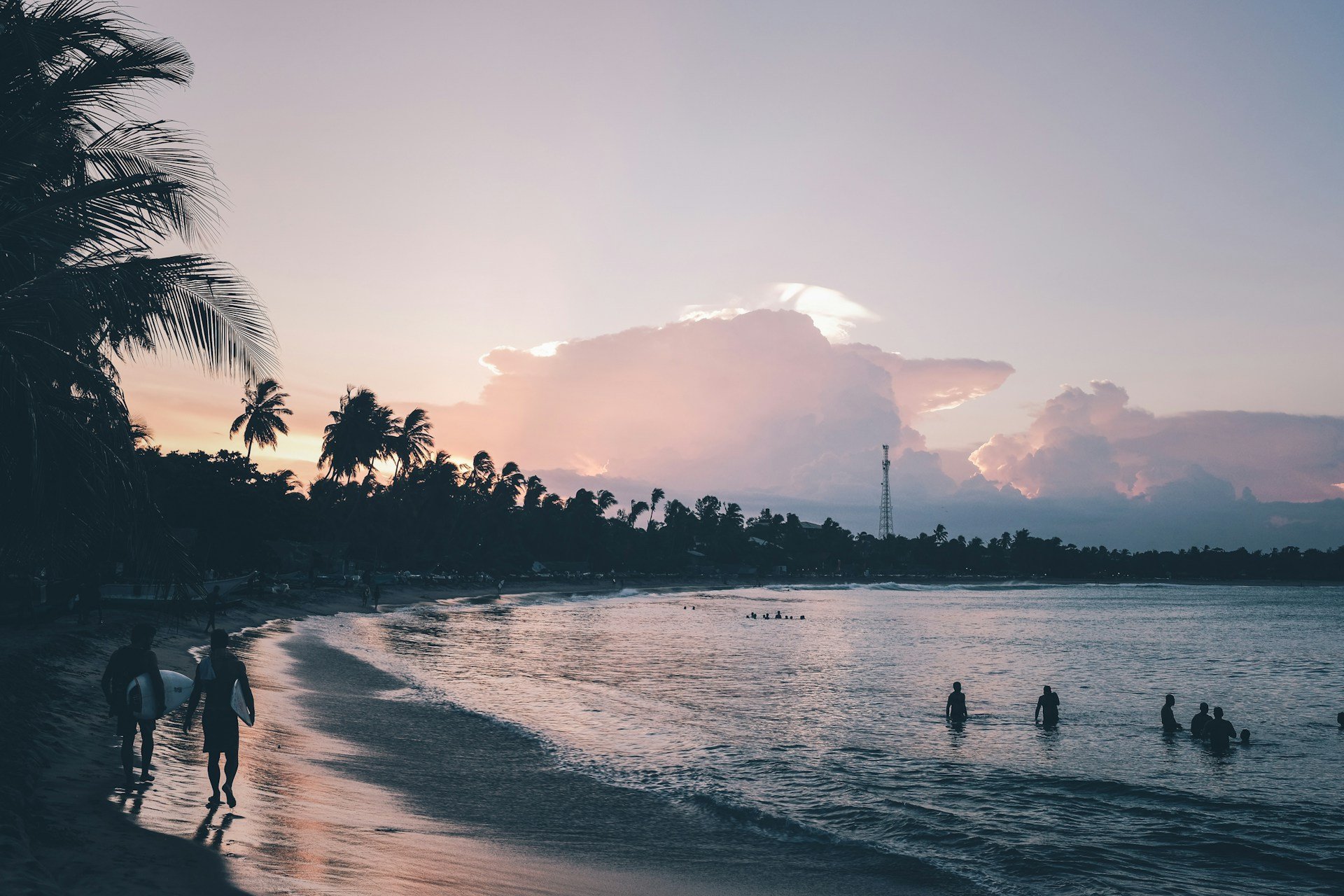
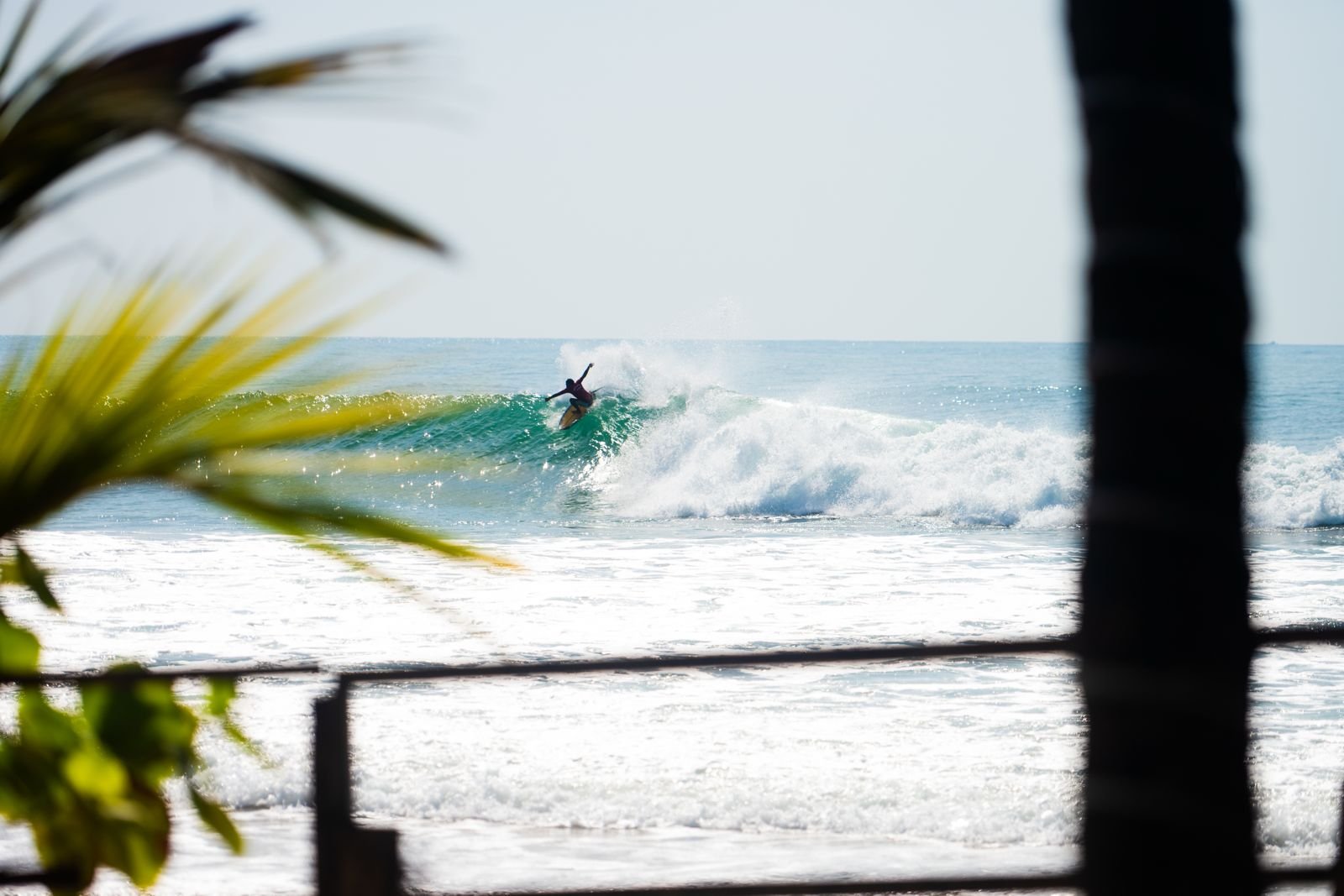
Arugam Bay and the East Coast offer a pure surf experience - no frills, just waves. The main attraction is the legendary right-hand point breaks, with Main Point being the crown jewel offering rides of up to 500 meters when conditions align.
Who It's For
This destination shines for intermediate surfers (lower to advanced intermediate) who want to:
- Progress their skills on forgiving but quality waves
- Experience long point break rides
- Immerse themselves in authentic surf culture
- Escape the commercialized surf destinations
What to Expect
The area is wild and relatively undeveloped compared to other surf destinations. You'll share the coastline with wild elephants (be careful!), see peacocks, buffaloes, and stunning countryside with endless rice fields. The town itself is simple - limited nightlife, basic cafes, and a focus on surfing above all else.
Surf Season
May to October is prime time, coinciding with monsoon season in the south and west of Sri Lanka. Winds become offshore, creating clean conditions. Shoulder seasons can offer quality waves with fewer crowds.
The Crowd Factor
Arugam Bay can get very crowded during peak season. The limited number of quality peaks means everyone converges on the same spots. Learning proper lineup etiquette, positioning, and patience is essential. Consider visiting during shoulder seasons or slower years to experience a more relaxed vibe.
Best Surf Spots in East Coast (Arugam Bay), Sri Lanka
Main Point
Intermediate to advancedThe main event in Arugam Bay. This right-hand point break can run for 500+ meters on a good day, all the way past Baby Point. It has power without being too challenging on normal days, but gets big and heavy when the swell picks up. Multiple sections offer variation in speed and power. The main peak is where the best surfers sit, timing waves perfectly. Sitting on the shoulder is easier but you'll get crumbs. Entry and exit are tricky with slippery rocks under the white wash.
Baby Point
Lower intermediateThe inside section of Main Point, where waves finish their long run. Often called a beginner spot, but that's misleading. The bottom is rocks and the waves break in shallow water, making wipeouts risky. Crowded with surf schools and longboarders. Better for lower intermediates who can handle the conditions than true beginners.
Elephant Rock
Beginner to intermediateTen minutes south of Arugam Bay, this right-hand point break is less powerful and more forgiving than Main Point. A favorite for surf coaches and lower intermediate surfers looking for longer, mellower rides without the Main Point crowds. Beautiful setting with great views from the rocks. Do NOT swim in the nearby river (crocodiles) and watch for wild elephants on the road, especially at sunrise and sunset.
Peanut Farm
All levels (inside) / Advanced (outside)Further south of Elephant Rock, this spot has two distinct peaks. The one in front of the restaurant is mellow, low power, perfect for longboards and beginners. The back section behind the rocks is another story: steep, fast takeoff with an underwater rock sitting mid-shoulder that demands respect. Miss your takeoff and you're pushed toward the rocks on the beach. Sometimes small translucent spikes float in the water (seasonal, not dangerous but unpleasant).
Lighthouse
Intermediate to advancedA 45-minute tuk-tuk ride north of Arugam Bay, near a crumbled old lighthouse in Komari. Two peaks: the one by the restaurant is mellower, shorter and less clean than Main Point, with a scary takeoff close to rocks and an underwater rock to dodge. Worth spending a few days at Lighthouse Beach Hut: no wifi, barely electricity, just waves, coconuts and peace. Goofy footers might catch a rare left beach break in the middle of the bay on bigger sets.
Okanda
Intermediate to advancedDeep in Kumana National Park, 2-3 hours south of Arugam Bay, lies this lesser-known right-hand point break. The wave is 50-150 meters long, steep and fast, with occasional barrels. More technical and powerful than Main Point, suited for higher intermediate surfers and above. Not consistent, so check conditions before making the trek. Consider spending a few days to escape the Arugam Bay crowds.
Pottuvil Point
IntermediateNorth of Arugam Bay, Pottuvil Point can produce Sri Lanka's longest rideable wave at 500+ meters when conditions align. The wave breaks over granite boulders and sand. However, it's notoriously inconsistent and only works on larger swells. Worth checking if you're heading to Lighthouse anyway, but don't count on it.
East Coast (Arugam Bay) Surf Conditions
Weather
The east coast operates on an inverse monsoon pattern to western Sri Lanka, making it your dry season escape when the south gets wet.
Prime Season (May-October):
- Southwest monsoon brings offshore winds to the east coast
- Hot and dry conditions with temperatures around 30-35°C
- Peak months: July through September for consistent swell and formed sandbars
- Humidity remains high but manageable
Shoulder Seasons (April, October-November):
- Transitional weather with occasional rain
- Fewer crowds, quality waves still possible
- Great time to score empty lineups
Off-Season (November-April):
- Northeast monsoon brings onshore winds and rain
- Most surf camps close for the season
- Head to the South Coast instead
Water Conditions
Water temperatures stay warm at around 28°C year-round, so no wetsuit needed.
Essential gear:
- Reef boots: Useful for rocky entry/exit at Main Point (slippery rocks under the whitewater)
- Rashguard: Sun protection for long sessions
- First aid kit: Antiseptic for any reef cuts
Hazards to respect:
- Slippery rocks at Main Point entry/exit (boards get broken here regularly)
- Strong currents at Main Point requiring paddle fitness
- Crocodiles in rivers and lagoons (never swim in freshwater)
- No urchins at the main surf spots unlike the south coast
How to Get to East Coast (Arugam Bay), Sri Lanka
Getting to Arugam Bay
Arugam Bay is at the opposite end of Sri Lanka from Colombo and isn't accessible by train, making it more challenging to reach than the south coast. Expect 8-15 hours of travel depending on your route.
Public Transport (Cheapest)
Three main routes combining train + bus:
- South Coast Route: Train from Colombo Fort to Matara, then express bus to Pottuvil
- Central Route (Recommended): Train from Colombo Fort to Ella or Badulla via the famous scenic railway, then bus to Pottuvil. The Colombo-Badulla train through Ella is spectacular, even if it's become touristy
- North Route: Train to Batticaloa, then bus to Pottuvil (3 hours). More complicated with train changes - not recommended
Book train tickets at: railway.gov.lk
Private Driver (Fastest but Expensive)
Hire a driver or share a car - still 6-7 hours from Colombo. Costs around $70 per person. Fastest and easiest option but most expensive.
Tuk-Tuk or Motorbike (Adventurous)
Rent a tuk-tuk or motorbike in Colombo and drive all the way. Tuk-tuks are fun, safer than bikes, easier for luggage and boards, and cost-efficient for daily surf trips. However, Sri Lankan roads are notoriously dangerous - be careful.
Getting Around Arugam Bay
Finding a scooter with a proper surf rack is challenging because the "tuk-tuk mafia" fights competition. Racks get stolen at surf spots. The only reliable place we found for bikes with solid, theft-proof racks is a small convenience store by Hideway - the owner isn't very welcoming but can arrange bikes.
Tuk-tuks to spots like Lighthouse cost around LKR 7000 round trip.
Surf Camps in East Coast (Arugam Bay)
Surf Camps
View all →
PONO Surf Camp
Wanderlust Surf Camp
Ocean Surf Arugam Bay
Contact for packages

Banana Surf Camp

Surf Soul Camp Arugam Bay
Safa Surf & Yoga
Surf & Yoga Arugam Bay
More Surf Regions in Sri Lanka
- South Coast – Weligama, Mirissa, Hiriketiya: beginner-friendly, peak season November to March