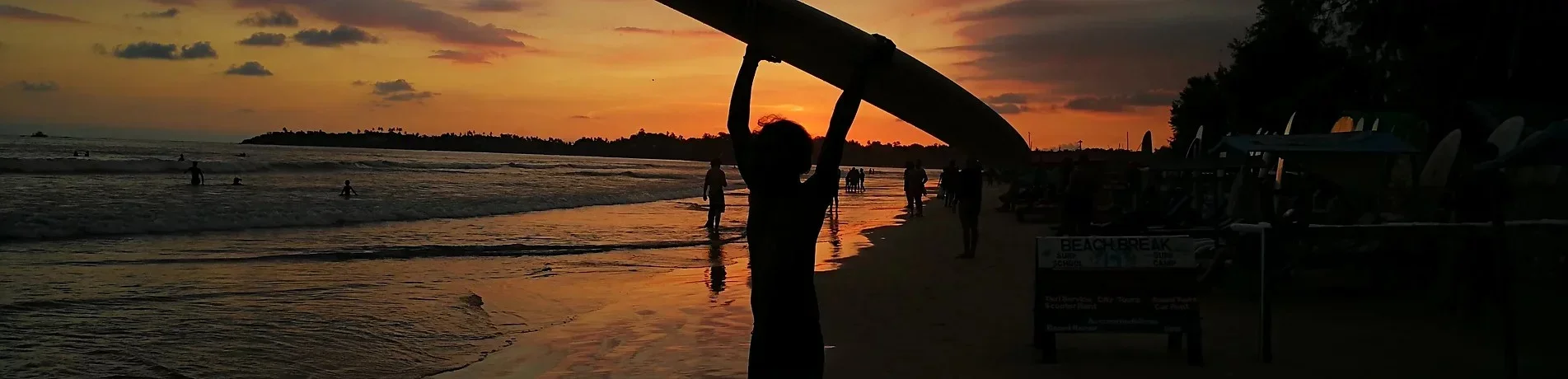
🇱🇰Sri Lanka
Surf Destinations & Guide
Sri Lanka has quietly become one of Asia's most rewarding surf destinations. This teardrop-shaped island offers a rare advantage: year-round surfing across two distinct coastlines. When the southwest monsoon hits from May to September, the east coast's Arugam Bay lights up with world-class right-hand points. When the northeast monsoon arrives from November to April, the south coast from Weligama to Hikkaduwa delivers mellow beach breaks and playful reefs.
Unlike the crowded lineups of Bali or the remote boat trips of the Maldives, Sri Lanka serves up accessible, uncrowded waves alongside incredible cultural experiences. Ancient Buddhist temples, wild elephant sightings, lush tea plantations, and some of Asia's best food await between sessions.
The surf scene here feels genuine and uncommercialised. Local surf camps offer excellent value with warm hospitality, and the traveling surf community tends toward independent souls seeking authentic adventure. With warm water year-round (27-29°C), no wetsuit needed, and affordable living costs, Sri Lanka delivers serious bang for your surf-trip buck.
When to Surf in Sri Lanka?
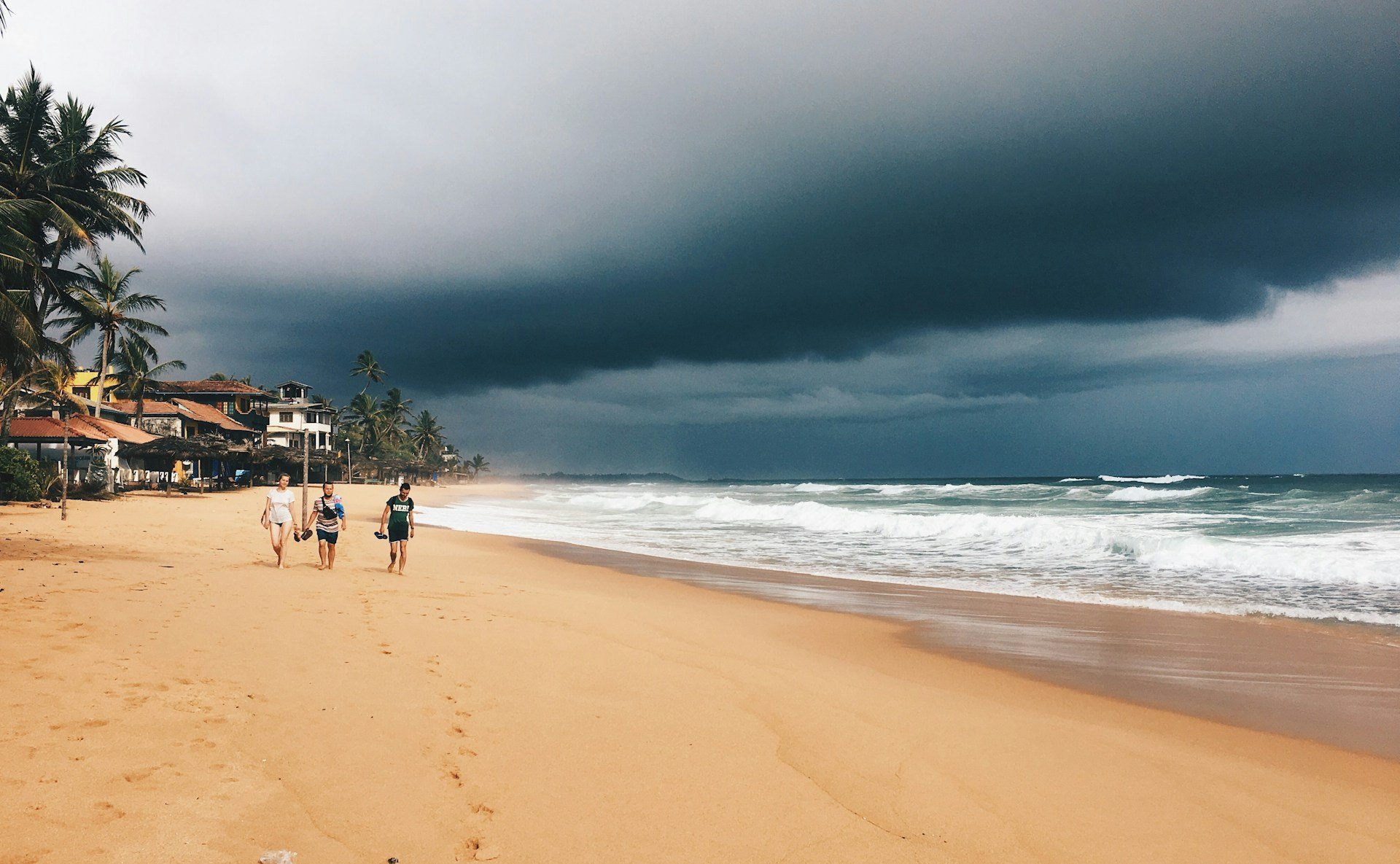
May-Sep: Southwest Monsoon Season
When the southwest monsoon sweeps across the island from May to September, head east. Arugam Bay transforms into a surf mecca with consistent swells wrapping into its famous right-hand points. Main Point delivers long, peeling rides that can last 200+ meters on good days. The season builds through May, peaks in June through August, then tapers in September.
This is intermediate-to-advanced territory. The points break over sand and reef, with powerful takeoffs and fast walls. Beginners can find shelter at Baby Point and Peanut Farm, but the main breaks demand experience. Expect a relaxed vibe, international surf crowd, and the best conditions of the year for chasing quality waves.
Conditions: Water 27-29°C, boardshorts only. Offshore winds common in mornings. Crowds moderate at Main Point, lighter at outer breaks.
Nov-Mar: Northeast Monsoon Season
November through March brings clean swells and offshore winds to Sri Lanka's south and west coasts. This is prime time for the beginner-friendly beaches around Weligama and Mirissa, as well as the intermediate breaks at Hiriketiya and Hikkaduwa.
Weligama Bay is the go-to for learning to surf: a wide, sandy-bottom beach with gentle, forgiving waves and plenty of surf schools. As you progress, Hiriketiya's protected bay offers more shape, while Hikkaduwa's reefs provide punchy peaks for intermediates. The crowds thin as you move away from the main tourist hubs, and the overall vibe stays mellow and welcoming.
Conditions: Water 27-29°C year-round. No wetsuit needed, rash vest for sun protection. Best winds early morning before onshore builds.
Apr-Oct: Shoulder Months
April and October are transitional months when both coastlines can see rideable surf. Conditions are unpredictable but these windows occasionally offer uncrowded sessions on either coast. April tends to favor the south with lingering swell before the monsoon switch. October can see early east coast swells while the south coast starts waking up.
These months suit flexible travelers who can chase conditions. Check forecasts and be ready to move. Lower tourist numbers mean better deals on accommodation.
Conditions: Variable winds. Watch forecasts closely. Can score empty lineups if timing is right.
Surf Regions in Sri Lanka
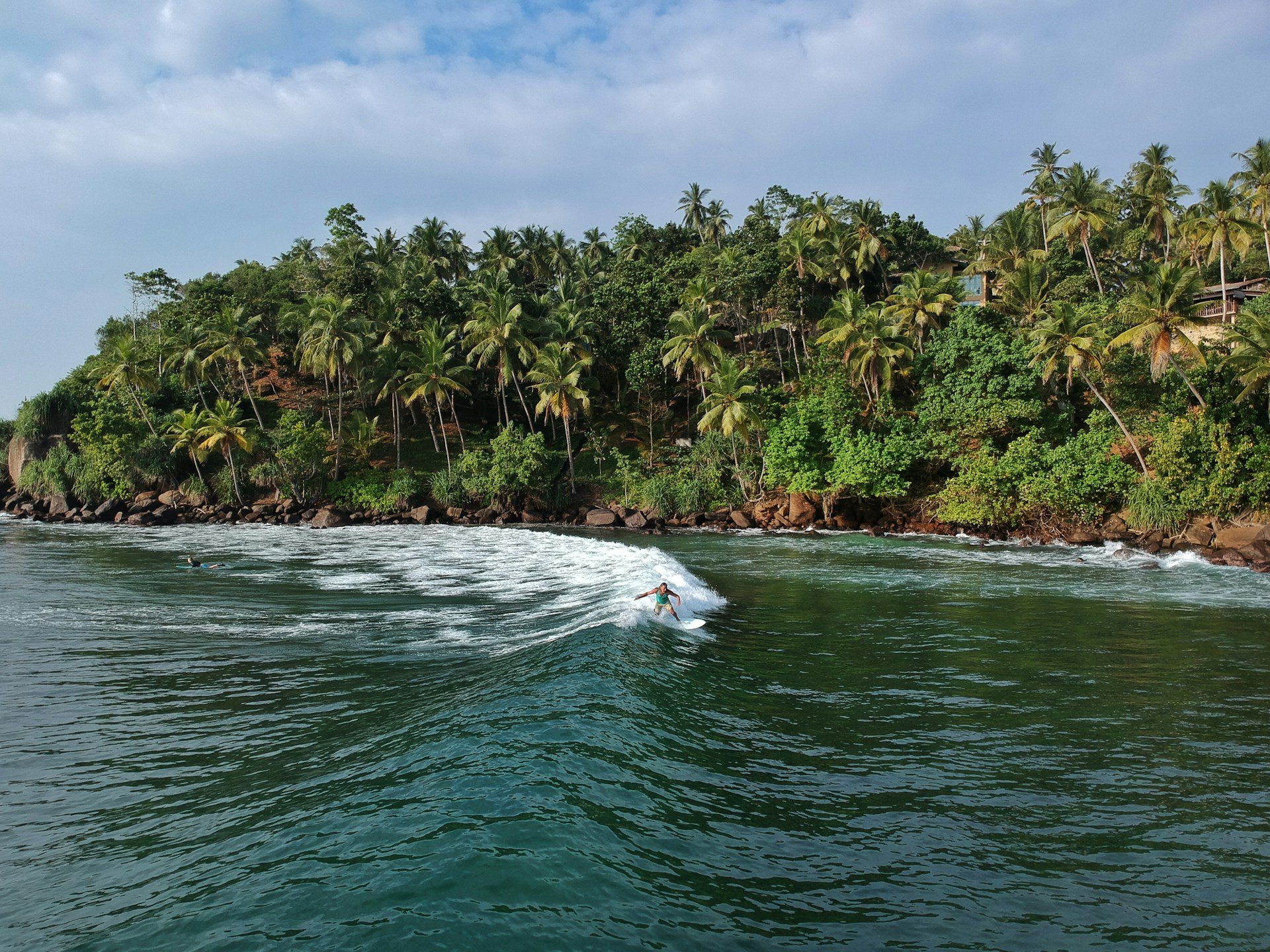
Sri Lanka's surf breaks neatly into two main regions, each with its own season, vibe, and wave character.
South Coast Surf Guide (21 camps)
The south coast stretches from Hikkaduwa down through Mirissa and around to Hiriketiya. This is where most beginners learn to surf in Sri Lanka, thanks to the mellow beach breaks of Weligama Bay. The infrastructure is more developed here with easy access to surf camps, restaurants, and accommodation.
Key spots include Weligama (perfect for beginners), Mirissa (fun beach break near whale watching), Hiriketiya (sheltered bay with intermediate-friendly waves), and Kabalana (punchy reef break). The south coast suits surfers of all levels and offers the most variety.
East Coast (Arugam Bay) Surf Guide (8 camps)
Arugam Bay on the east coast is Sri Lanka's headline act. This small fishing village becomes a surf town each season when consistent swells light up a string of quality right-hand points. Main Point, Whiskey Point, Peanut Farm, and Elephant Rock offer waves for intermediates to advanced surfers.
The east coast is more remote and less developed, which is part of its charm. The vibe is backpacker-friendly with simple guesthouses, beach cafes, and a tight-knit surf community. Come here for serious waves and an off-the-beaten-path experience.
🏄 Best Surf Spots in Sri Lanka
From world-class reef breaks to beginner-friendly beach breaks, Sri Lanka offers 12 documented surf spots across its 2 regions.
Main Point
Intermediate to advancedThe main event in Arugam Bay. This right-hand point break can run for 500+ meters on a good day, all the way past Baby Point. It has power without being too challenging on normal days, but gets big and heavy when the swell picks up. Multiple sections offer variation in speed and power. The main peak is where the best surfers sit, timing waves perfectly. Sitting on the shoulder is easier but you'll get crumbs. Entry and exit are tricky with slippery rocks under the white wash.
Baby Point
Lower intermediateThe inside section of Main Point, where waves finish their long run. Often called a beginner spot, but that's misleading. The bottom is rocks and the waves break in shallow water, making wipeouts risky. Crowded with surf schools and longboarders. Better for lower intermediates who can handle the conditions than true beginners.
Elephant Rock
Beginner to intermediateTen minutes south of Arugam Bay, this right-hand point break is less powerful and more forgiving than Main Point. A favorite for surf coaches and lower intermediate surfers looking for longer, mellower rides without the Main Point crowds. Beautiful setting with great views from the rocks. Do NOT swim in the nearby river (crocodiles) and watch for wild elephants on the road, especially at sunrise and sunset.
Peanut Farm
All levels (inside) / Advanced (outside)Further south of Elephant Rock, this spot has two distinct peaks. The one in front of the restaurant is mellow, low power, perfect for longboards and beginners. The back section behind the rocks is another story: steep, fast takeoff with an underwater rock sitting mid-shoulder that demands respect. Miss your takeoff and you're pushed toward the rocks on the beach. Sometimes small translucent spikes float in the water (seasonal, not dangerous but unpleasant).
Lighthouse
Intermediate to advancedA 45-minute tuk-tuk ride north of Arugam Bay, near a crumbled old lighthouse in Komari. Two peaks: the one by the restaurant is mellower, shorter and less clean than Main Point, with a scary takeoff close to rocks and an underwater rock to dodge. Worth spending a few days at Lighthouse Beach Hut: no wifi, barely electricity, just waves, coconuts and peace. Goofy footers might catch a rare left beach break in the middle of the bay on bigger sets.
Okanda
Intermediate to advancedDeep in Kumana National Park, 2-3 hours south of Arugam Bay, lies this lesser-known right-hand point break. The wave is 50-150 meters long, steep and fast, with occasional barrels. More technical and powerful than Main Point, suited for higher intermediate surfers and above. Not consistent, so check conditions before making the trek. Consider spending a few days to escape the Arugam Bay crowds.
Pottuvil Point
IntermediateNorth of Arugam Bay, Pottuvil Point can produce Sri Lanka's longest rideable wave at 500+ meters when conditions align. The wave breaks over granite boulders and sand. However, it's notoriously inconsistent and only works on larger swells. Worth checking if you're heading to Lighthouse anyway, but don't count on it.
Weligama Bay
beginnerThe perfect beginner wave. This wide, sandy bay catches plenty of swell and delivers mellow, rolling waves ideal for first-timers. Surf schools line the beach, and the atmosphere is welcoming and relaxed.
+ 4 more surf spots across Sri Lanka
Is Sri Lanka Good for Beginner Surfers?
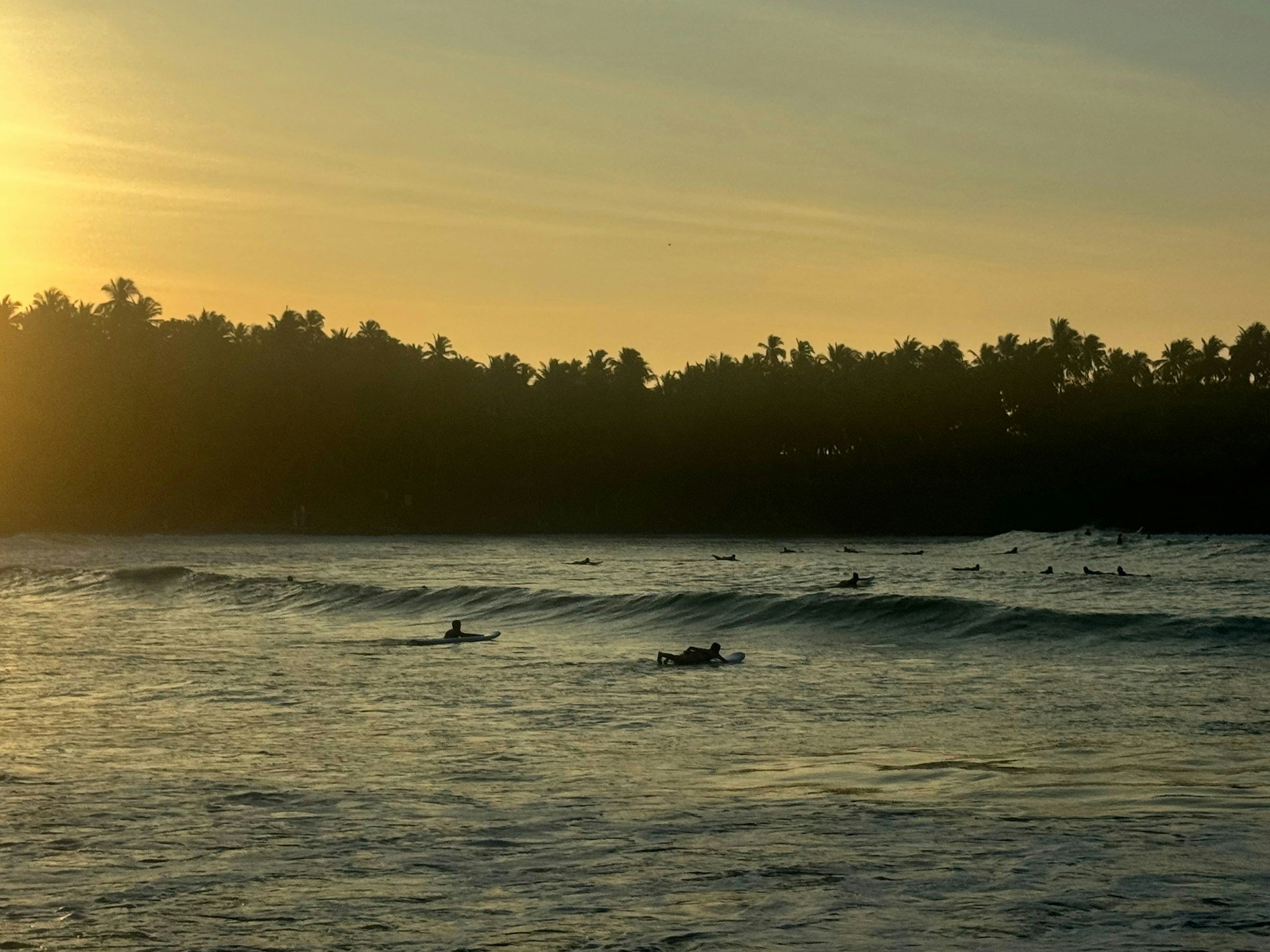
Sri Lanka is one of Asia's best destinations for learning to surf. The combination of warm water, sandy beaches, affordable surf camps, and patient local instructors creates an ideal environment for first-timers.
Where to Learn
Weligama Bay on the south coast is the epicenter of beginner surfing in Sri Lanka. The wide bay catches small, gentle waves that break slowly over a sandy bottom. Dozens of surf schools and camps line the beach, offering lessons from around €20-30 for two hours including board and instructor.
Mirissa and Unawatuna also offer beginner-friendly conditions, though with slightly more current and reef sections to be aware of. On the east coast, Elephant Rock and Baby Point near Arugam Bay provide mellower alternatives during the May-September season.
What to Expect
Most complete beginners can stand up and ride whitewater waves within their first session. Progression to catching green waves typically happens within a week of daily practice. The warm water (27-29°C) means you can surf for hours without getting cold, and the forgiving foam boards used by most schools make learning comfortable.
Best Time for Beginners
December through February offers the most consistent small waves on the south coast. Avoid March and April when swell can pick up. On the east coast, June and July can get powerful, so beginners should stick to the protected spots.
Sri Lanka Intermediate Surfer Guide
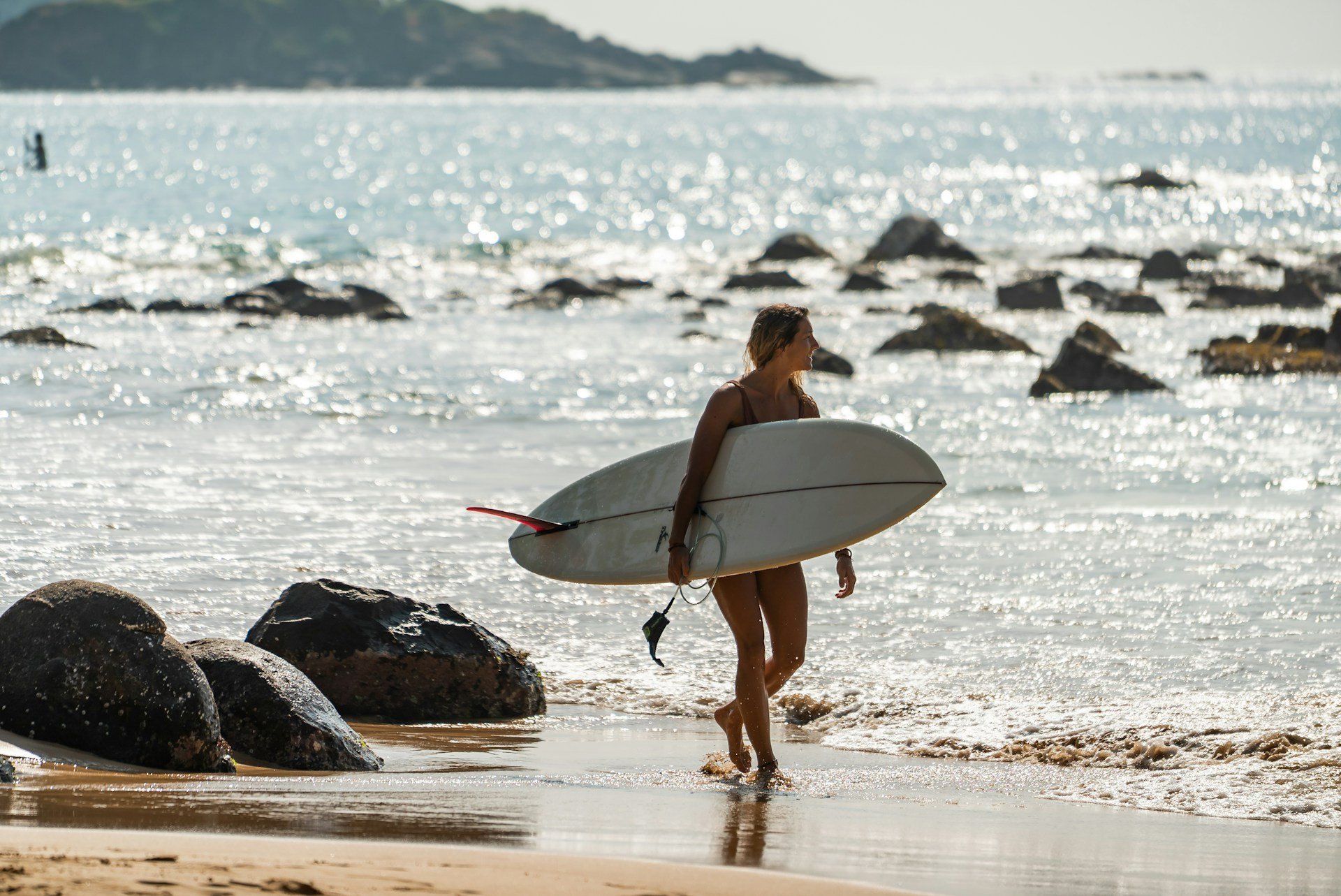
For intermediate surfers ready to push their surfing, Sri Lanka offers a natural progression path and some genuinely world-class waves.
South Coast Progression
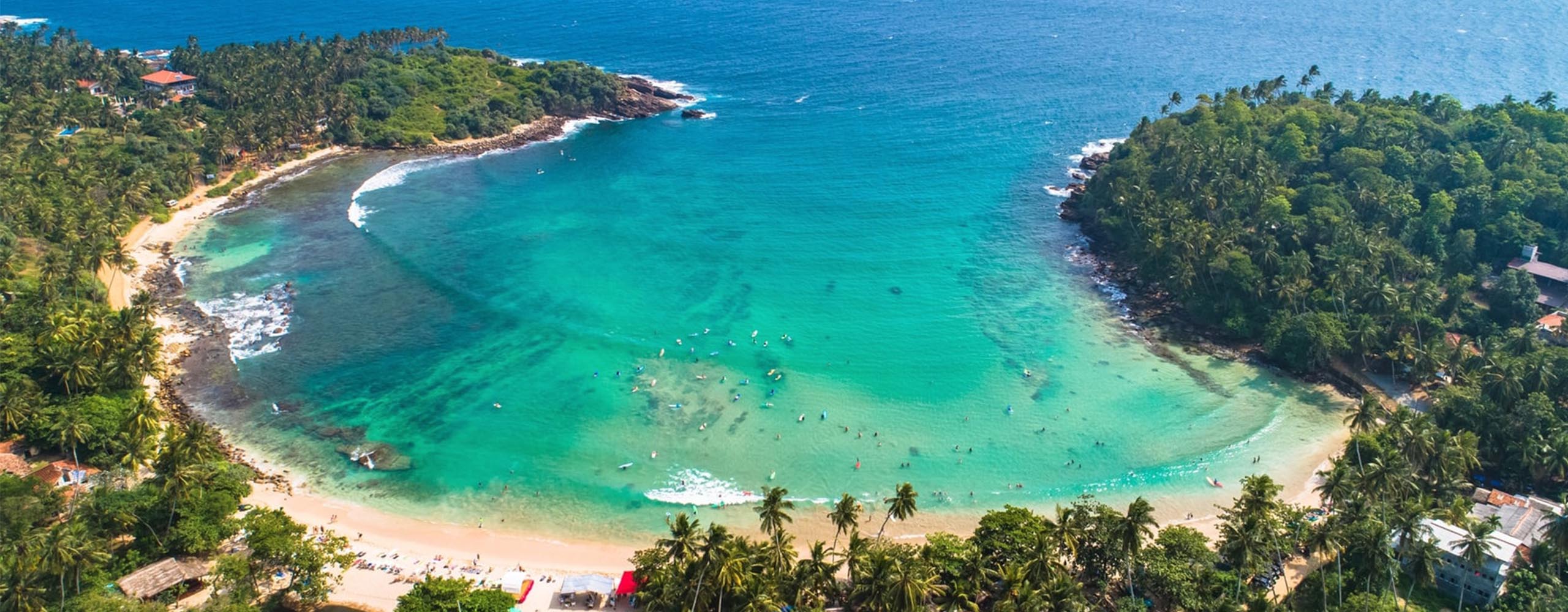
Once you've mastered Weligama's gentle waves, head to Hiriketiya. This horseshoe-shaped bay produces A-frame peaks that let you practice both lefts and rights. The waves are more powerful but still forgiving, breaking over a mix of sand and reef. Early mornings deliver the cleanest conditions.
Kabalana and Midigama offer the next step up with punchy reef breaks that demand better timing and positioning. These spots work best at low-to-mid tide and can get hollow on bigger swells.
East Coast Challenges
Arugam Bay's Main Point is where intermediate surfers come to level up. The long right-hand walls demand smooth, flowing surfing and reward those who can stay in the pocket. It's not an easy wave, but it's not as heavy as Indonesia's reefs. The paddle-out can be challenging on bigger days.
For intermediates not ready for Main Point, Peanut Farm offers shorter, more manageable rights. Elephant Rock provides a beach break alternative when the points are too crowded or powerful.
What You'll Need
Reef booties are recommended for the east coast points where sea urchins and sharp rocks are common. Bring a performance shortboard or a fun midlength. The waves here reward good rail work over radical maneuvers.
How Much Does a Surf Trip to Sri Lanka Cost?
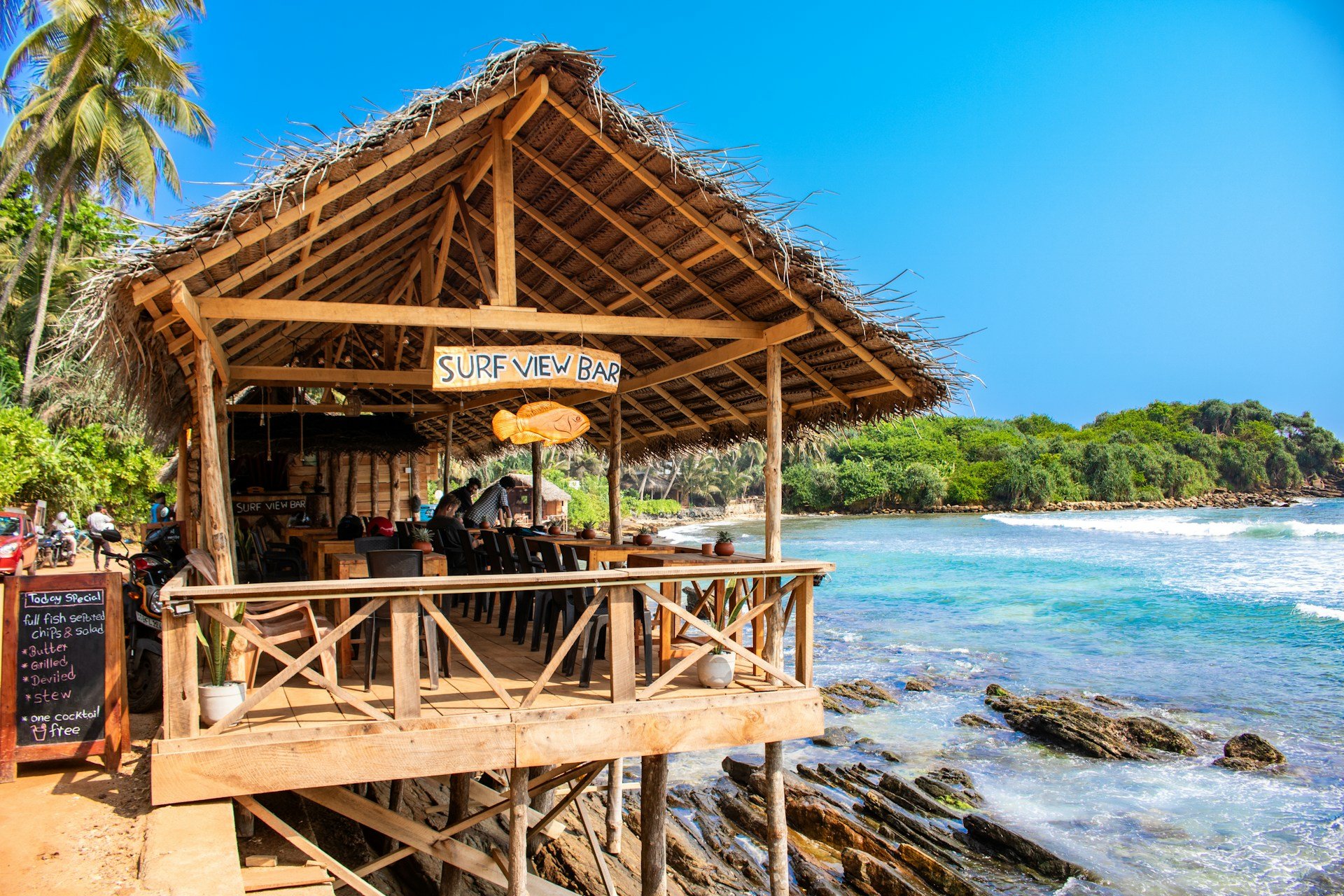
Sri Lanka remains one of Asia's most affordable surf destinations. Your budget can stretch significantly further here than in Bali or the Maldives.
Accommodation
Budget guesthouses and hostels run €10-25 per night for a private room. Mid-range boutique hotels with AC and pools cost €40-80. Surf camps offering packages with lessons and guiding range from €250-600 per week, which represents excellent value given what's included.
Food
Local rice and curry meals cost €2-5. A fresh seafood dinner at a beach restaurant runs €8-15. Western food at tourist spots is pricier but still reasonable at €10-20 per meal. Budget €15-25 per day for food if eating mostly local.
Transport
Tuk-tuks are the standard local transport, costing €1-3 for short trips. Hiring a tuk-tuk for a half-day surf exploration runs €15-25. The scenic train along the south coast is cheap and beautiful (€2-5). Private transfers from Colombo airport to Weligama cost €60-100.
Daily Budgets
- Budget traveler: €30-45/day (basic guesthouse, local food, minimal transport)
- Mid-range comfort: €50-80/day (nice accommodation, mix of local and restaurant meals)
- Comfortable surf camp: €70-100/day (camp package with meals and guiding included)
Compared to Alternatives
Sri Lanka is roughly 40% cheaper than Bali for equivalent quality and 60-70% cheaper than Maldives surf charters. The value for money is exceptional, especially if you're learning to surf or booking a camp package.
Travel Essentials for Surfing Sri Lanka
Getting There
Colombo Bandaranaike International Airport (CMB) is the main gateway. Direct flights connect from major European, Middle Eastern, and Asian hubs. From Colombo, the south coast is 2-3 hours by car or 4-5 hours by scenic train. The east coast (Arugam Bay) is 6-7 hours by road, or you can fly to Mattala (HRI) and drive 2 hours.
Visa Requirements
Most nationalities need an Electronic Travel Authorization (ETA) applied for online before arrival. The ETA costs around $50 USD and allows 30 days, extendable to 90 days in-country. Apply at eta.gov.lk at least a few days before departure.
What to Bring
- Boardshorts/bikini and rash vest for sun protection
- Reef booties (essential for east coast, optional for south)
- High-SPF reef-safe sunscreen
- Your own board if you're intermediate+ (board rental quality varies)
- Basic first aid kit with reef-safe wound treatment
- Cash in Sri Lankan Rupees (ATMs can be unreliable in Arugam Bay)
Health and Safety
No vaccinations are mandatory but hepatitis A, typhoid, and tetanus are recommended. Tap water is not drinkable, stick to bottled. Dengue mosquitoes are present, so use repellent, especially at dawn and dusk. Reef cuts are common; clean any wounds immediately with antiseptic.
Connectivity
Pick up a local SIM card at the airport (Dialog or Mobitel) for cheap data. WiFi is available at most accommodations but can be slow. The south coast has good connectivity; east coast coverage is spottier.
Surf Services in Sri Lanka
Find everything you need for your surf trip across Sri Lanka.
Culture & Conditions
☀️ Weather
Tropical climate with two distinct monsoon seasons affecting different coasts. South/West coast: Nov-Apr is dry and surfable, May-Oct is monsoon (onshore, rainy). East coast (Arugam Bay): May-Oct is prime season (dry, offshore winds), Nov-Apr is monsoon. Temperature is consistently 27-32°C year-round.
🌊 Water Conditions
Water temperature: 27-29°C year-round (tropical). Wetsuit: Not needed. Most surfers wear boardshorts/bikinis. A rash vest provides sun protection. Reef booties useful at rocky spots like Kabalana and Lazy Left. Water is warm enough for extended sessions without getting cold.
⚠️ Safety Tips
Sri Lanka is generally safe for surfers. Main concerns: strong currents at some breaks (especially Arugam Bay outer reefs), shallow coral/rock at reef breaks, sea urchins, and crowded lineups during peak season. Monsoon swells can be powerful. Tap water is not safe to drink. Dengue fever exists so use mosquito repellent. Petty theft occurs so don't leave valuables unattended.
❓ Frequently Asked Questions
Do I need travel insurance for surfing in Sri Lanka?▼
Can I rent boards in Arugam Bay?▼
Is there nightlife in Weligama?▼
What's the WiFi like for digital nomads?▼
⭐ Top Surf Camps in Sri Lanka
View all 27 surf camps →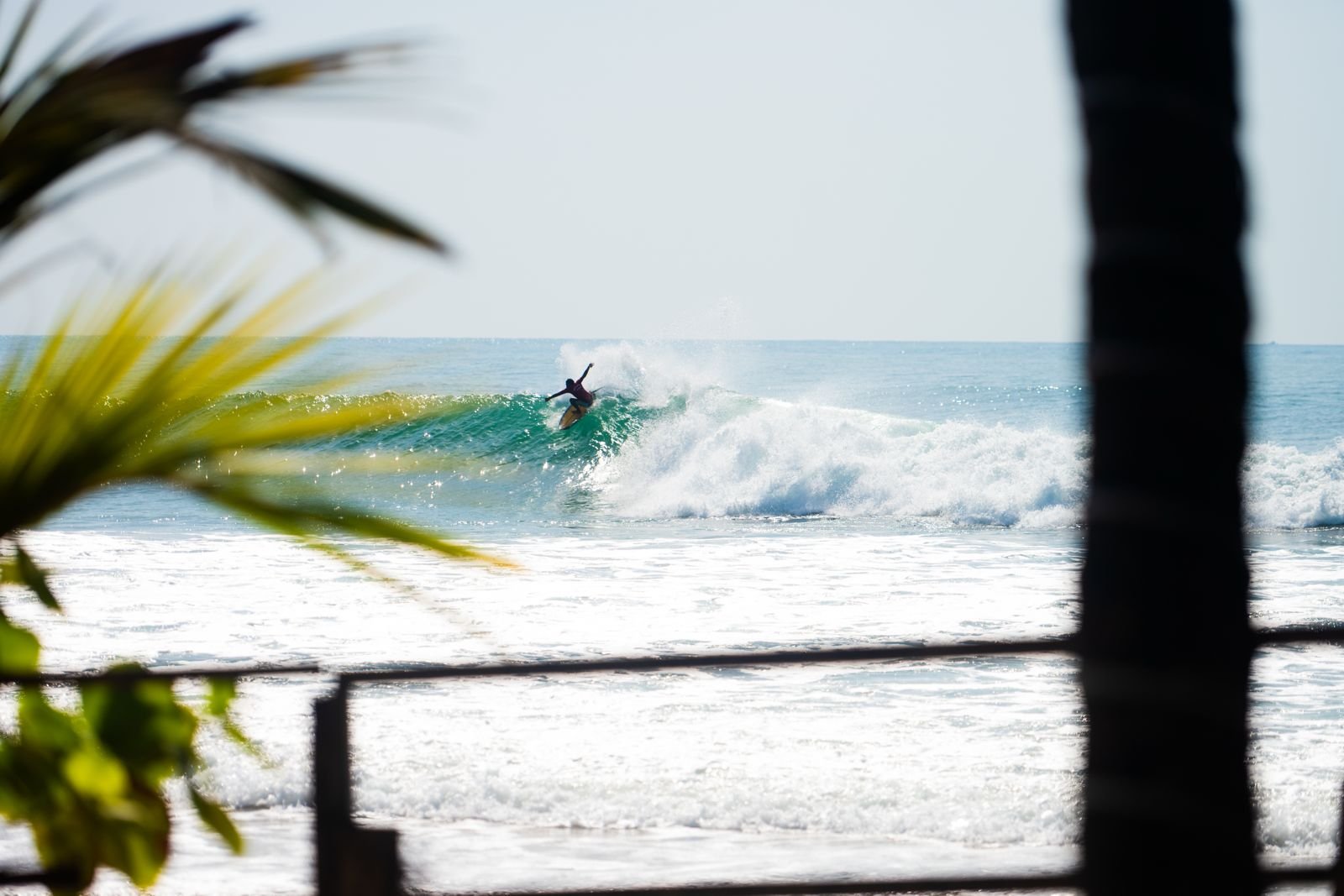
Safa Surf & Yoga
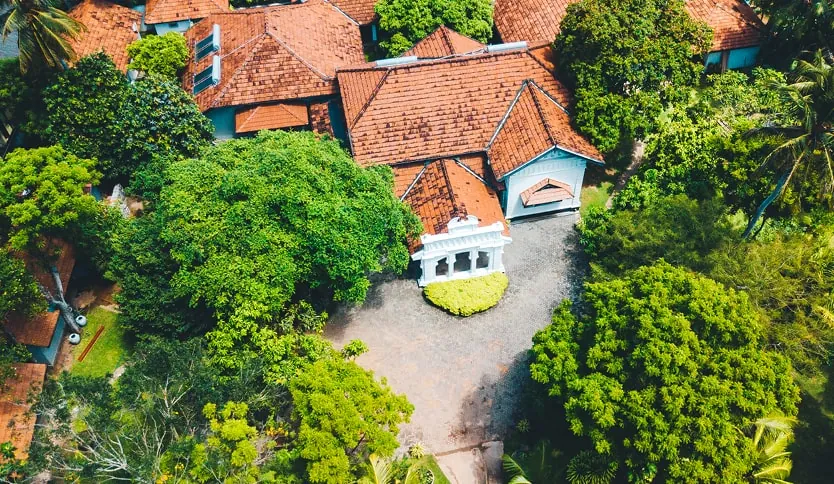
Kima Surf Camp Weligama
Kima Surf Camp Hiriketiya