🇵🇹Portugal
Surf Destinations & Guide
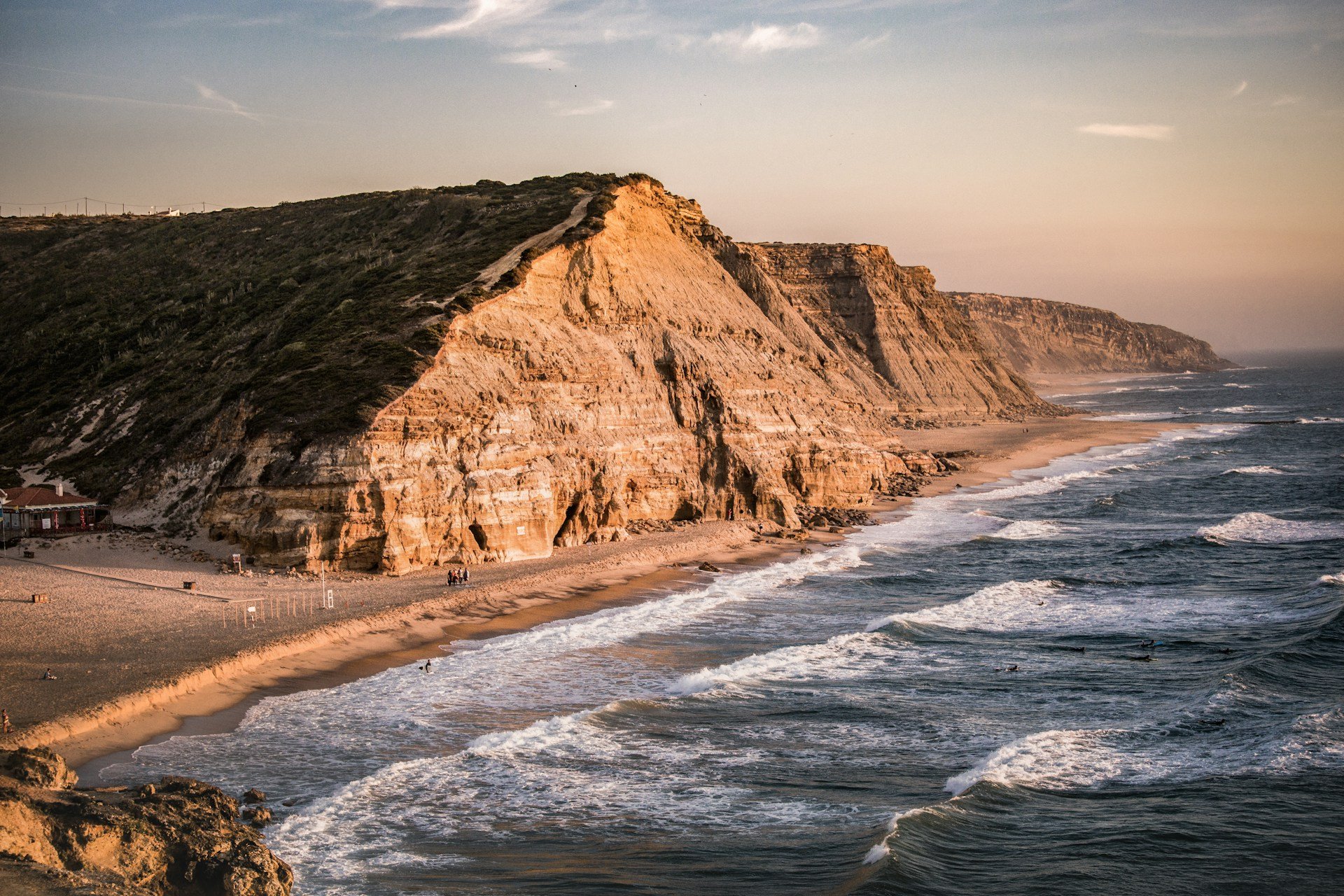
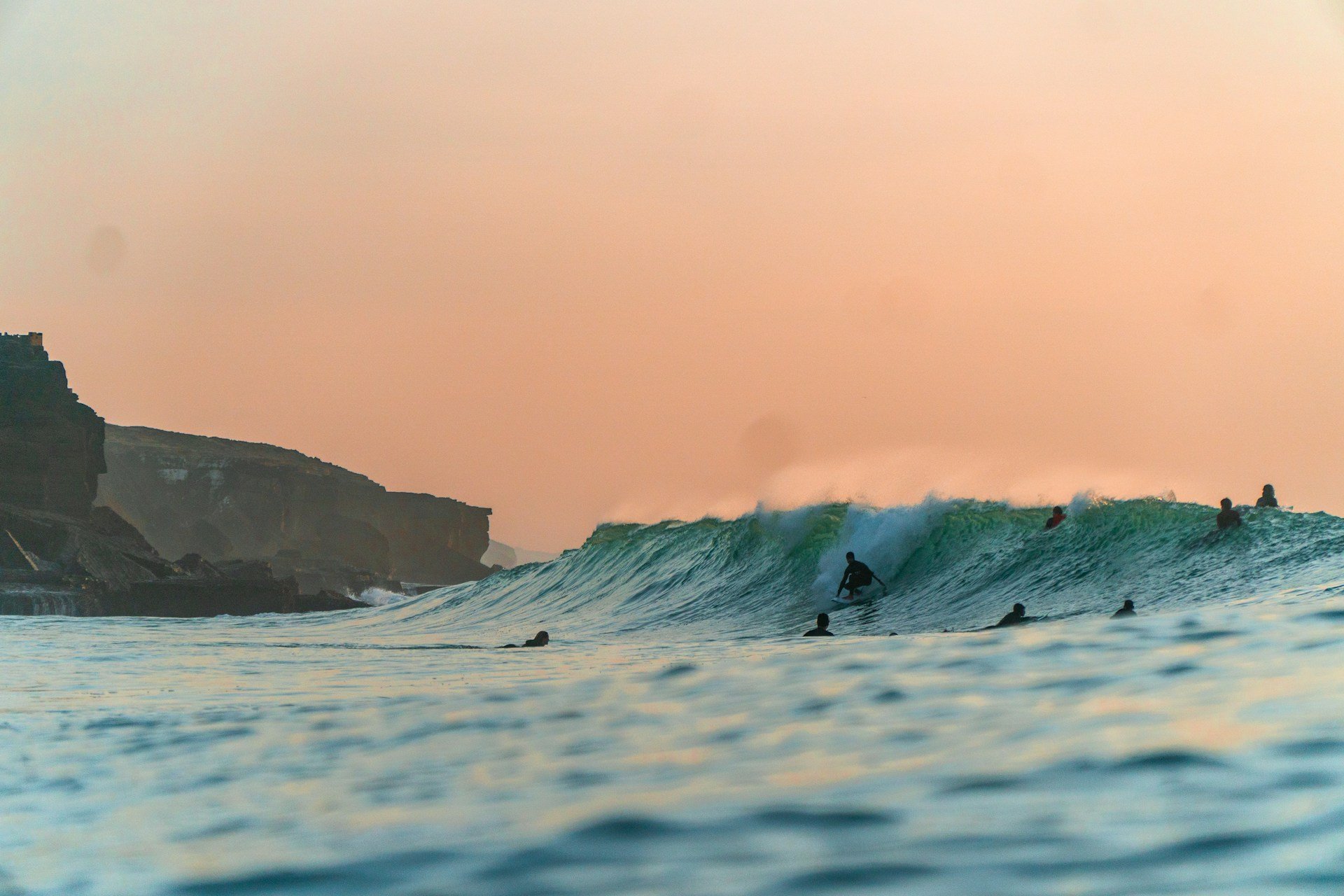
Portugal has earned its place as Europe's premier surf destination, drawing wave riders from around the world to its 800+ kilometers of Atlantic coastline. From the powerful tubes of Supertubos in Peniche to the consistent reef breaks of Ericeira (one of only two World Surfing Reserves in Europe), the country offers something for every skill level.
What makes Portugal special is the combination of world-class waves with European accessibility. Fly in from anywhere in Europe in 2-3 hours, pay in Euros, enjoy excellent infrastructure, and surf uncrowded lineups that rival anything in the tropics. The water's colder than Indonesia, sure, but the waves are just as good.
Beyond surfing, Portugal delivers incredible food (fresh seafood, pastéis de nata, local wine), a rich history, and a laid-back culture that welcomes surfers with open arms. The surf towns of Ericeira, Peniche, and the Algarve have developed vibrant international communities while retaining authentic Portuguese character. Add in affordable accommodation, reliable transport, and some of Europe's best weather, and you've got the complete surf trip package.
When to Surf in Portugal?
Sep-Nov: Peak Surf Season
Autumn is Portugal's sweet spot. Atlantic swells pick up after summer's lull, water temperatures remain pleasant (18-20°C), and the summer crowds thin out. September and October deliver the most consistent conditions with manageable swell sizes, making this ideal for intermediates looking to progress.
The first significant swells of the season start pushing through, lighting up Ericeira's reefs and Peniche's beach breaks. Offshore winds are common in the mornings. This is when Portugal truly shines, offering warm(ish) water, uncrowded lineups, and enough swell to keep things interesting without the heavy winter bombs.
Conditions: Water 18-20°C (3/2mm wetsuit). Offshore mornings, light onshore afternoons. Best balance of swell consistency and pleasant weather.
Dec-Feb: Winter (Big Wave Season)
Winter brings the heavy artillery. Powerful North Atlantic swells march in relentlessly, with Nazaré occasionally producing the biggest waves on the planet. For experienced surfers, this is prime time for scoring pumping reef breaks in Ericeira and hollow beach breaks in Peniche.
Water drops to 14-16°C (5/4mm wetsuit, booties, maybe a hood). The lineups empty out as casual surfers head home, leaving quality waves for those willing to brave the cold. Not every day is maxing out though: plenty of smaller windows appear between swells, offering excellent conditions with nobody out.
Conditions: Water 14-16°C. Powerful swells 2-5m+, often stormy. Experienced surfers only on the biggest days. Booties essential.
Mar-May: Spring (Shoulder Season)
Spring offers similar quality to autumn with even fewer crowds. The big winter swells taper off, water starts warming up, and surf camps begin reopening. March can still see significant swell, while April and May settle into more manageable conditions perfect for improving your surfing.
This is an underrated window for surf trips. Accommodation prices haven't hit summer peaks, the weather improves week by week, and you'll share lineups with dedicated locals rather than holiday crowds. Water temperature climbs from 15°C in March to 17-18°C by May.
Conditions: Water 15-18°C (3/2mm to 4/3mm wetsuit). Decreasing swell size, improving weather. Excellent value season.
Jun-Aug: Summer
Summer is Portugal's tourist season, and the lineups reflect it. Swells drop significantly (often flat or 1-2ft), water warms to 19-21°C, and beaches fill with holidaymakers. The mellow conditions make this ideal for complete beginners learning at Costa da Caparica or the Algarve's sandy beaches.
Advanced surfers will find summer frustrating unless a rare south swell arrives. But for learning to surf, the small, forgiving waves combined with warm weather and lively beach towns create a fun, social atmosphere. Expect to share waves with lots of learners and pay peak-season prices.
Conditions: Water 19-21°C (shorty or spring suit). Small waves (1-3ft), often onshore. Best for beginners; experienced surfers should look elsewhere.
Surf Regions in Portugal
Portugal's Atlantic coastline offers distinct surf regions, each with its own character, wave types, and vibe.
Ericeira Surf Guide (17 camps)
Europe's only World Surfing Reserve packs over 30 breaks into just 8km of coastline. From the mellow beach break at Foz do Lizandro to world-class reefs like Ribeira d'Ilhas and Coxos, Ericeira delivers variety for every level. The town has evolved into a proper surf hub with excellent camps, cafes, and a strong international community while keeping its traditional fishing village charm. This is where serious surfers come to progress.
Peniche Surf Guide (15 camps)
A peninsula jutting into the Atlantic, Peniche offers powerful beach breaks and the famous Supertubos (home to the WSL Championship Tour). The geography means you can always find offshore conditions somewhere. Baleal island connects via a sandbar and provides beginner-friendly waves, while the main beaches deliver punchy peaks for intermediates. Great surf school infrastructure and more affordable than Ericeira.
Lisbon & Cascais Surf Guide (14 camps)
Surf within easy reach of the capital. Costa da Caparica's 30km of sandy beach breaks are perfect for beginners, with dozens of surf schools and a fun beach-bar scene. Cascais and the Sintra coast offer reef breaks and more challenging conditions. Ideal for combining city exploration with surf sessions, or as a base for day trips to Ericeira and Peniche.
Algarve & South Portugal Surf Guide (26 camps)
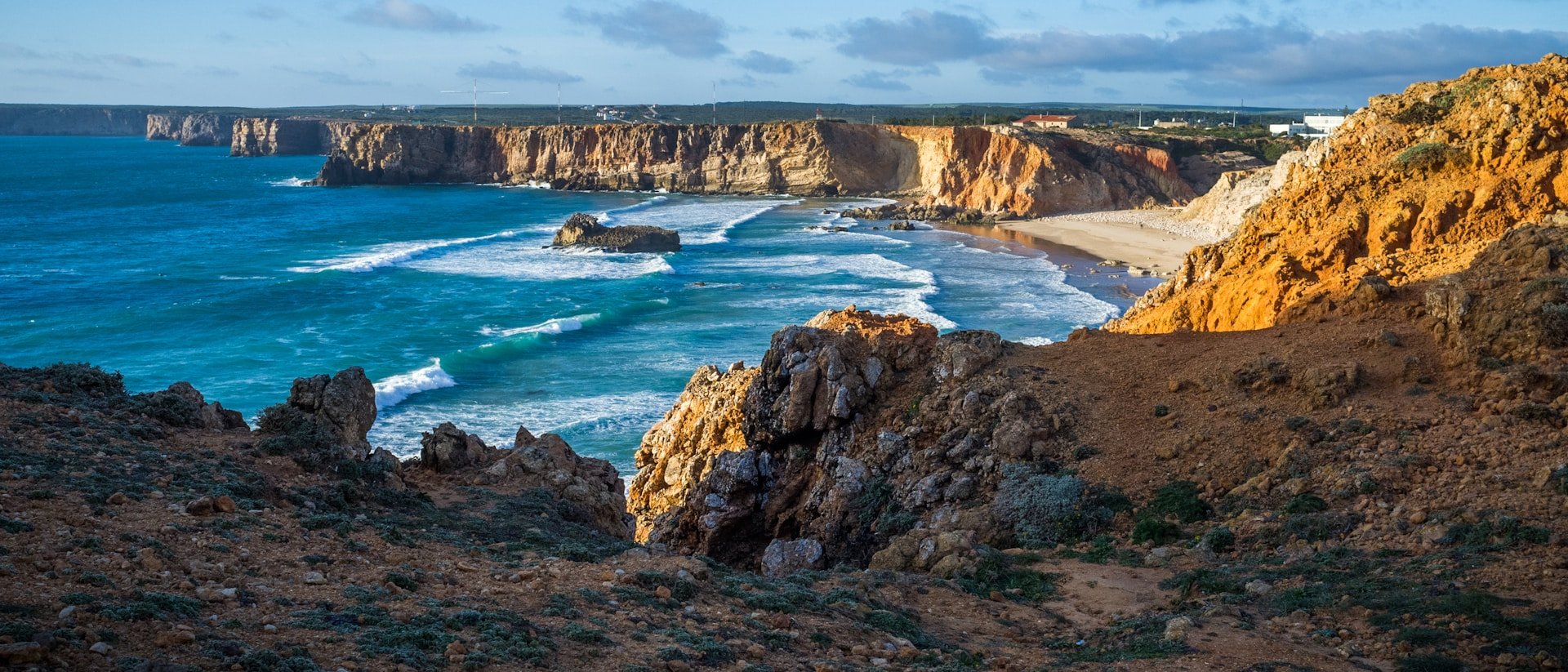
Warmer water, more sunshine, and a relaxed vibe. The west coast around Sagres, Aljezur, and Arrifana catches Atlantic swell with less exposure than the central coast, making conditions more manageable. Amado Beach is a classic beginner spot. The Algarve suits those wanting to combine surfing with beach holidays, golf, or family travel.
Northern Portugal Surf Guide (16 camps)
Porto and the northern coast see fewer surfers despite quality waves. Espinho and Matosinhos offer consistent beach breaks near the city. Less developed surf infrastructure but uncrowded lineups and authentic Portuguese atmosphere. Worth exploring if you want to escape the crowds.
Azores Surf Guide
Remote volcanic islands in the mid-Atlantic with powerful, consistent swells. São Miguel has the most accessible surf scene with several quality breaks. Requires more planning and commitment but rewards with empty lineups and raw Atlantic power. Best for experienced surfers seeking adventure.
Madeira Surf Guide (1 camp)
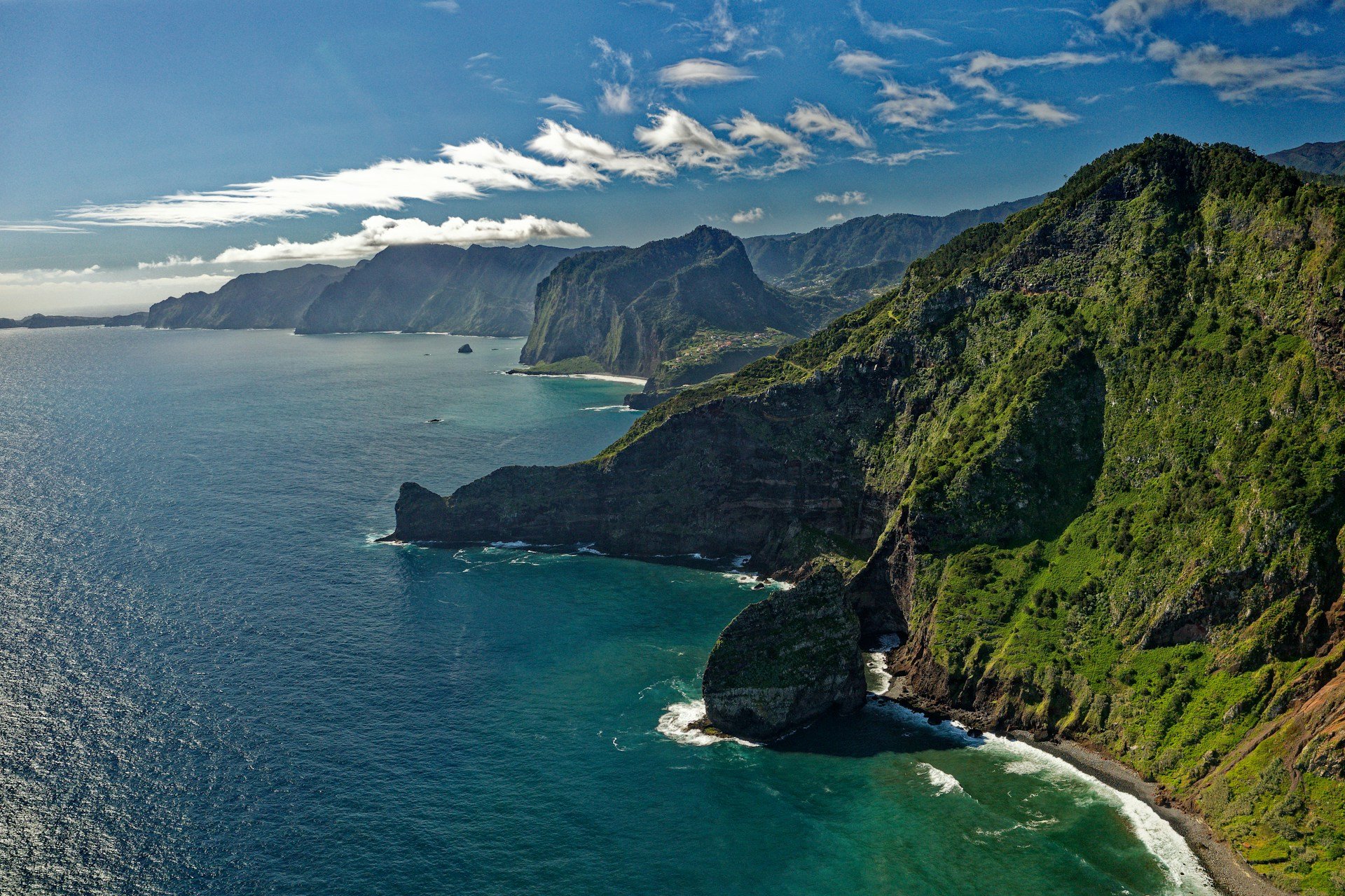
Dramatic volcanic coastline with reef breaks and point breaks. Paul do Mar and Jardim do Mar offer world-class waves when the swell hits. Not a beginner destination but advanced surfers will find challenging, uncrowded conditions. Combine with hiking and the island's stunning landscapes.
🏄 Best Surf Spots in Portugal
From world-class reef breaks to beginner-friendly beach breaks, Portugal offers 44 documented surf spots across its 7 regions.
Praia do Amado
beginner intermediateA genuinely fantastic beach break that picks up lots of swell thanks to its NW orientation. Can range from mellow log waves with fat walls to big freight train rights. Holds up to 12 feet. Popular with surf schools in summer but has real attitude when swells push through. Some underwater rocks invisible at low tide.
Arrifana
beginner intermediateTwo distinct breaks in one beautiful bay. The reliable beach break works for schools and intermediates with consistent peaks. The harbor reef break is a challenging right over cobblestone bottom, expert-only with a strong local crew. Summer ideal for learning; reef fires on bigger swells.
Zavial
advancedArguably the single best wave in south Algarve. A right-hand barrel that goes off on huge NW winter swells wrapping around Cape St. Vincent. Heavy localism on the main peak. The long beach section 200m away has nice A-frames on mid-sized swells with none of the localism.
Beliche
intermediate advancedOne of the classiest waves in the whole region and the only proper wedge in the Algarve. Huddled under dramatic cliffs with super-fun shapes that hollow out on bigger days. Works best at lower tides. A step up from beach breaks but not as heavy as Zavial.
Tonel
intermediateOne of three workable beaches in Sagres, the Algarve surf capital. Intermediate-friendly beach break that picks up more swell than south-facing beaches. A go-to spot for Sagres-based surfers with reliable conditions. Can get crowded with multiple camps in the area.
Carrapateira (Bordeira)
intermediate advancedA huge, long, wide, swell-sucking beach with multiple peaks. The cliffs at the south end fire off some of the best lefts in the region on bigger swells. Beach section works for beginners in summer. Gold-white sand backed by a wiggling river creates a stunning setting.
Castelejo
beginner intermediateA seriously gorgeous place to surf near Vila do Bispo. Can be a super-nice beginner A-frame with small practice waves, or a heavy spot with steep rights and lefts when swells push through. Mainly sand with some rocks. Summer beginner-friendly; autumn/November brings more size.
Odeceixe
beginner intermediateWhitewashed town above a beach with good rivermouth waves and high consistency. Works for beginners to intermediates depending on swell. Can close out on bigger days. The rivermouth creates sandbars that shape the peaks. Northern gateway to the Algarve surf zone.
+ 36 more surf spots across Portugal
Is Portugal Good for Beginner Surfers?
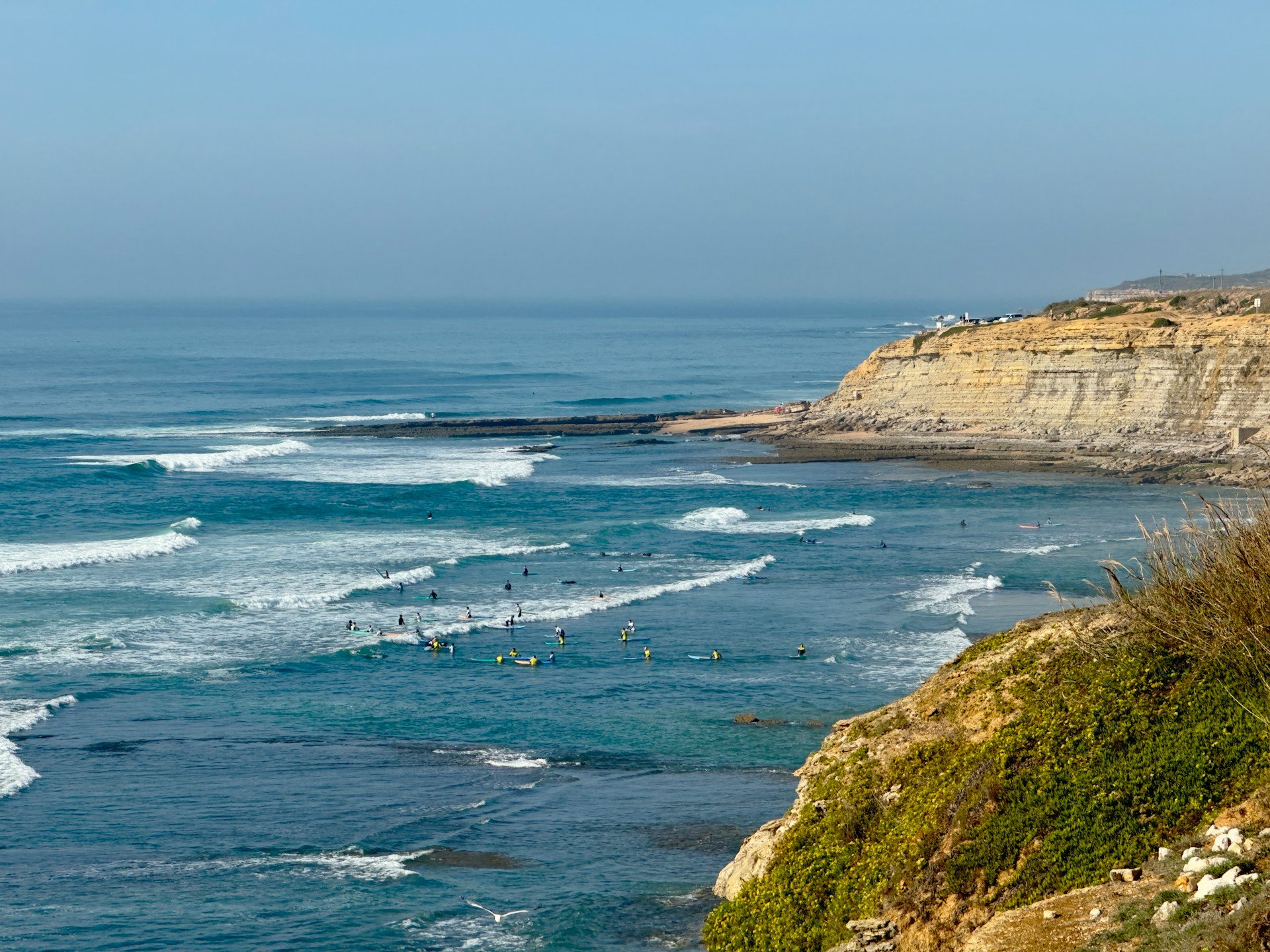
Portugal ranks among Europe's best destinations for learning to surf. The infrastructure is developed, beaches are safe, and surf schools operate to high standards.
Where to Learn
Costa da Caparica, just 30 minutes from Lisbon, offers 30km of sandy beach breaks perfect for first-timers. The town has dozens of surf schools and a fun beach-bar scene. Peniche's Baleal area provides another excellent option with mellow waves and plenty of camps catering to beginners.
In the Algarve, Amado Beach and the beaches around Lagos deliver warm water, sandy bottoms, and gentle waves. The southern region's calmer conditions and sunnier weather make it particularly appealing for those nervous about cold water or challenging surf.
What to Expect
Two-hour group lessons cost €30-50 including wetsuit and board. Week-long beginner surf camps range from €300-600 with accommodation included. Most beginners stand up and ride whitewater in their first session, with green wave progression within a week of daily practice.
Best Time for Beginners
Summer (June to August) offers the smallest, most forgiving waves, though crowds peak. September is ideal: quieter beaches, still-warm water, and manageable 2-4ft swells. Spring (April-May) provides similar conditions with even fewer people.
Portugal Intermediate Surfer Guide
Portugal rewards intermediate surfers ready to push beyond beach break whitewater. The variety of breaks means you can progress systematically from mellow reefs to more challenging waves.
Central Portugal Progression
Start at Ericeira's Foz do Lizandro, a forgiving beach break that builds confidence in bigger surf. Graduate to Ribeira d'Ilhas, the town's most iconic wave: a long, peeling right that's challenging but not intimidating. The reef breaks at São Lourenço and Matadouro offer the next level of difficulty.
In Peniche, Cantinho da Baía provides protected waves on the bay side when the ocean beaches are too big. As you improve, tackle the beach breaks at Praia do Baleal before working up to Supertubos (when small, only advanced surfers venture there when it's pumping).
What You'll Need
A 3/2mm or 4/3mm wetsuit depending on season. Bring your own board if you're particular about performance shapes. Surf camps often include midrange boards, but serious intermediates benefit from having their own equipment. Reef booties are optional but useful for rocky entries.
Tip for Progression
Portugal's reef breaks have defined channels for paddling out, making them more approachable than chaotic beach breaks. Watch the locals, identify the paddle-out route, and use the channels to conserve energy.
How Much Does a Surf Trip to Portugal Cost?
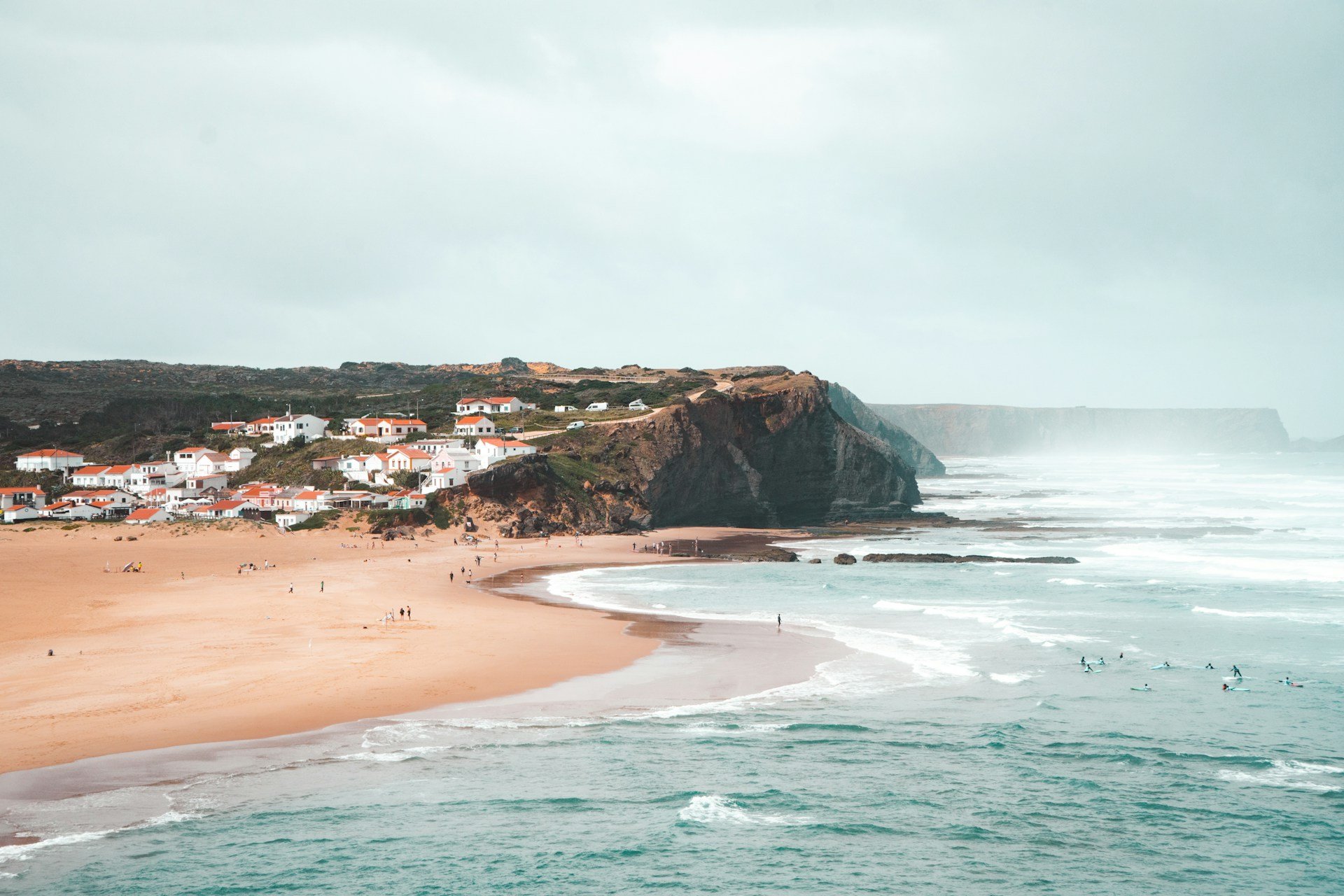
Portugal offers exceptional value by European standards. Your budget stretches further here than in most Western European destinations.
Accommodation
Budget hostels run €20-35 per night for dorms, €40-60 for private rooms. Mid-range boutique guesthouses cost €60-100. Surf camps with accommodation, lessons, and meals range from €300-700 per week, representing excellent value given what's included.
Food
A local lunch (prato do dia) costs €8-12 including drink. Dinner at a casual restaurant runs €15-25 for fish, wine, and dessert. Pastéis de nata and coffee is €2. Budget €20-35 per day eating mostly local food.
Transport
Airport transfers from Lisbon to Ericeira/Peniche cost €40-70. Renting a car is €30-50/day and essential if you want to chase conditions. Uber/Bolt work well in bigger towns. The train to Cascais from Lisbon costs €2.
Daily Budgets
- Budget traveler: €50-70/day (hostel dorm, local food, public transport)
- Mid-range comfort: €80-120/day (guesthouse, restaurant meals, rental car)
- Comfortable surf camp: €80-120/day (camp package with meals and guiding)
Compared to Alternatives
Portugal undercuts most European surf destinations. France is 20-30% more expensive, the Canaries similar or slightly cheaper but requires flights. Compared to tropical destinations, Portugal costs about the same as Bali but with the convenience of no jetlag for Europeans.
Travel Essentials for Surfing Portugal
Getting There
Lisbon Airport (LIS) is the main gateway, with direct flights from most European cities and major international hubs. Porto (OPO) works for northern Portugal. Budget airlines (Ryanair, easyJet, TAP) keep prices competitive. From Lisbon, Ericeira is 45 minutes, Peniche 1 hour, the Algarve 2.5 hours by car.
Visa Requirements
EU/EEA citizens need only a passport or ID card. UK, US, Canadian, and Australian citizens can stay 90 days visa-free within the Schengen area. No special permits needed for surfing.
What to Bring
- 3/2mm wetsuit (autumn/spring), 4/3mm or 5/4mm (winter), shorty (summer)
- Booties for winter and rocky entries
- Reef-safe sunscreen (the Portuguese sun is strong)
- Wetsuit gloves and hood for December-February (optional but appreciated)
- Your own board if you're intermediate+ (performance boards harder to rent)
Health and Safety
Portugal is very safe with excellent healthcare. No special vaccinations required. Beach lifeguards operate during summer months. Main hazards: rip currents (common at beach breaks), rocks (at reef breaks), occasional sea urchins. Strong UV year-round, even on cloudy days.
Connectivity
Excellent 4G coverage everywhere. Free WiFi at most cafes and accommodations. EU roaming means no extra charges for EU visitors. Coworking spaces available in Ericeira and Peniche for digital nomads.
Surf Services in Portugal
Find everything you need for your surf trip across Portugal.
Culture & Conditions
☀️ Weather
Temperate Atlantic climate. Summers (Jun-Sep) are warm and dry with temperatures 25-35°C, though coastal areas stay cooler due to sea breeze. Winters (Dec-Feb) are mild but wet, 10-15°C, with frequent rain in the north. The Algarve enjoys 300+ sunny days per year and milder winters than the central coast.
🌊 Water Conditions
Water temperature: 14-16°C in winter, 18-22°C in summer (Algarve reaches 21-23°C). Wetsuit requirements: Summer needs 3/2mm (2mm shorty in Algarve). Winter requires 4/3mm to 5/4mm with booties, especially in the north. Spring/autumn alternate between 3/2mm and 4/3mm.
⚠️ Safety Tips
Generally very safe for travelers. Main surf hazards include powerful shorebreaks (especially at beach breaks like Supertubos), rocks and reefs at point breaks (Coxos, Ribeira d'Ilhas), and occasional pollution near major cities. Some spots get crowded with locals who know the lineup well. Always check conditions before paddling out at unfamiliar breaks.
❓ Frequently Asked Questions
Do I need to bring my own surfboard?▼
Is Ericeira or Peniche better for a surf trip?▼
Can I combine surfing with nightlife and culture?▼
Is there a surf community for solo travelers?▼
⭐ Top Surf Camps in Portugal
View all 88 surf camps →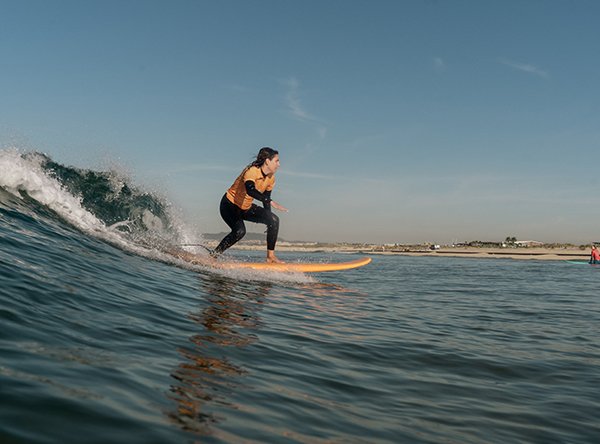
Gota Dagua Portugal
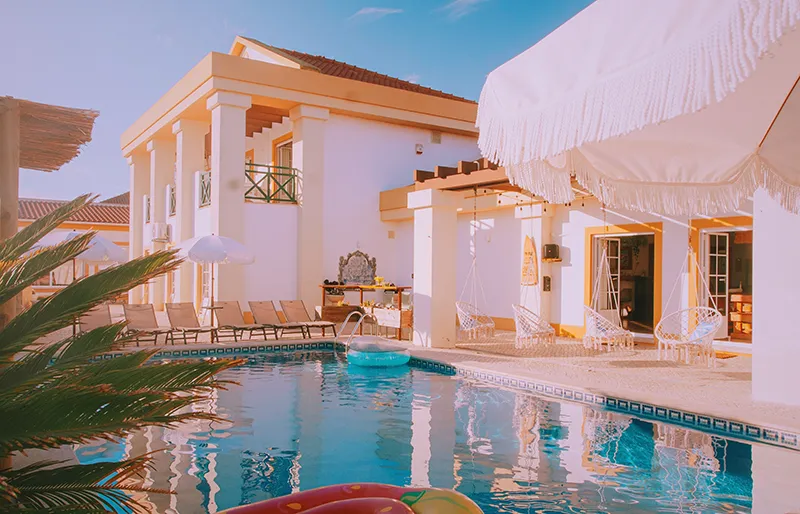
Cliff Surf House
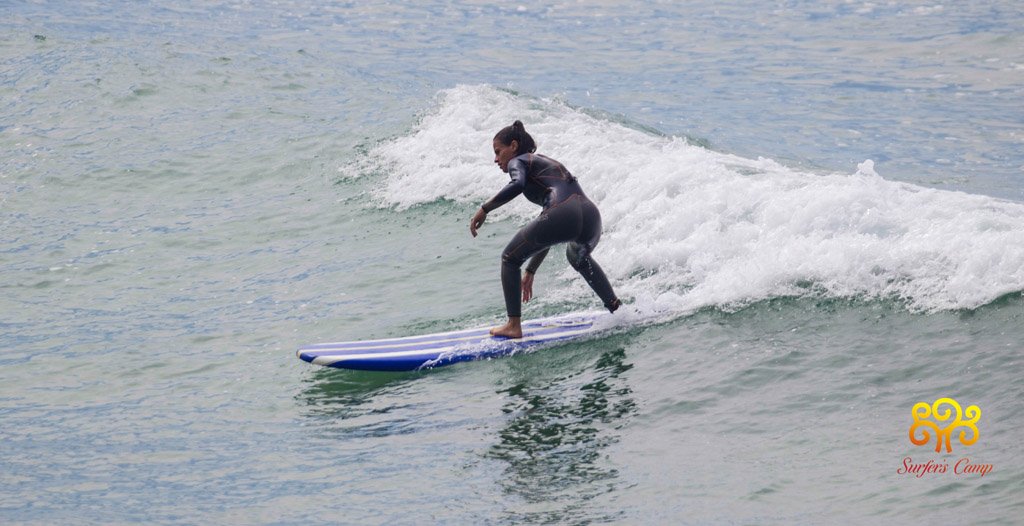
Surfer's Camp
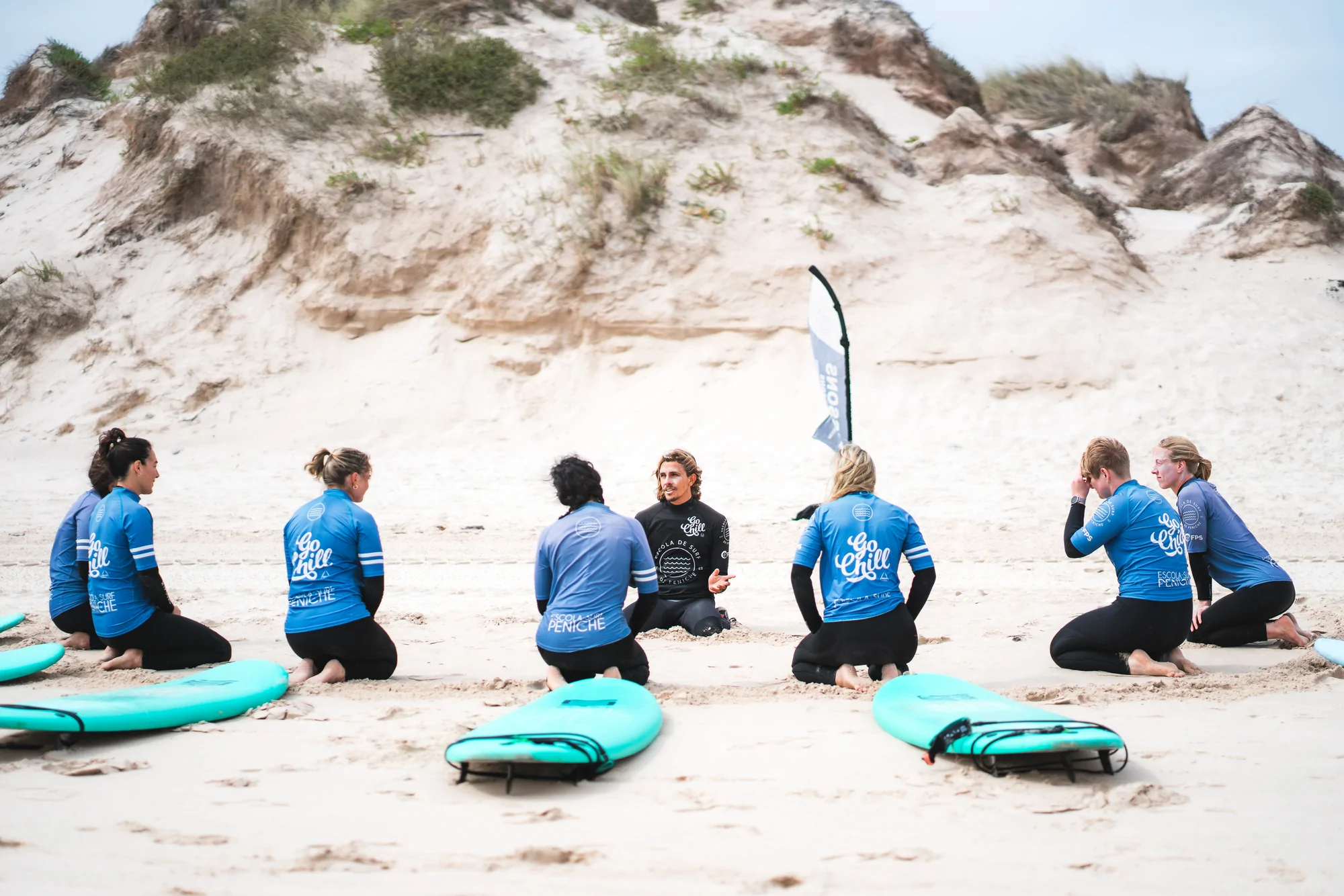
Escola Surf Peniche
Where surf passion meets personal attention