🇮🇩Indonesia
Surf Destinations & Guide
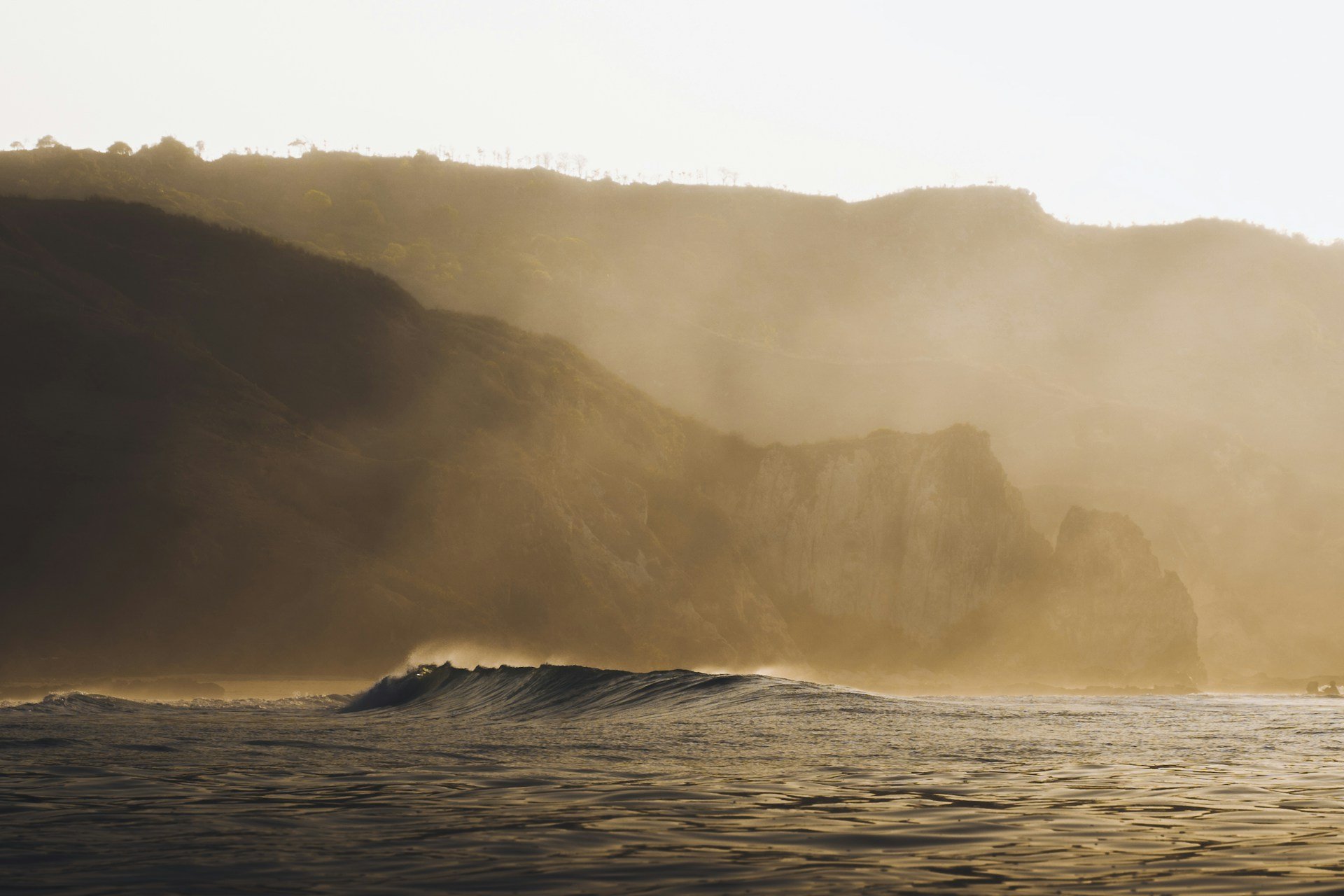
Indonesia is the world's ultimate surf destination, an archipelago of over 17,000 islands stretching across 5,000 kilometers of tropical ocean. From the legendary barrels of Bali's Uluwatu to the remote perfection of the Mentawais, Indonesia offers more quality waves than any other country on Earth.
What makes Indonesia extraordinary is the sheer variety. Bali delivers world-class reef breaks with full tourist infrastructure. The Mentawais offer some of the most consistent waves on the planet, accessible only by boat or remote surf camp. Sumatra's Krui coast and Nias provide frontier surfing with empty lineups. Lombok holds Desert Point, one of the longest lefts in Indonesia. Even lesser-known islands like Sumbawa, Rote, and Sumba hide uncrowded perfection.
The Indonesian dry season (April through October) brings consistent Indian Ocean groundswells and offshore trade winds to the southern coastlines. Water temperatures hover around 28°C year-round, meaning boardshorts are your only wetsuit. Whether you're a beginner learning on Bali's beach breaks, an intermediate progressing at Lombok's Gerupuk, or an expert charging G-Land's legendary barrels, Indonesia delivers.
When to Surf in Indonesia?
May-Sep: Dry Season (Peak)
The dry season is when Indonesia truly delivers. Consistent groundswells generated in the Southern Ocean travel thousands of miles to hit Indo's southern reefs with precision. Southeast trade winds blow offshore on south-facing breaks from dawn until mid-morning, grooming the waves to perfection.
June through August sees the largest and most consistent swells, with Uluwatu, G-Land, Desert Point, and the Mentawai islands firing at their best. The Mentawais are "one of the most consistent surf destinations on the planet" during this window, with quality waves nearly every day. Expect crowded lineups at famous spots like Uluwatu, Padang Padang, and Canggu. However, Indonesia's sheer number of breaks means those willing to explore can still find quieter waves.
Conditions: Water 27-29°C. Offshore SE trades until 10-11am. 4-10ft swells common. Famous spots get packed.
Apr-Oct: Shoulder Season
April and October offer excellent conditions with notably fewer crowds. The swell remains consistent though slightly smaller than peak season. April sees the transition from wet to dry, with increasing swell size and improving winds week by week. October delivers lingering dry season conditions before the monsoon shifts.
These shoulder months are ideal for scoring quality waves with lighter (though never empty) lineups. Accommodation prices drop, surf camps have availability, and the vibe is more relaxed than the June-August rush. Many experienced travelers specifically target these windows for the best balance of waves and crowds.
Conditions: Water 27-29°C. Variable winds but often still offshore mornings. 3-6ft swells. Best value for money.
Nov-Mar: Wet Season
The wet season brings monsoon winds that blow onshore on southern coasts but can create offshore conditions on east-facing breaks. Bali's east coast (Keramas, Nusa Dua) fires during this window. North Sumatra's Aceh region gets solid S swells with NE storm winds that blow offshore, making it "arguably the best place for low-season surf in Indo."
Swell is less consistent overall, with flat spells between pulses. Crowds thin noticeably compared to peak season, though popular Bali spots still draw surfers year-round. Surf camps offer significant discounts, and the Mentawais become more suitable for intermediate surfers as conditions mellow.
Conditions: Water 28-30°C. Afternoon rain common but rarely lasts. Onshore south coasts, offshore east coasts.
Surf Regions in Indonesia
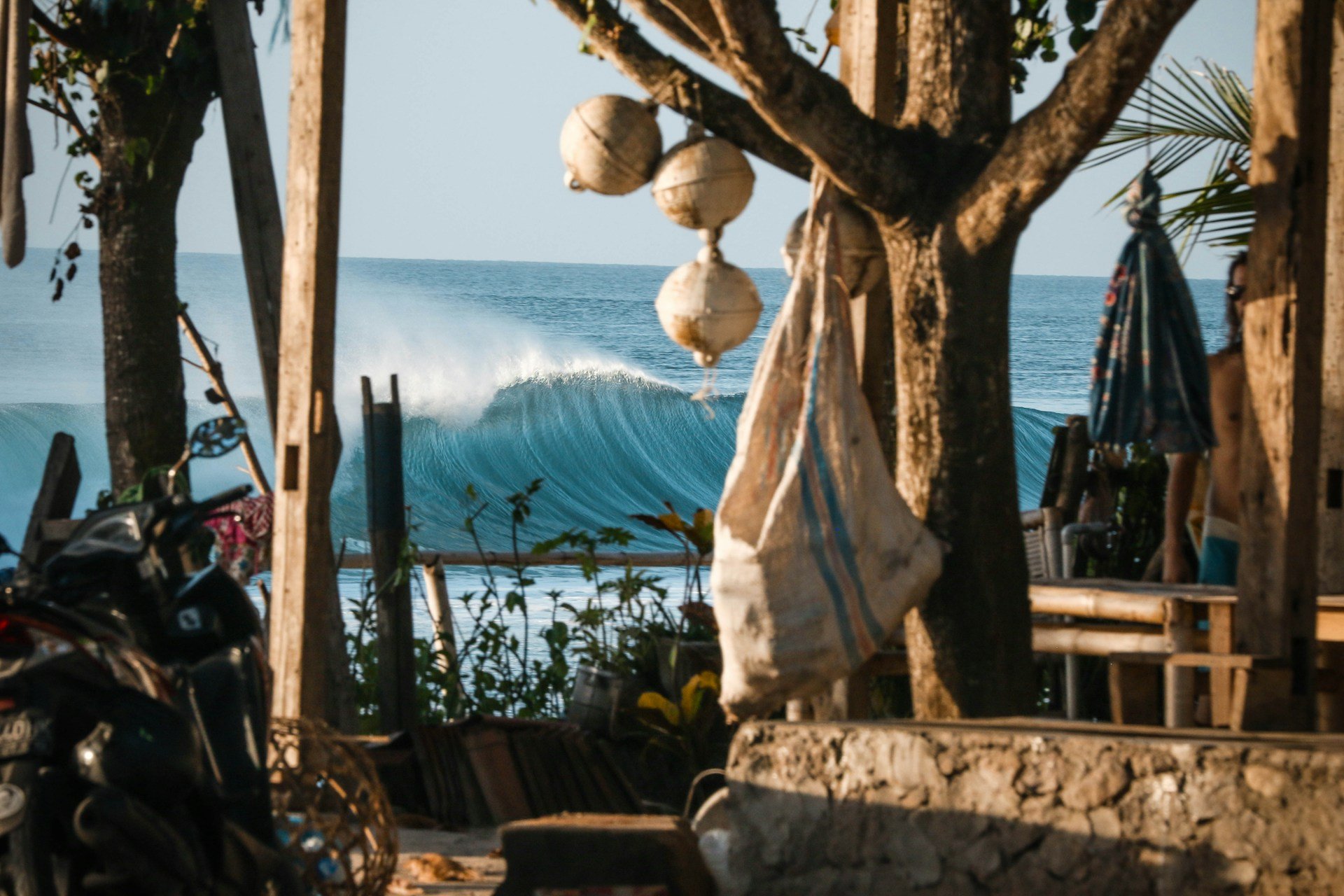
Indonesia's surfable islands each offer distinct experiences, from crowded world-class breaks to frontier exploration.
Bali (The Gateway)
Bali Surf Guide is Indonesia's most accessible surf destination, with direct international flights to Ngurah Rai Airport and infrastructure ranging from budget hostels to luxury villas. The Bukit Peninsula hosts legendary waves: Uluwatu (long, powerful left), Padang Padang (perfect barrel), Bingin, Impossibles, and Dreamland. Canggu on the west coast has become the surf lifestyle hub with Echo Beach and Batu Bolong serving beach break sessions backed by cafes and surf schools.
The Mentawais (World-Class Consistency)
A chain of over 70 islands off Sumatra's coast, the Mentawais Surf Guide are "one of the most consistent surf destinations on the planet." Three areas define the surf: Playgrounds (25+ spots including Rifles, Bank Vaults, Kandui), central Sipura (Telescopes, Lances Right/Hollow Trees), and southern Pagai (Macaronis, hailed as "the funnest wave on the planet"). Access is by boat charter or land camp from Padang.
Sumatra & Nias (Frontier Surfing)
Sumatra Surf Guide is the seventh largest island on Earth and remains Indo's most unexplored surf frontier. The Krui region in the south offers 100 kilometers of surf-rich coastline with waves like Ujung Bocur (monstrous point break, rides of 100-150m) and Way Jambu. Nias delivers 100% swell consistency in dry season at The Point in Lagundri Bay. North Sumatra (Aceh) fires when everywhere else is flat.
Lombok (Desert Point & Beyond)
Just east of Bali, Lombok Surf Guide holds Desert Point: one of the longest, most mechanical lefts on the planet, with barrels running 300+ meters on epic days. Gerupuk Bay offers five breaks for intermediates learning reef surfing. Less developed than Bali with a more local feel.
Eastern Islands (Sumbawa, Rote, Sumba)
Sumbawa Surf Guide features Lakey Peak, an excellent A-frame that barrels both directions, plus hollow reef breaks like Scar Reef and Super Suck with far fewer crowds than other corners of Indonesia. Rote Island Surf Guide holds T-Land, one of Indonesia's best lefts. Sumba offers remote exploration. These islands reward adventure-minded surfers.
🏄 Best Surf Spots in Indonesia
From world-class reef breaks to beginner-friendly beach breaks, Indonesia offers 49 documented surf spots across its 14 regions.
Uluwatu
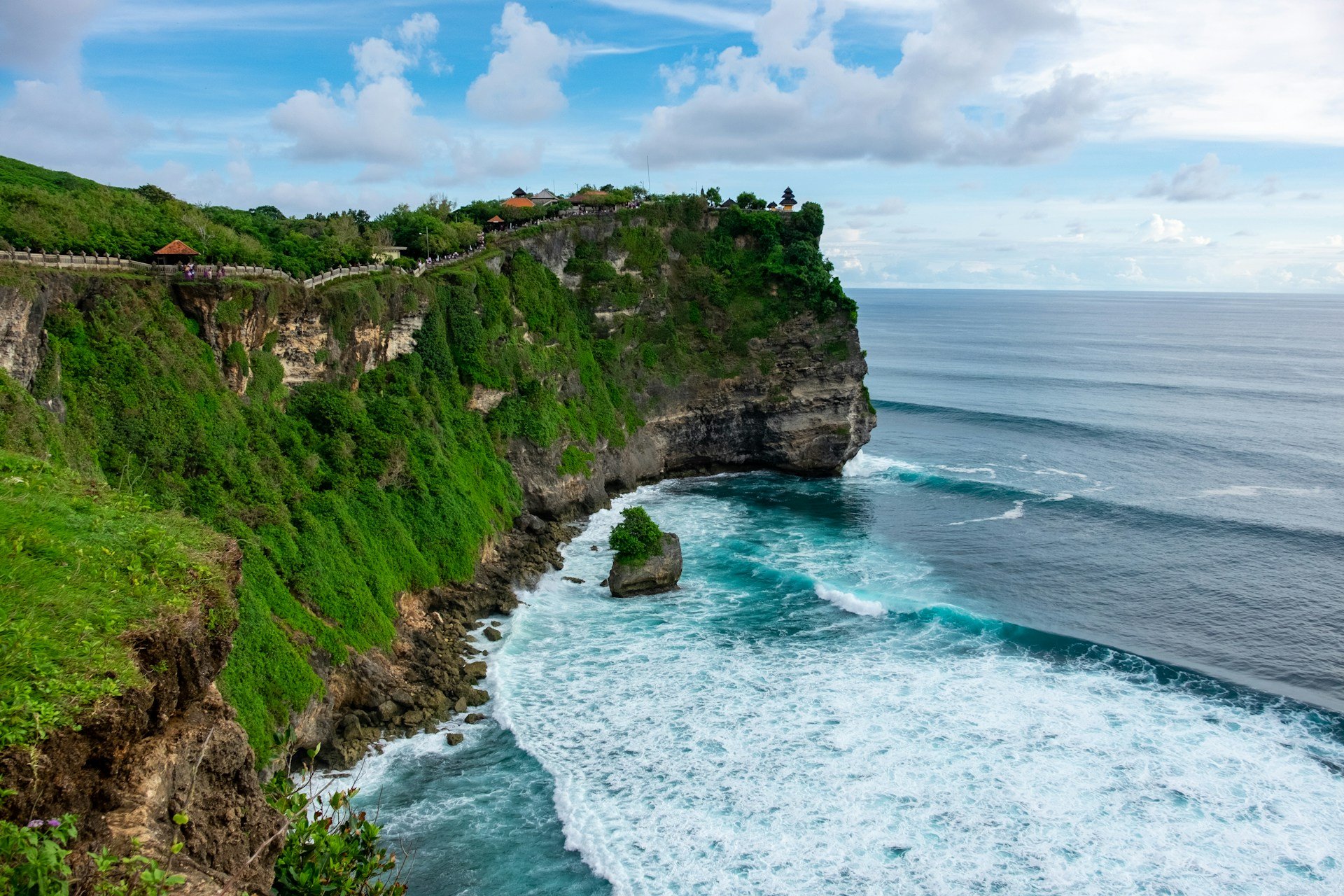
intermediate advancedBali's most iconic wave. This world-class left breaks along dramatic cliffs, offering long, walling rides with barrel sections. The cave entrance adds to the adventure. Best at mid to high tide with a solid swell.
Padang Padang
expertWhen it's on, Padang is one of the best barrels in the world. This short, intense left breaks over a shallow reef and requires confidence. It needs a big swell to work, so it's not an everyday wave.
Bingin
intermediateA fun left-hander that's more manageable than its neighbors. The wave is shorter but offers playful walls and occasional barrels. It's best at mid tide when the reef has enough water.
Canggu (Batu Bolong)
beginner intermediateCanggu's most popular break. It's a soft reef break that works for all levels, with mellow rights and lefts breaking over a sandy reef. The beach club scene means it gets crowded, but the vibe is fun.
Echo Beach
intermediateA punchy beach break in Canggu that offers more power than Batu Bolong. It's best at lower tides when the banks shape up. Popular with intermediate surfers looking for something with more push.
Keramas
advancedA fast, hollow right that's hosted WSL events. The wave is powerful and breaks over a shallow reef, so it's best left to experienced surfers. Night surfing under lights is a unique experience here.
G-Land (Plengkung)
Expert onlyIndonesia's most famous left, hidden in Alas Purwo National Park. This world-class wave barrels down a coral reef for up to 300 meters on solid swells. It's remote, raw, and absolutely unforgettable when it turns on.
Pacitan
All levelsEast Java's hidden gem with multiple breaks along its rugged coastline. The main bay offers sheltered peaks good for all levels, while the outer reefs serve up punchy barrels for more experienced surfers.
+ 41 more surf spots across Indonesia
Is Indonesia Good for Beginner Surfers?
Indonesia can be excellent for beginners, but choosing the right location is essential. Many of Indonesia's famous waves are powerful reef breaks suitable only for experienced surfers. However, several areas offer perfect learning conditions.
Where to Learn in Indonesia
Bali is the most beginner-friendly destination. Kuta Beach's gentle whitewater and soft sand bottom has introduced generations of surfers to the sport. Canggu's Batu Bolong and Old Man's offer mellow beach break waves with plenty of surf schools. Seminyak Beach and Legian provide similar conditions.
Lombok's Gerupuk Bay works well for intermediates ready to progress to reef surfing, with five different breaks offering various skill levels. Batu Karas on Java's south coast is famous as one of Indonesia's friendliest beginner spots with a mellow point break.
In Sumatra, the inside sections at Krui and Mandiri Beach offer gentler options. The Mentawais are generally too advanced for beginners, though Four Bobs and Beng Bengs offer mellower conditions.
What to Expect
Two-hour group lessons in Bali cost $25-40 including board and rash guard. Week-long surf camps with accommodation range from $400-800. The warm water (28°C) means you can practice for hours without getting cold. Expect to stand up and ride whitewater in your first session, with green wave progression within a week.
Best Time for Beginners
April and October offer the best conditions: smaller waves than peak season, fewer crowds, and still-consistent swell. Avoid June-August if you're learning, as even the mellow spots can get powerful.
Indonesia Intermediate Surfer Guide
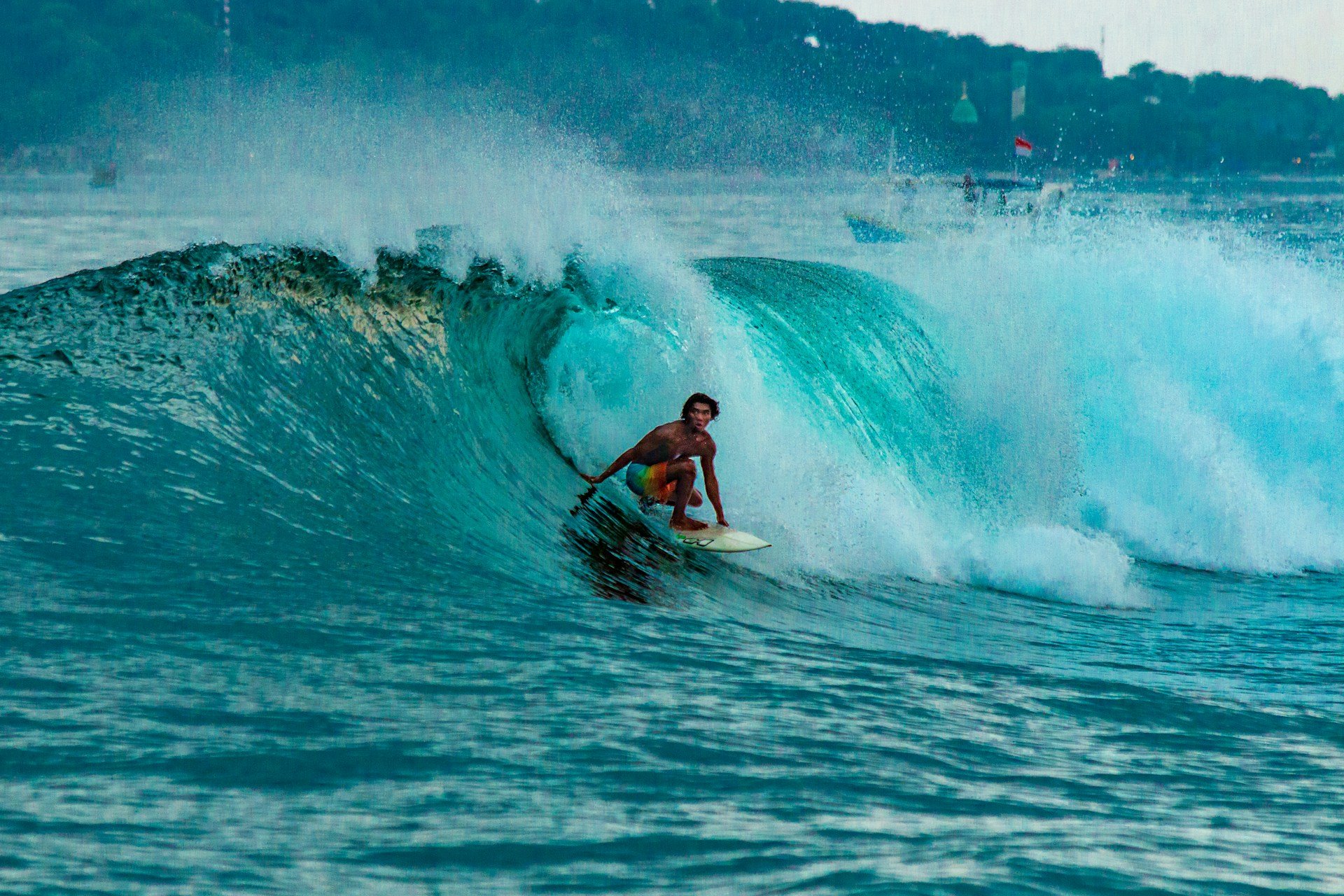
Indonesia rewards intermediate surfers ready to progress from beach breaks to reef breaks. The country offers a natural ladder of waves that build confidence and skills.
Bali Progression Path
Start at Canggu's beach breaks to build paddle fitness and wave-reading skills. When ready, move to the Bukit Peninsula. Dreamland offers a forgiving introduction to reef surfing with a wide channel and defined lineup. Progress to Bingin (more technical takeoffs, faster walls) and eventually Uluwatu's Racetrack section on smaller days.
Lombok Development
Gerupuk Bay is purpose-built for intermediates. Five breaks in one bay (Don Don, Inside, Outside, Kid's Point, Bumbang) let you choose your level each day. The reef is relatively deep and forgiving compared to other Indo spots. Desert Point is overhead-only territory, but watching from the channel teaches valuable lessons.
Mentawais for Improving Surfers
The wet season (November-February) brings mellower conditions to the Mentawais, making breaks like Beng Bengs, E-Bay, and Four Bobs accessible to solid intermediates. The dry season's powerful swells are better suited to advanced surfers, though Playgrounds offers more variety than the heavy southern reefs.
What You'll Need
Reef booties are essential for protection and confidence on reef entries. Bring performance shortboards plus a step-up for bigger days. Consider a helmet for heavier spots. The warm water means a rashguard is all the rubber you need.
Key Tip
Watch the locals. Indonesian surfers are among the world's best and the channels they use, the takeoff spots they choose, and their wave selection teaches more than any lesson.
How Much Does a Surf Trip to Indonesia Cost?
Indonesia remains one of the world's best value surf destinations. Your budget can stretch significantly further than in Australia, Hawaii, or even Portugal.
Accommodation
Bali budget: Hostel dorms $8-15/night, guesthouse private rooms $25-50, mid-range hotels $50-100.
Mentawais: Land camps $150-300/night all-inclusive, boat charters $250-500/day (split between 8-12 surfers).
Lombok/Sumatra: Budget guesthouses $15-30, surf camps $80-150/day all-inclusive.
Food
Local warungs serve nasi goreng, mie goreng, and rice plates for $2-4. Western-style cafes in Canggu charge $8-15 for meals. Fresh seafood BBQs run $10-20. Budget $15-25/day eating a mix of local and tourist food.
Transport
Scooter rental is $5-10/day and the preferred choice for wave-checking. Grab/Gojek rides cost $2-5 around Bali. Airport transfers to Uluwatu/Canggu run $20-40. Domestic flights (Bali to Padang, Lombok) cost $50-150.
Daily Budgets
- Budget traveler: $40-60/day (hostel, local food, scooter, surfing independently)
- Mid-range comfort: $80-120/day (guesthouse, restaurant mix, occasional guiding)
- Surf camp package: $100-200/day (camp with meals, guiding, boat trips)
- Mentawais charter: $200-400/day (premium boat, all-inclusive, remote perfection)
Value Comparison
Bali costs similar to Thailand but with world-class waves. The Mentawais cost more but deliver uncrowded perfection. Compared to Maldives surf charters ($400-600/day), Indonesia offers far better value.
Travel Essentials for Surfing Indonesia
Getting There
Bali's Ngurah Rai Airport (DPS) is the main gateway with direct flights from Australia, Asia, Europe (via Middle East), and connections from everywhere. Jakarta (CGK) connects to Java surf spots. Padang (PDG) is the gateway to the Mentawais. Lombok (LOP) has growing international connections.
For the Mentawais, fly to Padang then transfer to your boat charter or land camp. Most camps arrange airport pickups and boat transfers.
Visa Requirements
Most nationalities need a Visa on Arrival (VOA), purchased at the airport for approximately $35 USD. It's valid for 30 days and extendable once for another 30 days. For longer trips, apply for a B211 social/cultural visa (60 days, extendable). Check current requirements as rules change frequently.
What to Bring
- Reef booties: Essential for reef entries and sea urchin protection
- Rashguard: Sun protection for long sessions (no wetsuit needed)
- Reef-safe sunscreen: Protect the coral
- First aid kit: Antiseptic for reef cuts (they get infected fast in the tropics)
- Performance boards: Quality rentals exist in Bali but are limited elsewhere
- Step-up board: For bigger days at G-Land, Uluwatu, Desert Point
Health and Safety
No mandatory vaccinations but hepatitis A, typhoid, and tetanus recommended. Malaria prophylaxis advised for remote areas (Mentawais, Sumba, Rote). Travel insurance with medical evacuation is essential, especially for the Mentawais. Tap water is not safe; drink bottled. Reef cuts are common; clean immediately with antiseptic.
Connectivity
Excellent 4G in Bali, Lombok, and developed areas. Limited to nonexistent in the Mentawais (considered part of the appeal). Indonesian SIM cards (Telkomsel, XL) are cheap and easy to buy at airports.
Surf Services in Indonesia
Find everything you need for your surf trip across Indonesia.
Culture & Conditions
☀️ Weather
Tropical climate. Dry season (Apr-Oct) is prime surf season with consistent swells, offshore winds, and minimal rain. Wet season (Nov-Mar) brings afternoon thunderstorms but still surfable mornings. Temperature is consistently 27-33°C year-round. Humidity is high (80%+).
🌊 Water Conditions
Water temperature: 27-29°C year-round (tropical). Wetsuit: Not needed for warmth. Many surfers wear boardshorts/bikinis only. A rash vest or thin spring suit protects against sun and reef rash. Reef booties are highly recommended for rocky entries and sea urchins.
⚠️ Safety Tips
Generally safe but be aware of: strong currents and shallow reefs (especially Uluwatu, Padang Padang), sea urchins, reef cuts (bring reef booties and antiseptic), crowded lineups (Bali especially), and petty theft. Mentawais hazards include remote location (limited medical facilities), malaria risk (take prophylaxis), and boat safety. Travel insurance with medical evacuation is essential.
❓ Frequently Asked Questions
When is the best time to surf in Indonesia?▼
Is Indonesia suitable for beginner surfers?▼
Should I book a surf camp or travel independently?▼
How do I get to the Mentawai Islands?▼
What should I bring for an Indonesia surf trip?▼
⭐ Top Surf Camps in Indonesia
View all 77 surf camps →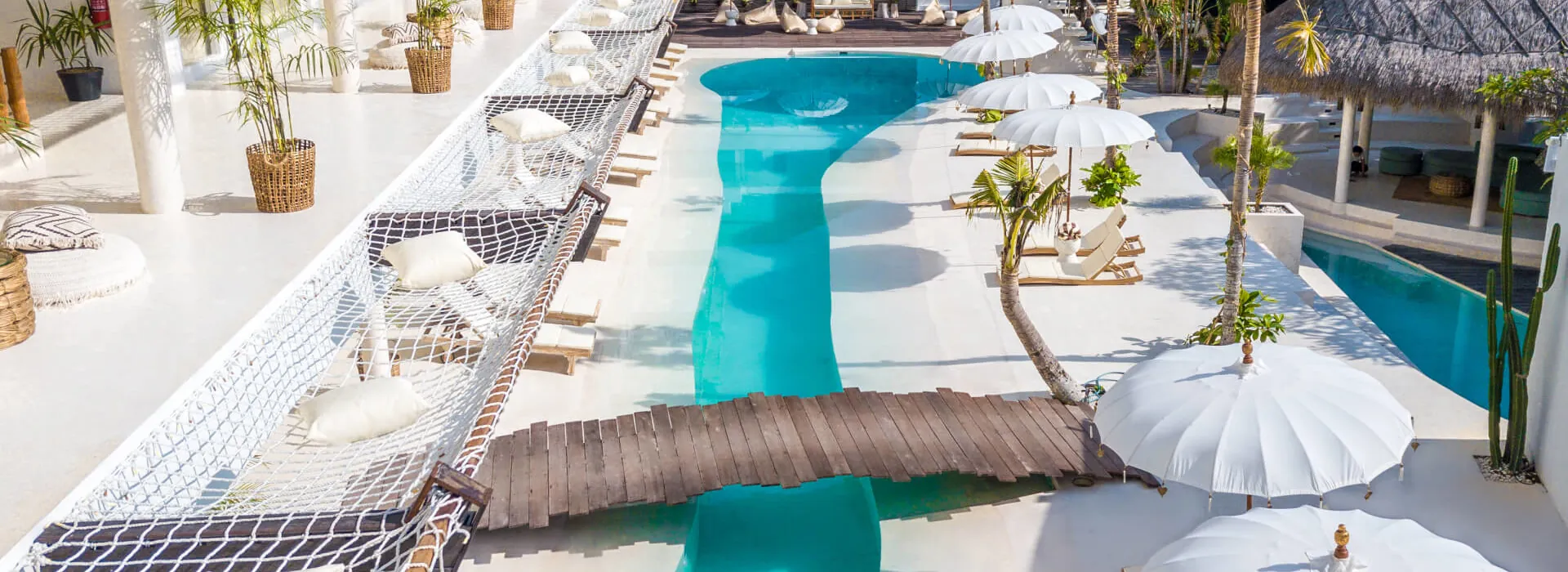
Kima Surf Camp Canggu
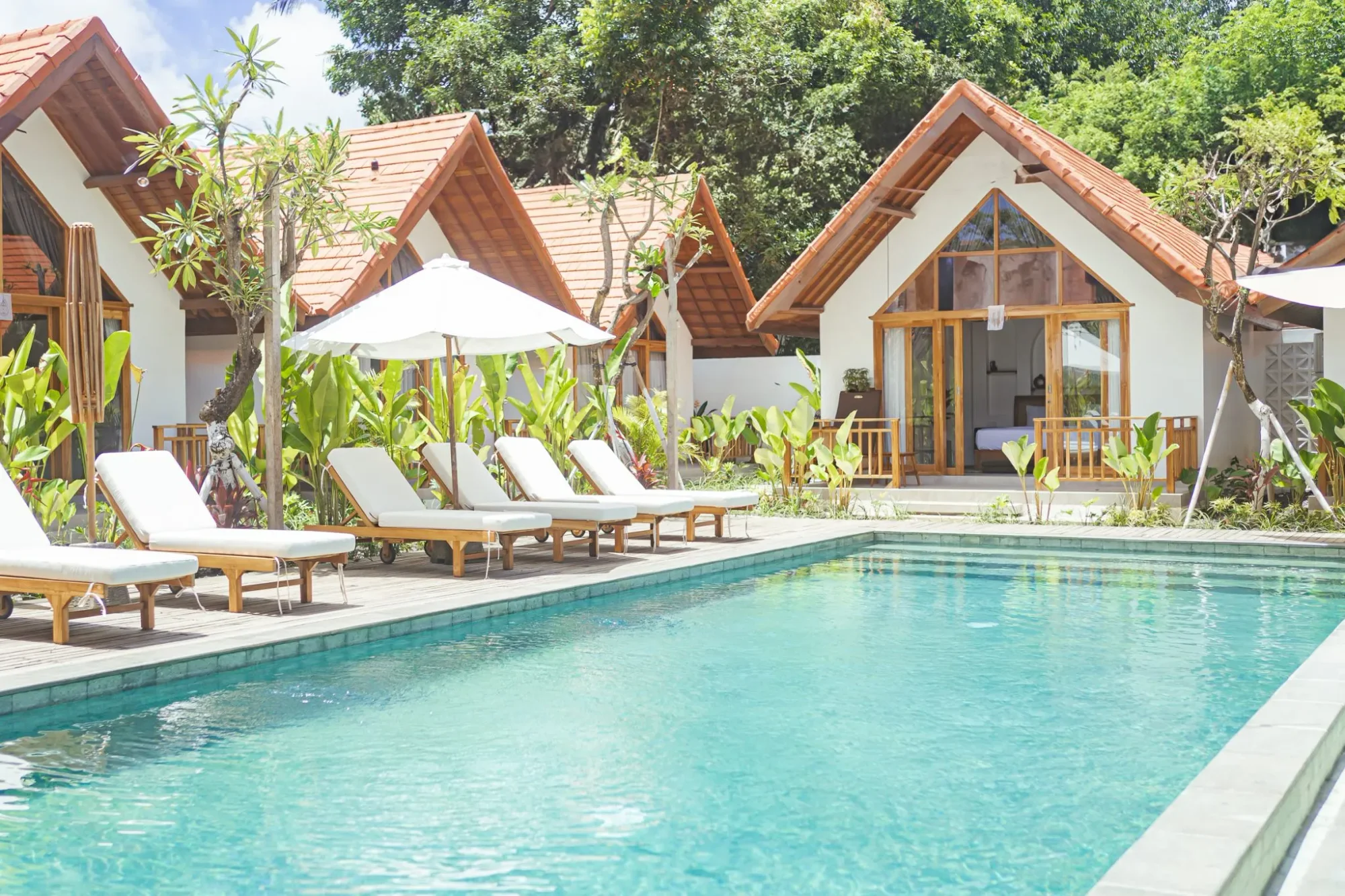
CARI Surf Camp

Sabbit Mentawai Surf Camp
Locally owned surf camp on Nyan-Nyan Island in the Mentawai Islands with traditional uma accommodation for up to 14 guests.