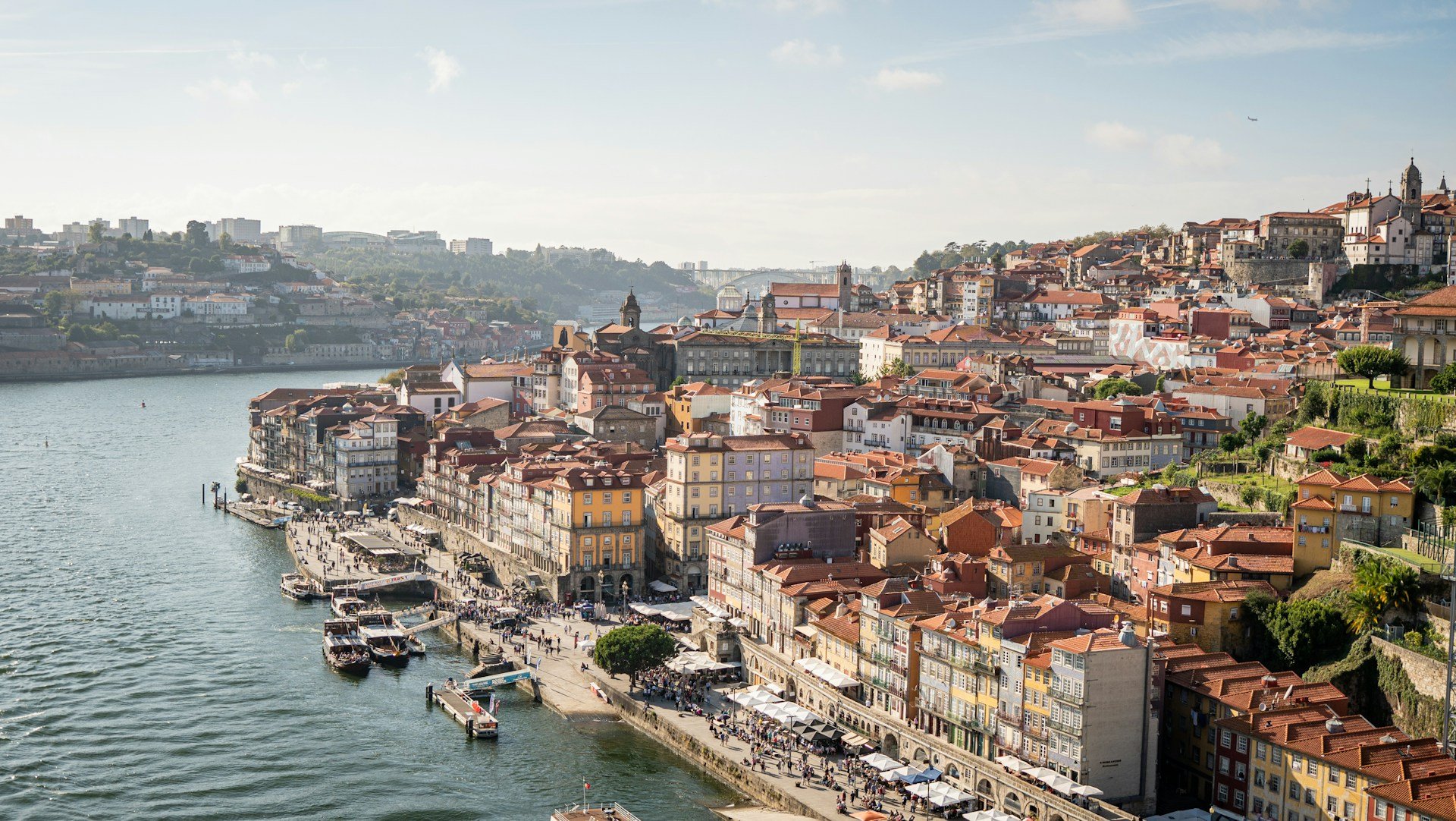
Portugal
Best Time to Surf
Sep to Mar
Wave Types
Skill Levels
Surfing Northern Portugal
The surf around Porto is split between the Costa Verde to the north and the Silver Coast to the south. Beach breaks dominate, with options for all levels in far less crowded waters than southern Portugal. The trade-off: colder water and wilder, less predictable conditions.
Porto itself offers urban surfing at Matosinhos, just a metro ride from the historic center. But the real gems lie further out. The Costa Verde running north to the Spanish border is one of Portugal's most underrated surf regions: lush, green, often shrouded in sea mist, with empty lineups and a wilder feel.
The Silver Coast south of Porto holds famous spots like Espinho and Esmoriz, accessible by train but with more character than the touristy south. If you don't mind colder water and value uncrowded waves over guaranteed sunshine, Northern Portugal rewards exploration.
Surf Culture in Northern Portugal
Northern Portugal maintains a more authentic, less commercialized surf scene.
The local scene:
- Espinho: Most famous northern spot, loyal local crew
- Costa Verde: Empty lineups, discovery-oriented surfing
- Porto: Urban surf culture centered on Matosinhos
Beyond the waves:
- Porto old town: UNESCO World Heritage, port wine cellars
- Douro Valley: Wine country day trips
- Aveiro: "Venice of Portugal" with canals
- Minho region: Green landscapes, traditional villages
The vibe: Less touristy and more authentic than the Algarve or even Ericeira. Northern Portugal attracts surfers who prioritize uncrowded waves over perfect conditions. Expect friendly locals, cheaper prices, and that wild Atlantic feeling.
Best Surf Spots in Northern Portugal
Matosinhos
beginner intermediatePorto's urban surf spot of choice, wedged between a 15th-century castle and a wide breakwater, linked by metro to the city center. Two breaks: protected harbor wall good when elsewhere is blown out, and outer break almost always working but packed with locals. Many surf schools offer lessons here.
Espinho
intermediate advancedArguably the most famous spot in northern Portugal. A heavy, curling tube when working, with overheads bringing zippy walls that barrel from a breakwater going left to right. Loyal locals demand first dibs. Can be flat for days in summer but fires on winter swells.
Esmoriz
intermediateClassic Portuguese beach breaks in a small town tucked between forest-backed sands. Good groundswells bring peaky lefts and rights at different angles. One of the least crowded spots close to Porto. Wedgy and fun with good power.
Estela
intermediateOn the Costa Verde north of Porto, a nicely undeveloped stretch of dune-backed beach. Angles slightly north so can get heavy in winter but stands up well in summer. N or W swells throw all sorts of shapes over the sandbars. Can get rippy; watch lifeguard flags.
Azurara
beginner intermediateA wide arc of sand about 40 minutes north of Porto with regular Atlantic punch. Waves reliable but not Hawaiian quality; onshore common in summer. Good protection from harbor wall on the estuary to the north creates wrap-arounds on big days. Some of the cleanest water around Porto.
Cortegaça
intermediateSmall village linked to Porto by direct train, surrounded by pine forests and sandy dunes. Wide beach with classic northern Portuguese breaks: big bombing beach breaks that are unsurfable over 8 feet but neat A-frames under 5 feet with offshore winds.
Leça da Palmeira
intermediate advancedChanges dramatically with swell size. Over 1.5 meters and big barrels bomb off the harborside on the south end of the beach. Smaller and the beach break comes into play with varying quality. Some say pollution is bad here; mostly a spectator spot on bigger days.
Northern Portugal Surf Conditions
Weather
Colder and wilder than southern Portugal, but consistent.
Peak Season (October-April):
- Powerful Atlantic swells arrive regularly
- Can be very big; some days unsurfable over 8 feet
- Air temps 8-14°C, water 13-15°C
- Bring thick rubber
Summer (May-September):
- Smaller, more manageable swells
- Onshore winds common; mornings best
- Water 16-18°C
- Good for beginners at protected spots
Water Conditions
What to bring:
- 5/4mm or 4/3mm wetsuit: Winter months
- Hood and gloves: Recommended Dec-Mar
- 3/2mm wetsuit: Summer only
Hazards to know:
- Cold water: Colder than anywhere else in Portugal
- Fog: Sea mist common, especially mornings
- Rips: Strong on bigger days
- Pollution: Some issues at urban breaks like Leça
How to Get to Northern Portugal
Airports:
- Porto (OPO): Main gateway, excellent European connections
- Lisbon (LIS): 3 hours drive
Getting around:
- Train: Direct connections to Espinho, Esmoriz, Aveiro
- Car: Essential for Costa Verde exploration
- Matosinhos: Metro from Porto city center
Base options:
- Porto: Urban base, metro to Matosinhos
- Espinho/Esmoriz: Dedicated surf towns on Silver Coast
- Estela: Costa Verde base with excellent surf camp
Surf Camps in Northern Portugal
Surf Camps
View all →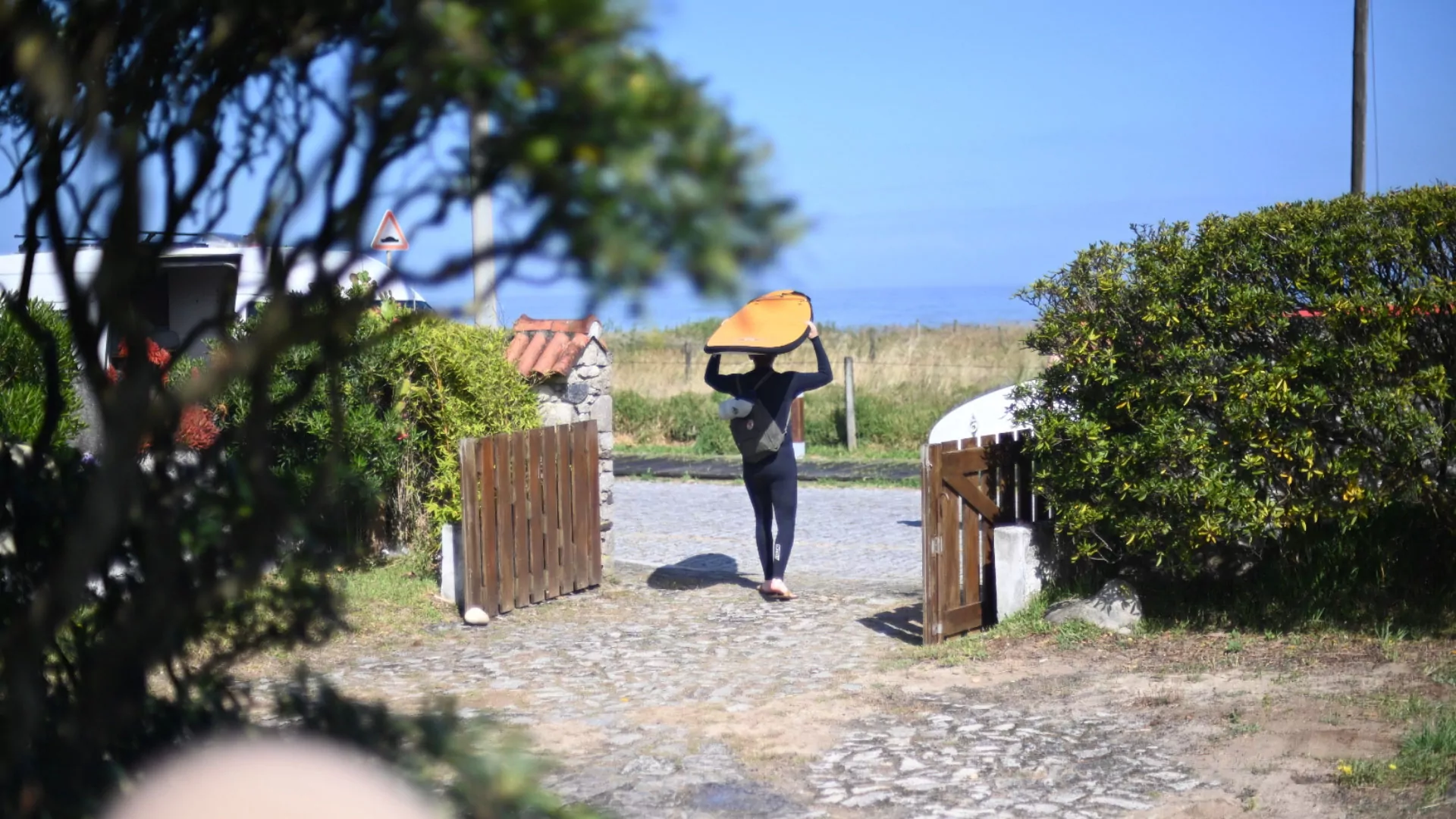
Goodtimes Surfcamp
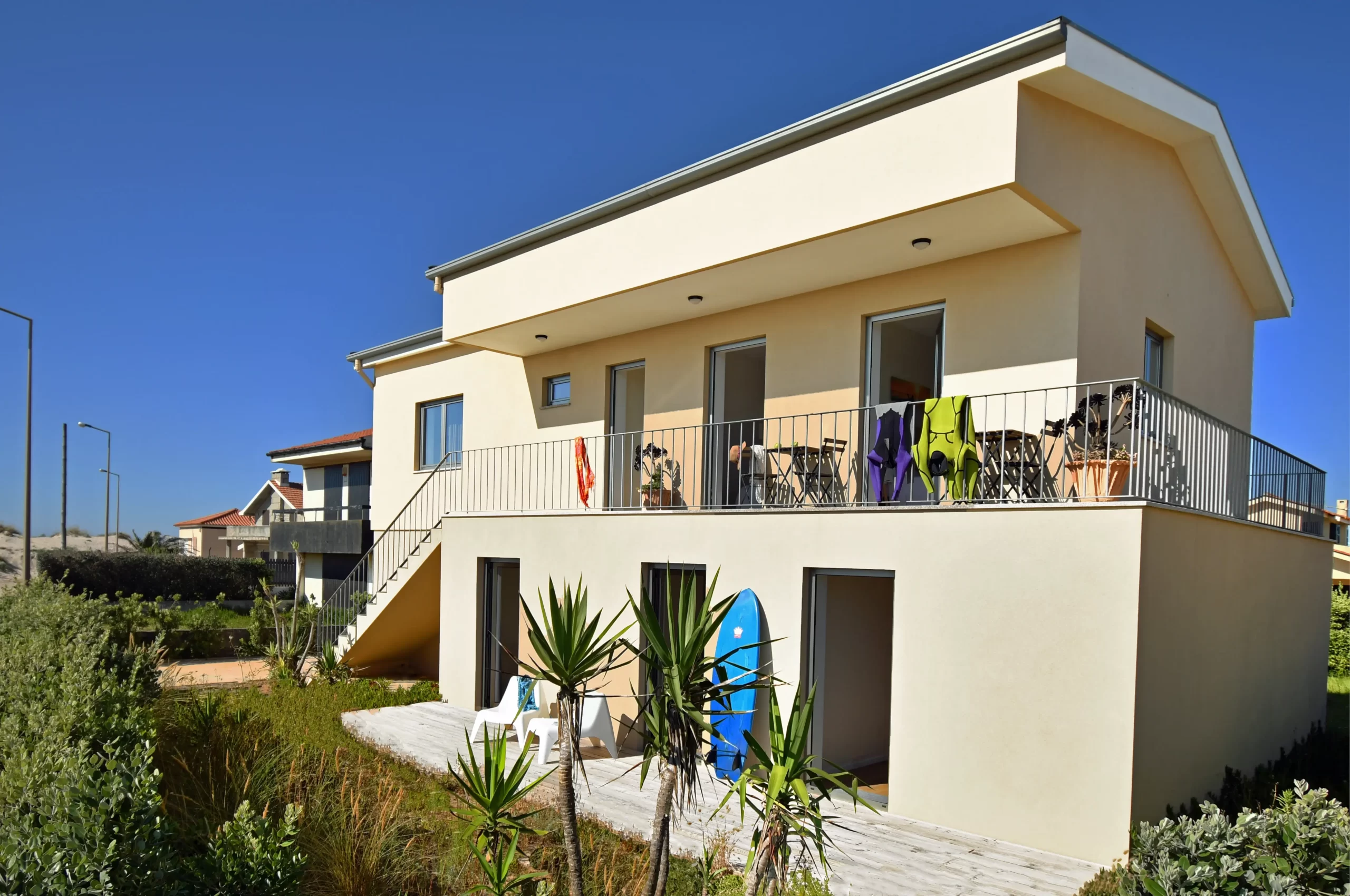
Surfivor Surf Camp

Wave Nest Surfcamp
Glamping comfort, surf camp soul
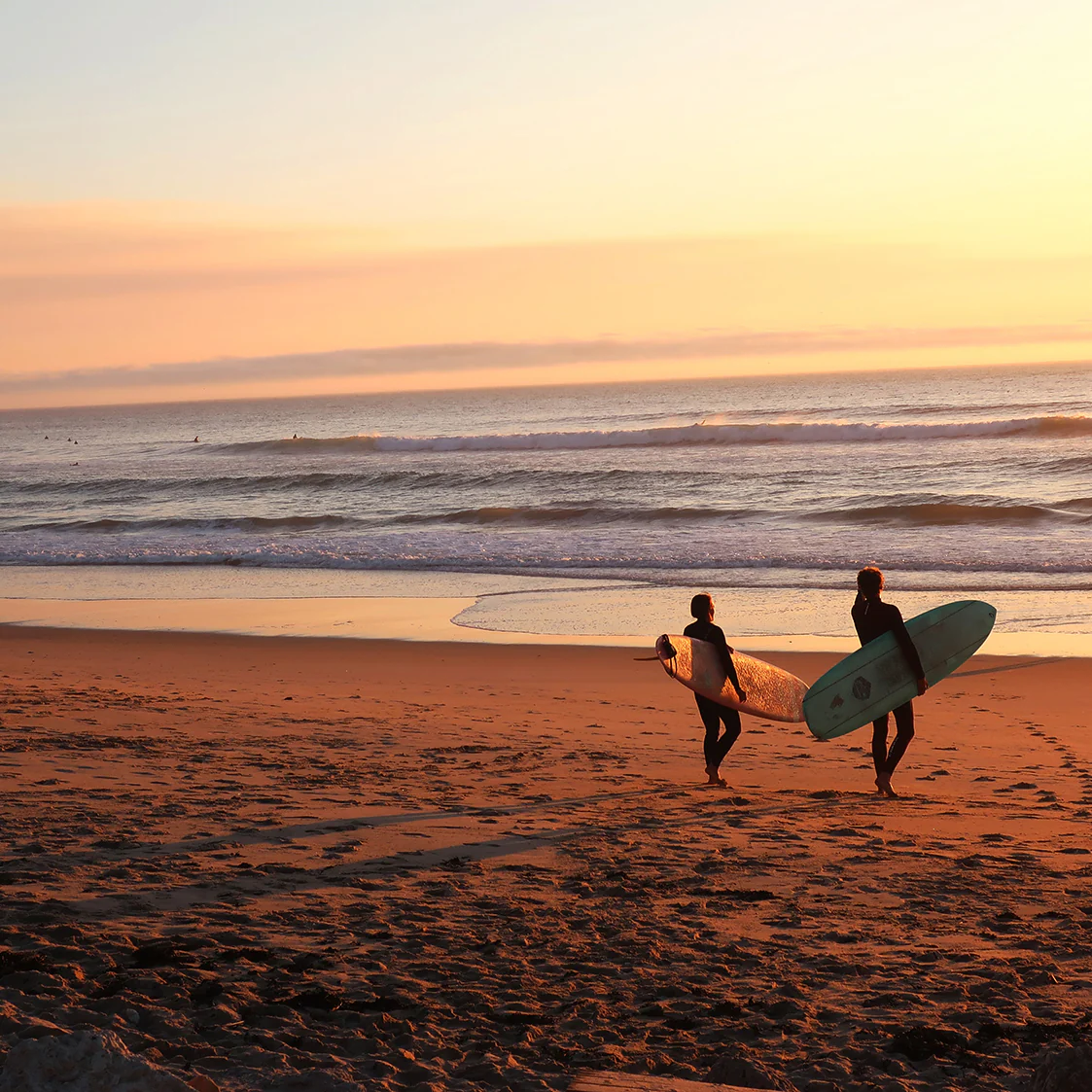
ElementFish Kite & Surf Camp
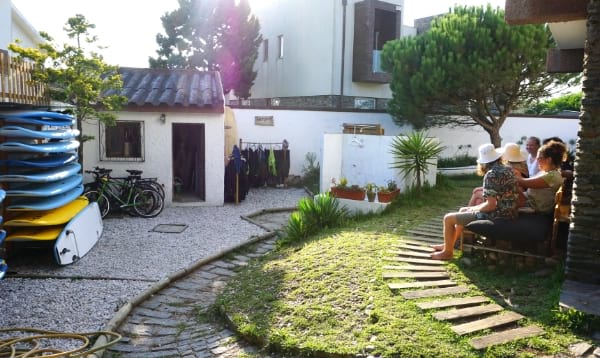
LUHU Surf Camp
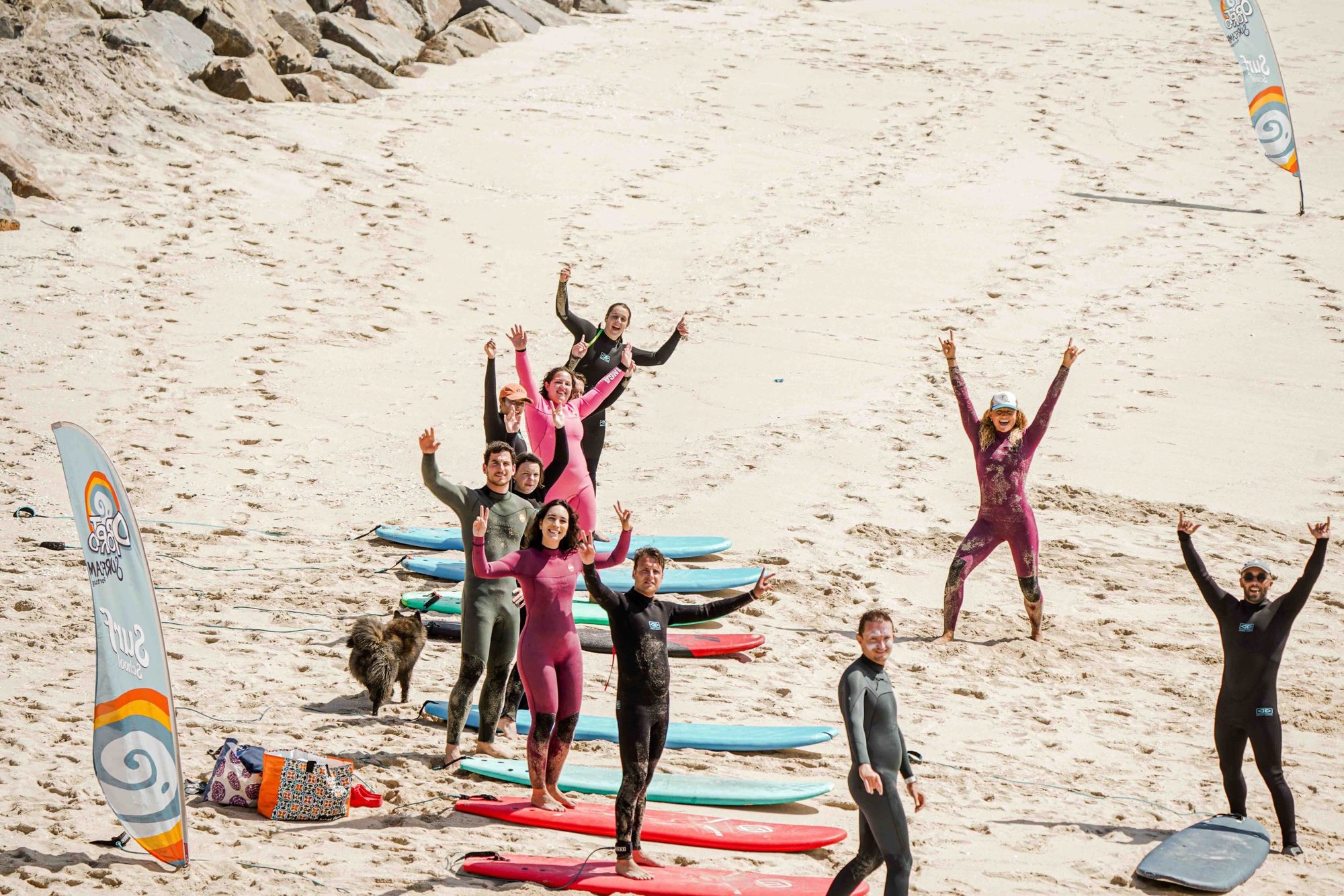
Oporto Surf Camp
Rapture Surfcamp Milfontes
Surf meets sustainable soul

Sea Natives Surf Camp
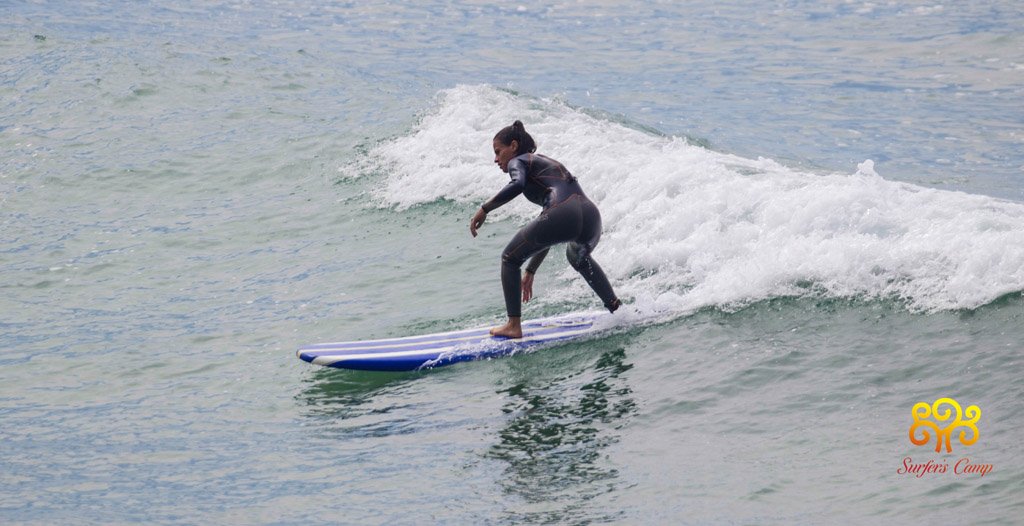
Surfer's Camp

Alentejo Surf Camp & Villa
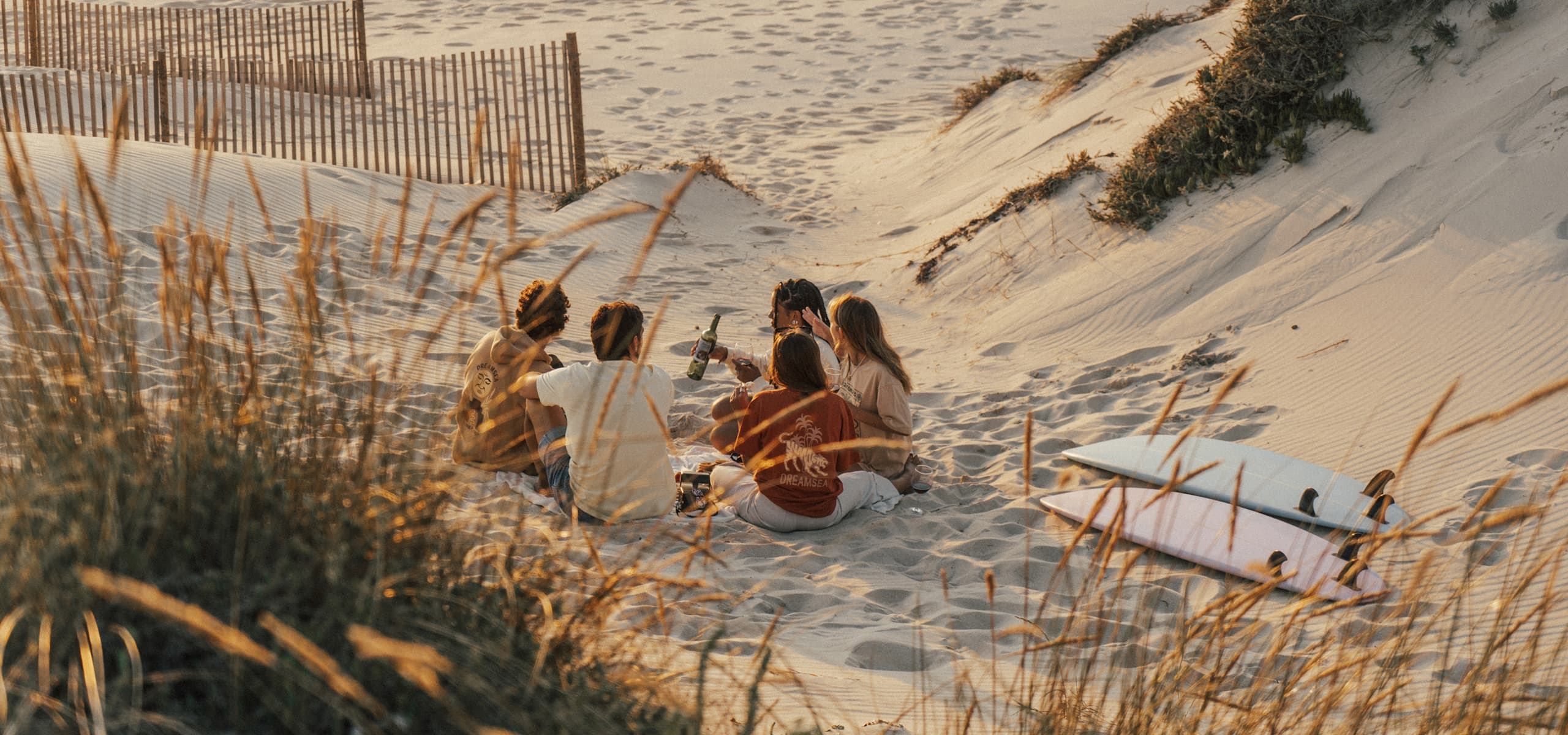
Dreamsea Surf Camp Portugal Centro
Contact for packages
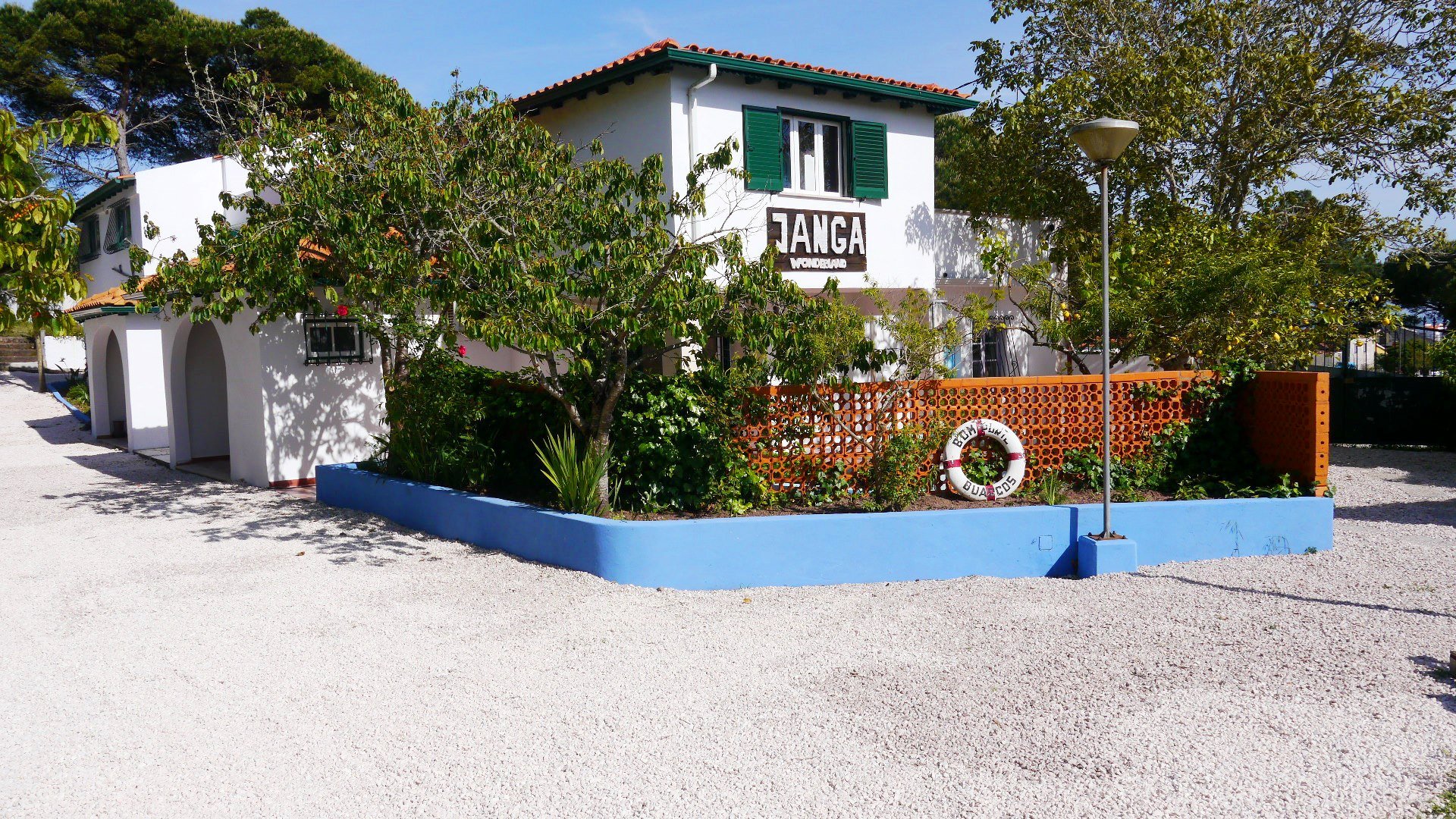
Janga Surfcamp
Slide Surfcamp

Foz Surfcamp
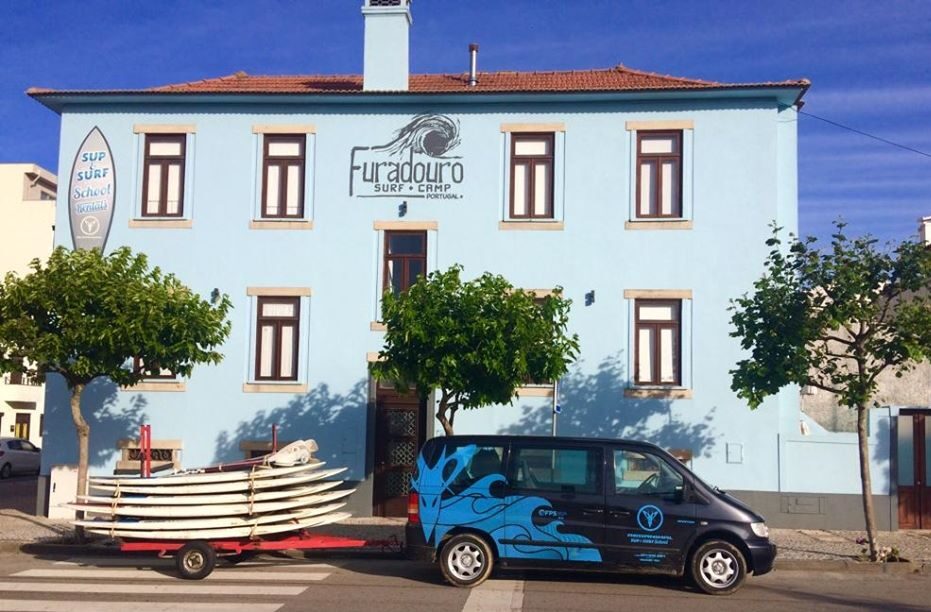
Furadouro Surf Camp
Your own space by the sea
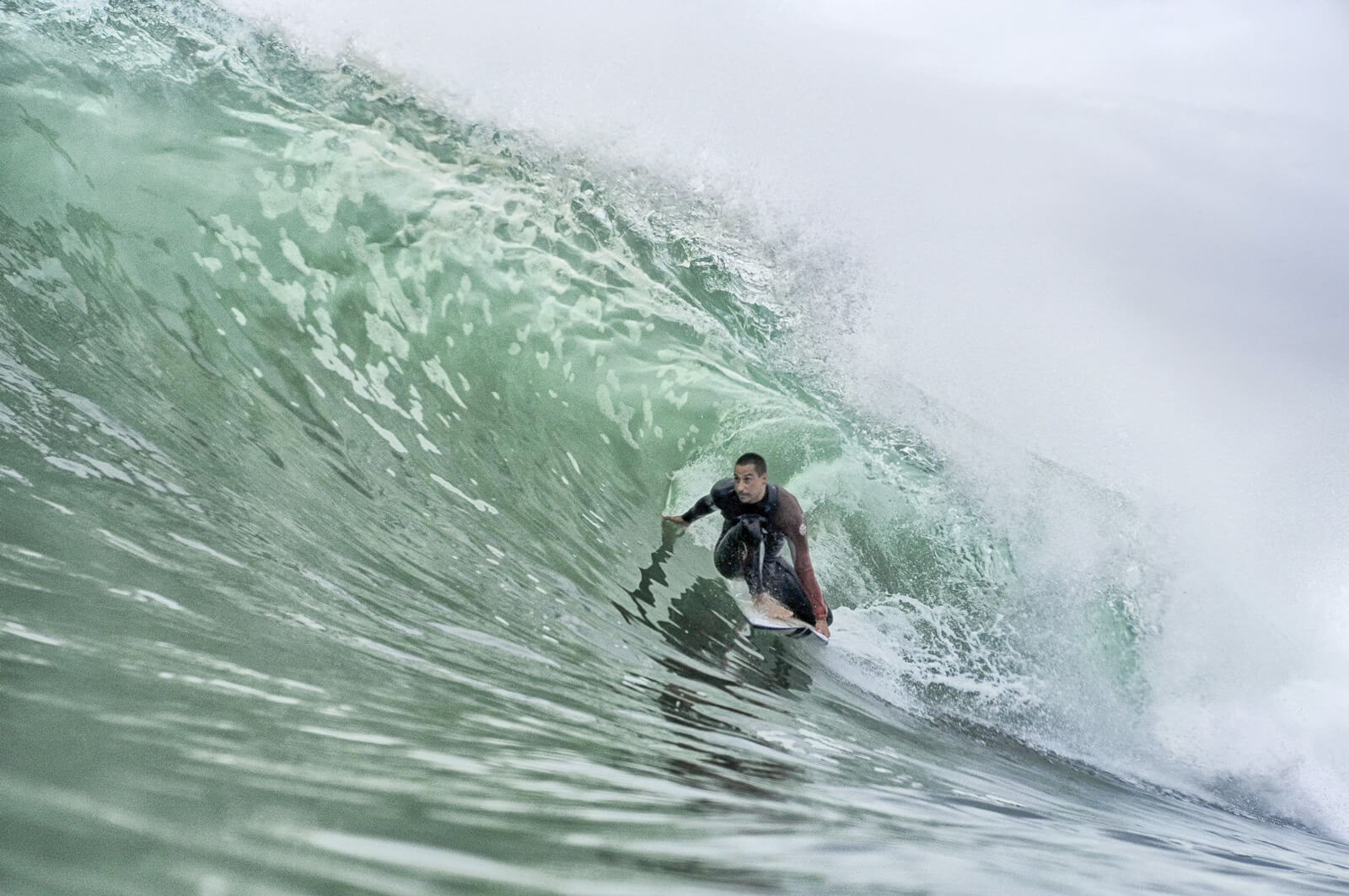
Golden Waves Surf Lodge
More Surf Regions in Portugal
- Ericeira – Europe's first World Surfing Reserve, 65+ breaks
- Peniche – Home to Supertubos, Europe's most iconic barrel
- Lisbon & Cascais – Urban surfing meets world-class capital city
- Algarve – Two coastlines, dramatic cliffs, 300 days of sunshine
- Madeira – Volcanic reef breaks for experienced surfers