Portugal
Best Time to Surf
Oct to Apr
Wave Types
Skill Levels
Surfing Algarve & South Portugal
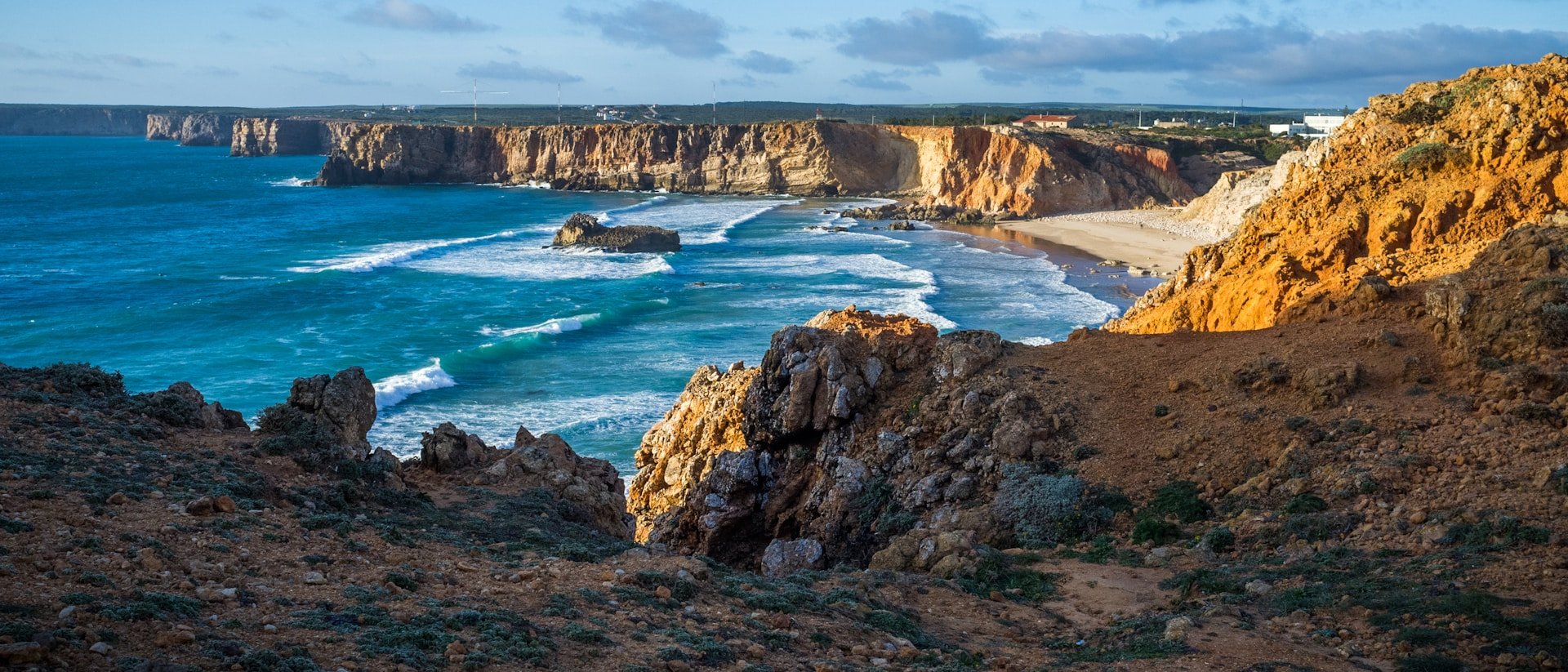
The Algarve offers something unique in Portugal's surf landscape: two distinct coastlines creating options for every condition. The wild west coast faces the full force of the Atlantic with heavy, consistent swells and dramatic cliff-backed beaches. The sheltered south coast catches winter NW swells that wrap around Cape St. Vincent, providing refuge when the west is maxing out.
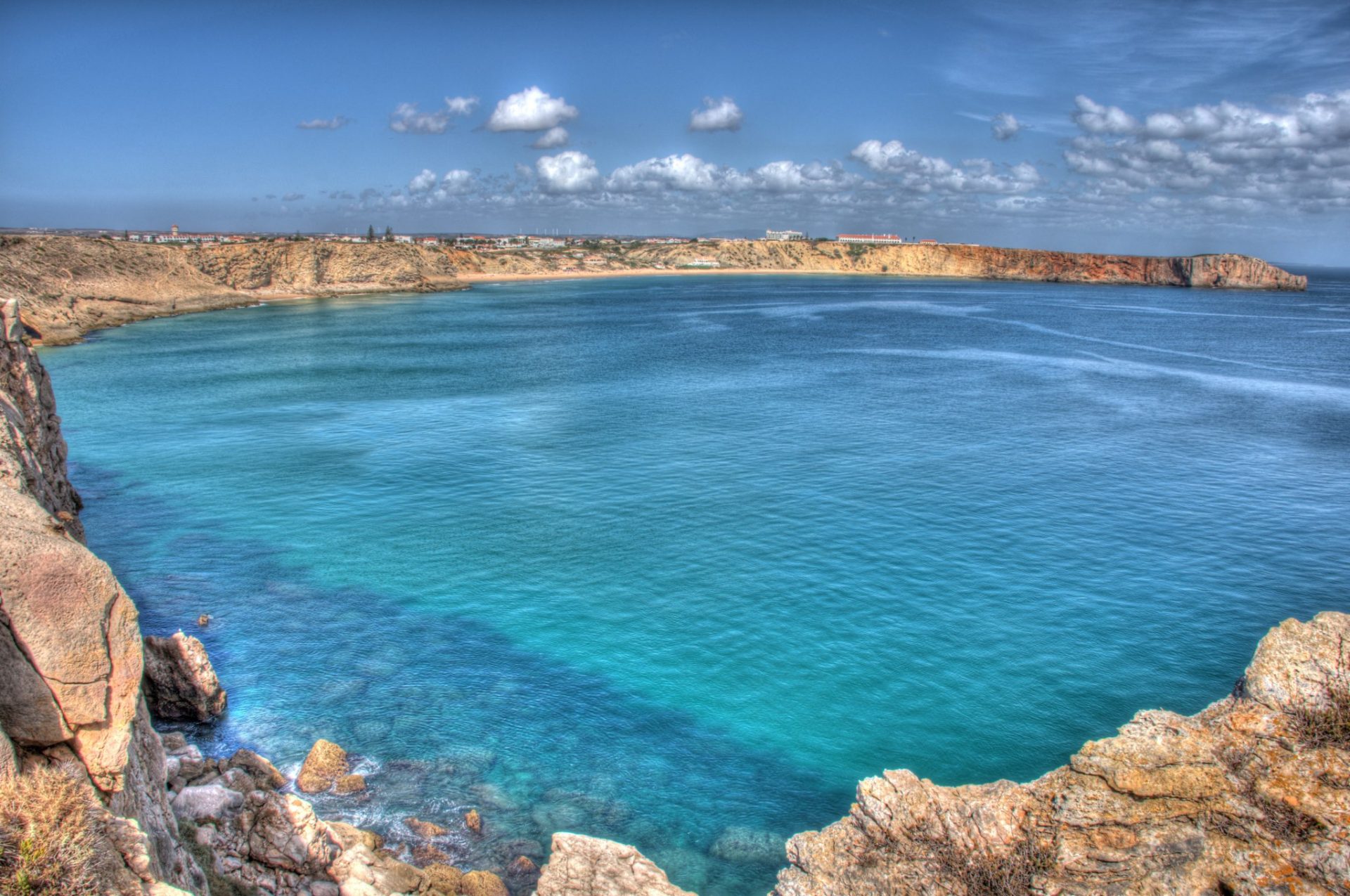
Sagres sits at the tip where these two worlds meet, earning its title as the Algarve's surf capital. From here, you can check both coasts in minutes, chasing the best conditions. The west offers powerful beach breaks at Praia do Amado, wedging barrels at Beliche, and long lefts at Carrapateira's cliffs. The south delivers the region's best barrel at Zavial when winter swells push through.
Beyond the waves, the Algarve combines surf with stunning scenery and authentic Portuguese villages. Towns like Aljezur and Lagos maintain their cobblestone charm while catering to the surf community. Whether you're learning on summer beach breaks or hunting winter barrels, the Algarve delivers with 300+ days of sunshine.
Surf Culture in Algarve, Portugal
The Algarve has developed a distinct surf culture that balances international travelers with local communities.
The local scene:
- Sagres: The surf capital with schools, camps, and nightlife
- Aljezur: Charming Moorish town under a castle, gateway to west coast breaks
- Lagos: Cobblestone streets, old churches, and good nightlife as an autumn/winter base
Beyond the waves:
- Cape St. Vincent: Europe's southwestern tip with dramatic sunset views
- Lagos old town: Historic center with excellent restaurants and bars
- Wine country: Alentejo region nearby for day trips
- Dramatic cliffs: Some of Europe's most photogenic coastline
The vibe: More laid-back than Ericeira or Peniche. The Algarve attracts a mix of serious surfers hunting winter swells and summer travelers combining surf with beach holidays. Villages remain authentic despite tourism, and the pace is slower. Expect stunning sunsets, fresh seafood, and 300+ days of sunshine.
Best Surf Spots in Algarve & South Portugal
Praia do Amado
beginner intermediateA genuinely fantastic beach break that picks up lots of swell thanks to its NW orientation. Can range from mellow log waves with fat walls to big freight train rights. Holds up to 12 feet. Popular with surf schools in summer but has real attitude when swells push through. Some underwater rocks invisible at low tide.
Arrifana
beginner intermediateTwo distinct breaks in one beautiful bay. The reliable beach break works for schools and intermediates with consistent peaks. The harbor reef break is a challenging right over cobblestone bottom, expert-only with a strong local crew. Summer ideal for learning; reef fires on bigger swells.
Zavial
advancedArguably the single best wave in south Algarve. A right-hand barrel that goes off on huge NW winter swells wrapping around Cape St. Vincent. Heavy localism on the main peak. The long beach section 200m away has nice A-frames on mid-sized swells with none of the localism.
Beliche
intermediate advancedOne of the classiest waves in the whole region and the only proper wedge in the Algarve. Huddled under dramatic cliffs with super-fun shapes that hollow out on bigger days. Works best at lower tides. A step up from beach breaks but not as heavy as Zavial.
Tonel
intermediateOne of three workable beaches in Sagres, the Algarve surf capital. Intermediate-friendly beach break that picks up more swell than south-facing beaches. A go-to spot for Sagres-based surfers with reliable conditions. Can get crowded with multiple camps in the area.
Carrapateira (Bordeira)
intermediate advancedA huge, long, wide, swell-sucking beach with multiple peaks. The cliffs at the south end fire off some of the best lefts in the region on bigger swells. Beach section works for beginners in summer. Gold-white sand backed by a wiggling river creates a stunning setting.
Castelejo
beginner intermediateA seriously gorgeous place to surf near Vila do Bispo. Can be a super-nice beginner A-frame with small practice waves, or a heavy spot with steep rights and lefts when swells push through. Mainly sand with some rocks. Summer beginner-friendly; autumn/November brings more size.
Odeceixe
beginner intermediateWhitewashed town above a beach with good rivermouth waves and high consistency. Works for beginners to intermediates depending on swell. Can close out on bigger days. The rivermouth creates sandbars that shape the peaks. Northern gateway to the Algarve surf zone.
Ponta Ruiva
advancedA pretty epic wave when it works: a long left-hand point coming off jagged rocks. Prefers SW swells; works on NW but heavier and sectionier. Patchwork rock and loose cobble bottom, shallow at low tide. Difficult dirt track approach. Worth the effort for quality lefts.
Praia da Luz
beginner intermediateBeach near Lagos with two point breaks (left and right) around the Rocha Negra rock. Holds up to 5 feet. Good option when west coast is too big. Family-friendly setting with town amenities. Short drive from Lagos.
Algarve Surf Conditions
Weather
The Algarve is Portugal's sunniest region with mild temperatures year-round.
Peak Season (October-April):
- Consistent NW Atlantic swells fill both coasts
- West coast gets heavy, powerful surf
- South coast catches wrapped swell on bigger days
- Air temps 12-18°C, water 15-17°C
Summer (May-September):
- Smaller swells but still surfable
- Ideal for beginners on beach breaks
- 300+ days of sunshine
- Water 19-22°C, air 25-30°C
Two coastlines advantage:
- West coast: Faces Atlantic, consistent year-round, heavier waves
- South coast: More sheltered, catches winter swell wraps, warmer water
Water Conditions
Warmer than northern Portugal but still requires wetsuits most of the year.
What to bring:
- 4/3mm wetsuit: October through April
- 3/2mm wetsuit: Summer months (some go shorty in August)
- Reef booties: Useful for rocky entries at some spots
Hazards to know:
- Rocks: Many spots have underwater rocks, especially at low tide
- Localism: Strong at premium spots like Zavial's main peak
- Cliffs: Some beaches have tricky access down steep paths
- Currents: Can be strong on bigger days
How to Get to Algarve, Portugal
The Algarve has its own international airport making access straightforward.
Airports:
- Faro (FAO): Main Algarve airport, many European connections
- Lisbon (LIS): 3 hours drive, more international options
Getting around:
- Rental car essential: Spots spread across 100+ km of coast
- Sagres to Lagos: 30 minutes
- Sagres to Aljezur: 40 minutes
- West coast access: Requires driving on smaller roads
Base options:
- Sagres: Best for accessing both coasts
- Lagos: Good nightlife, 30 min to west coast
- Aljezur: Closest to west coast breaks
Surf Camps in Algarve & South Portugal
Surf Camps
View all →
Deluxe Surfhouse Algarve
Soul & Surf Portugal
Algarve Watersport School and Camp
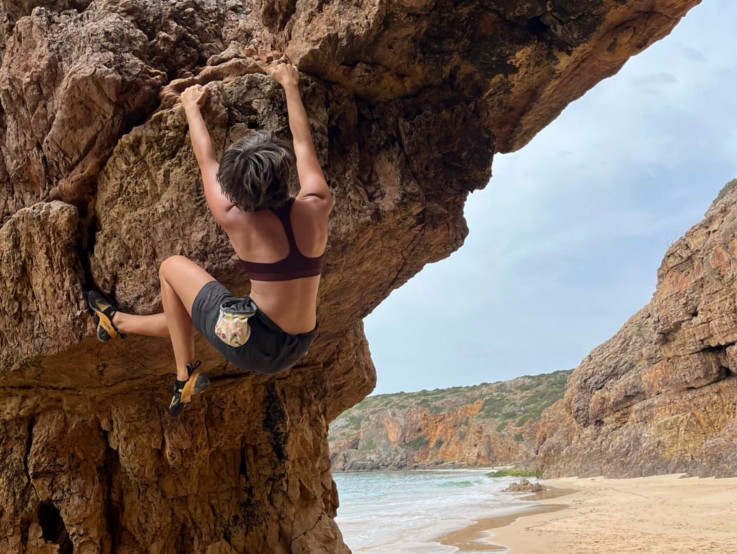
Climb & Surf Camp Algarve
Jho'La Surf Camp
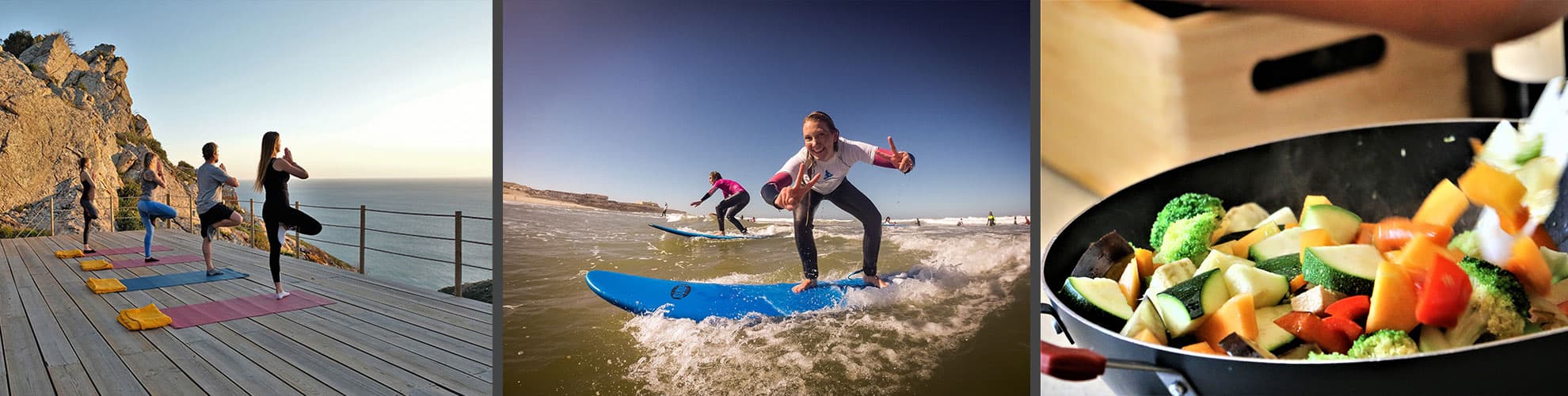
Karma Surf Retreat - Algarve
Lapoint Surf Camp Alentejo
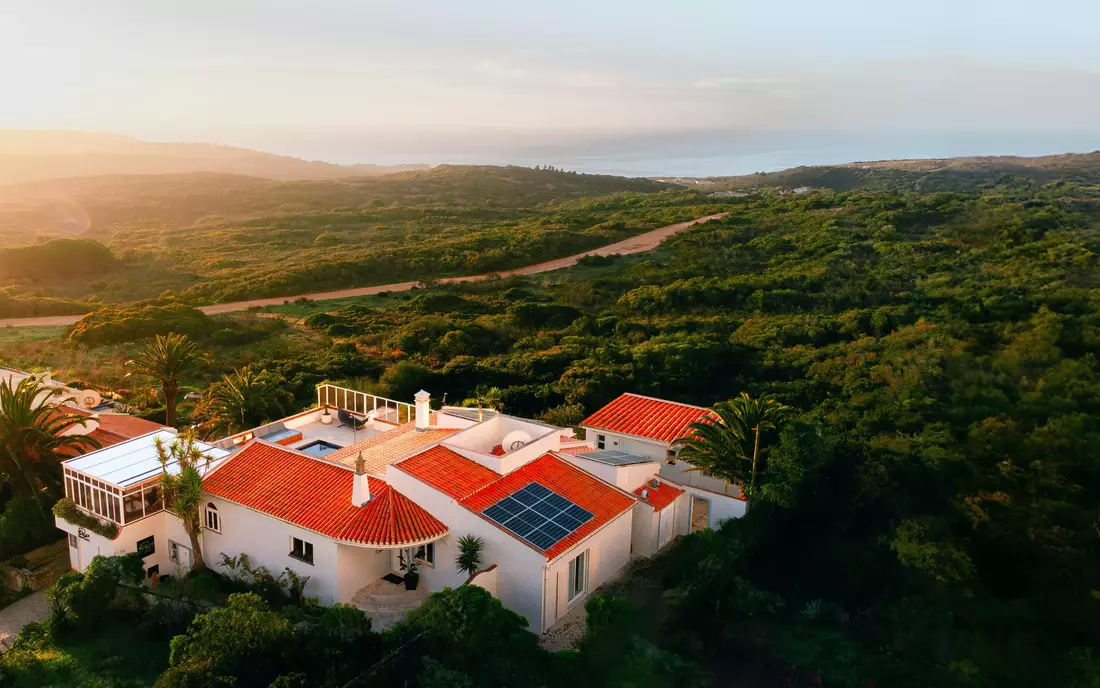
Pure Surfcamps Surflodge Portugal
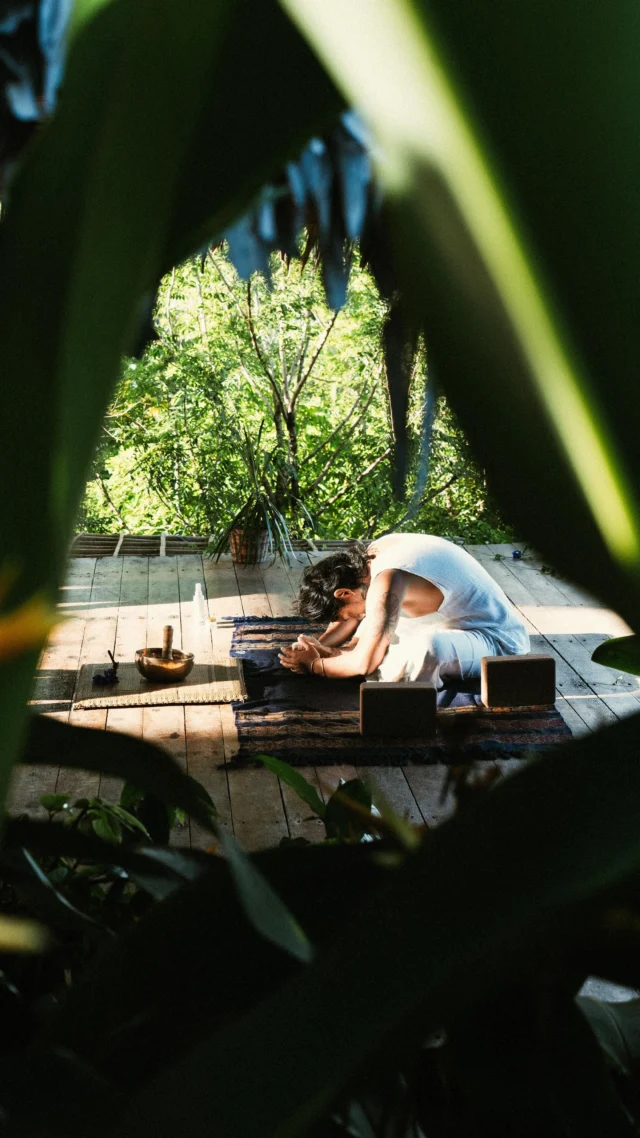
Surf & Yoga Retreats Portugal
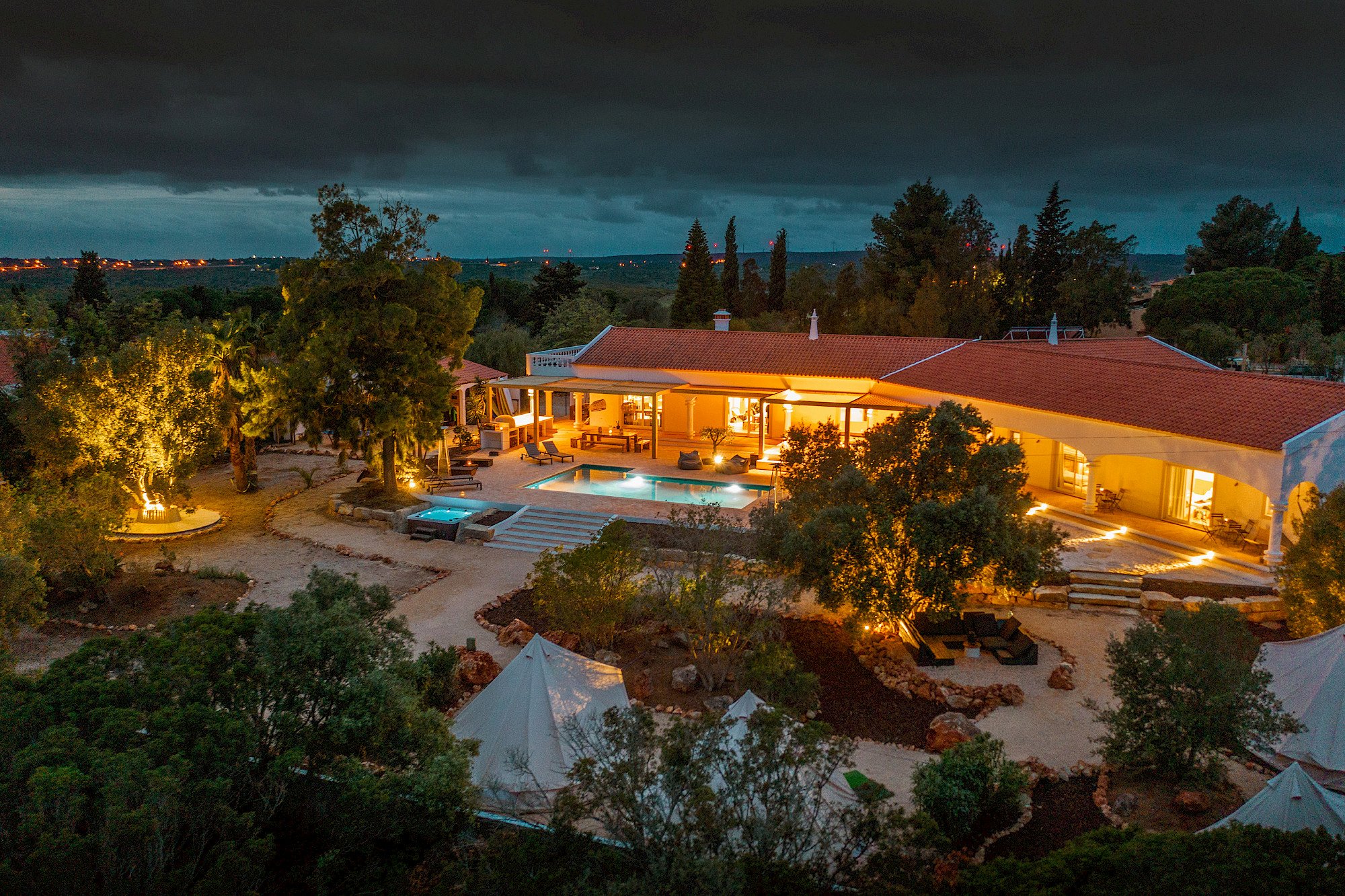
Tiny Whale Surf Lodge
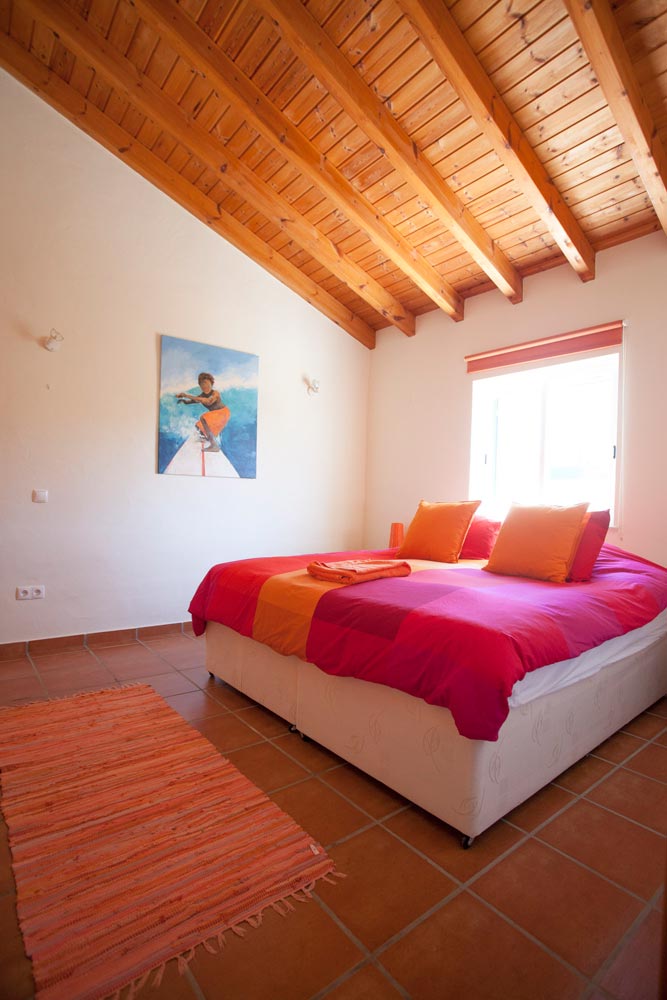
Arrifana Surf Lodge
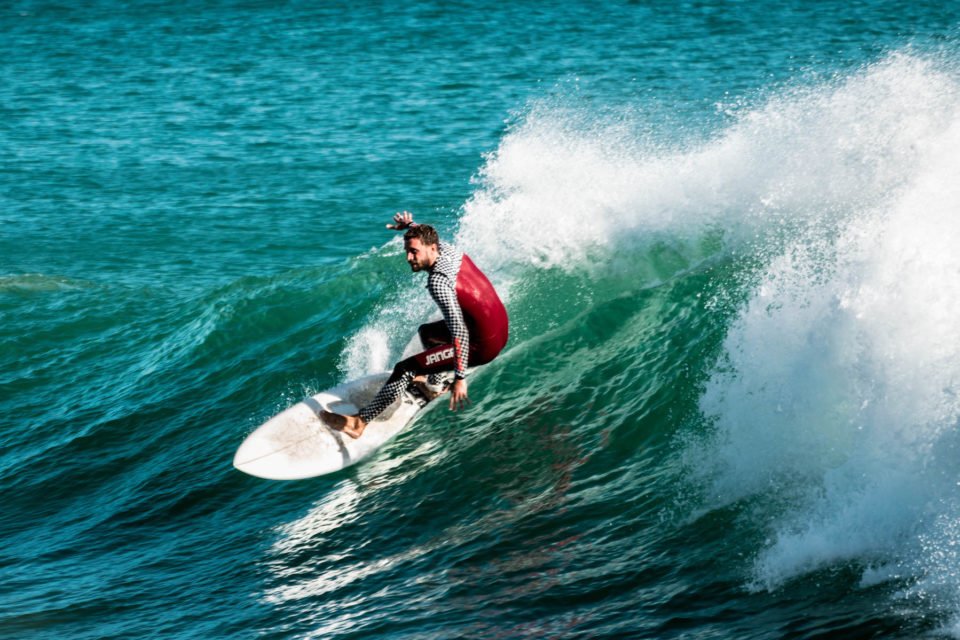
TSE
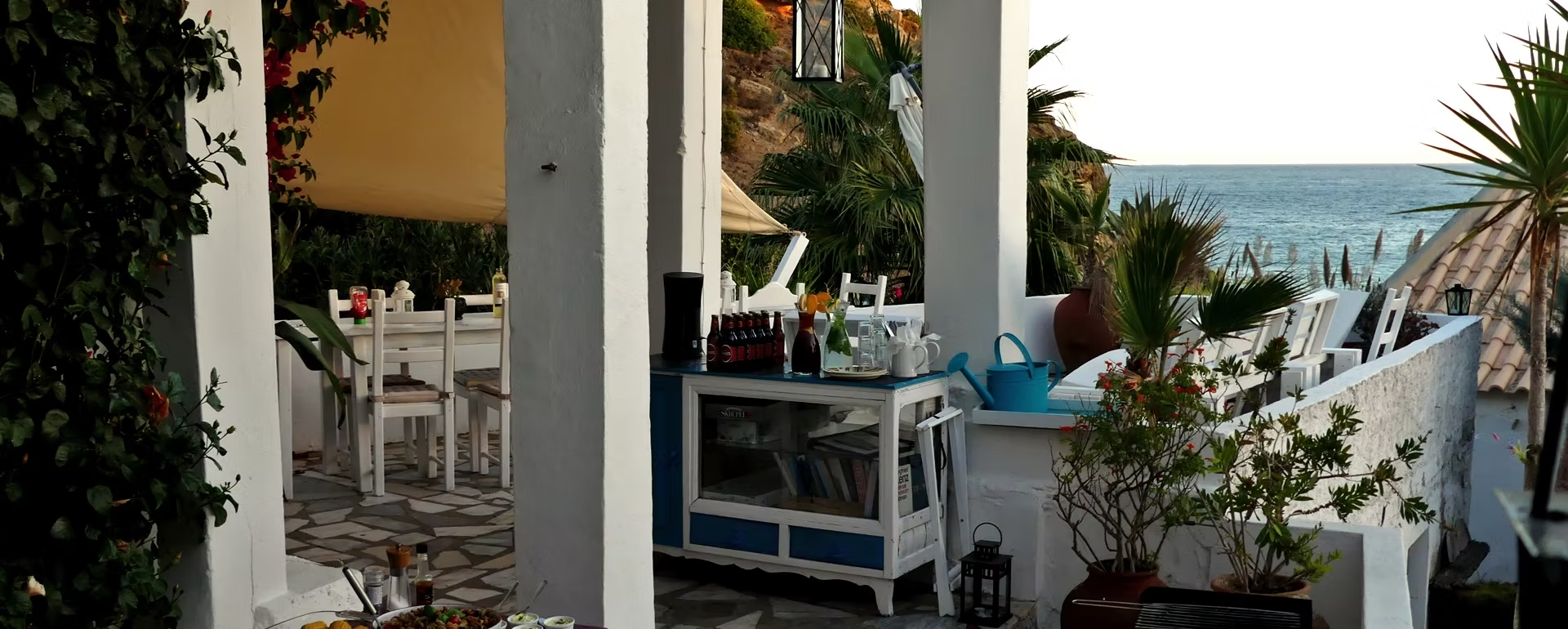
Wave Culture Algarve
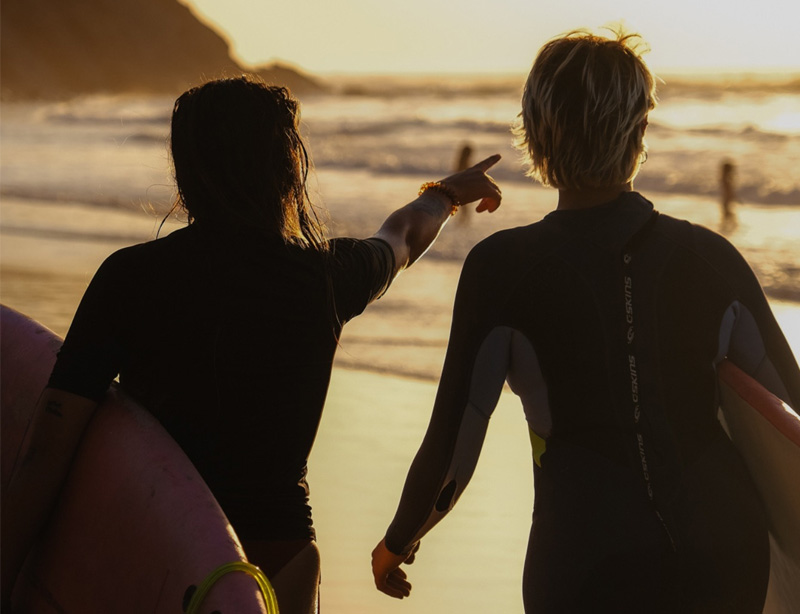
Wavy SurfCamp
Algarve Adventure Surfcamp
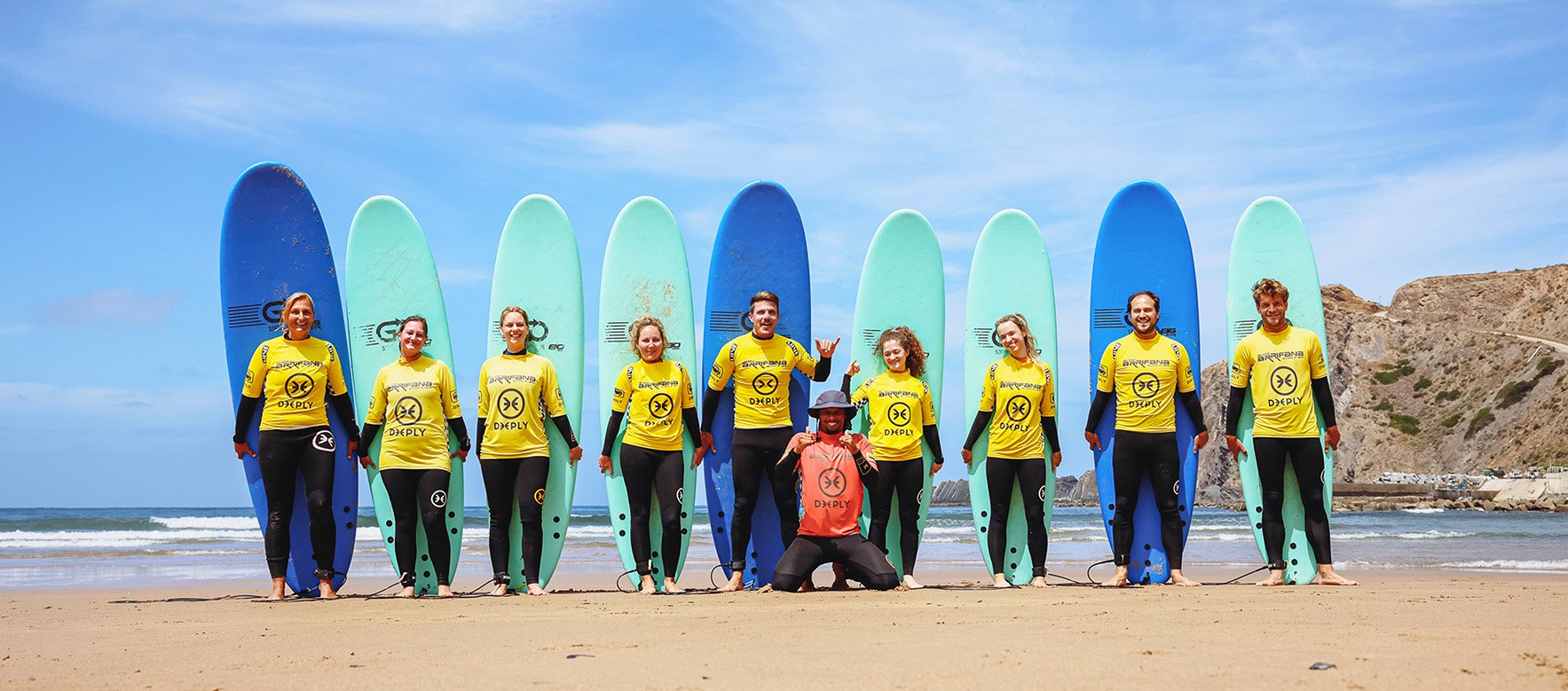
Arrifana Surf School & Camp
Dreamsea Surf Camp Alentejo
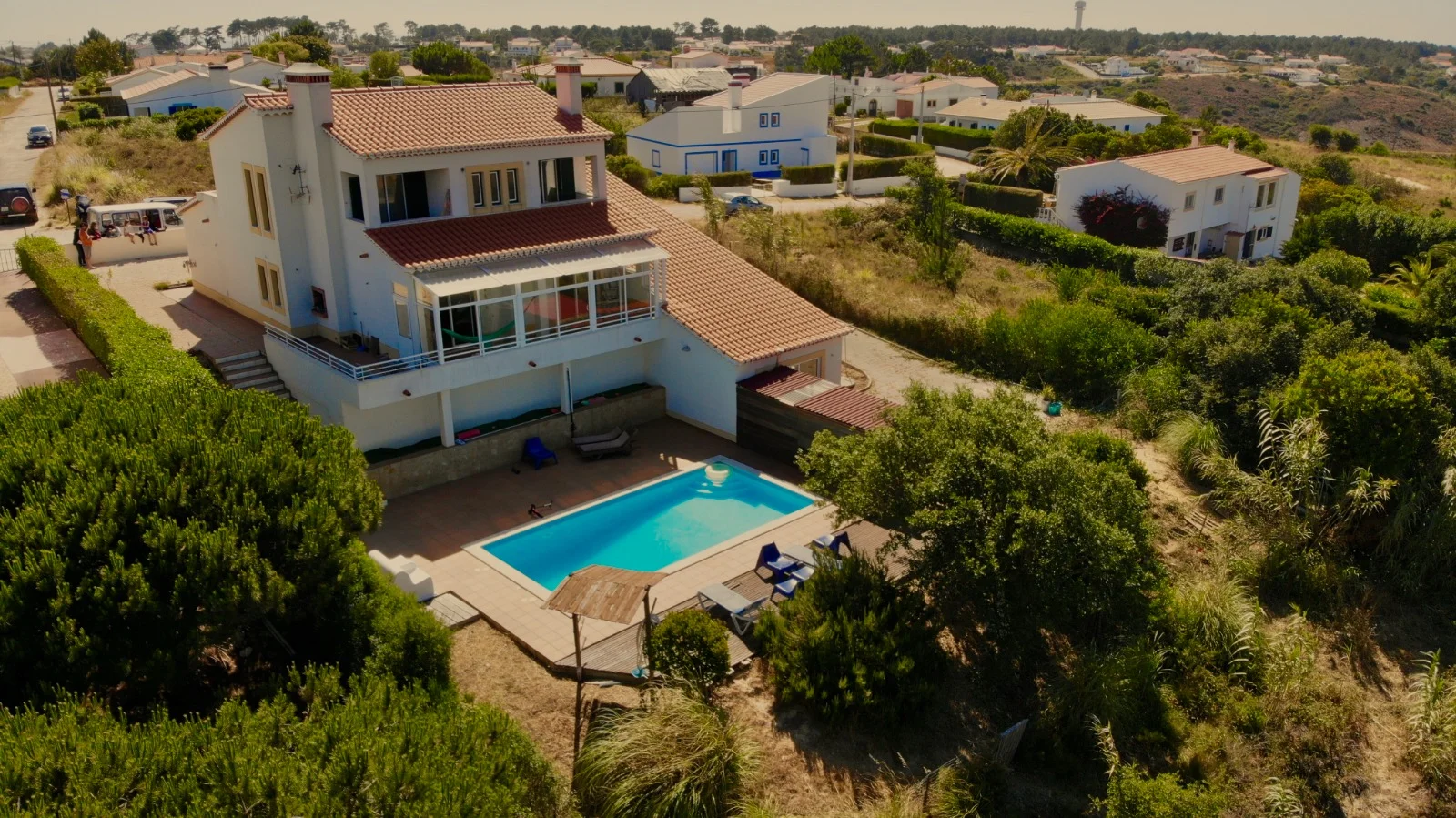
Mayla Surf House
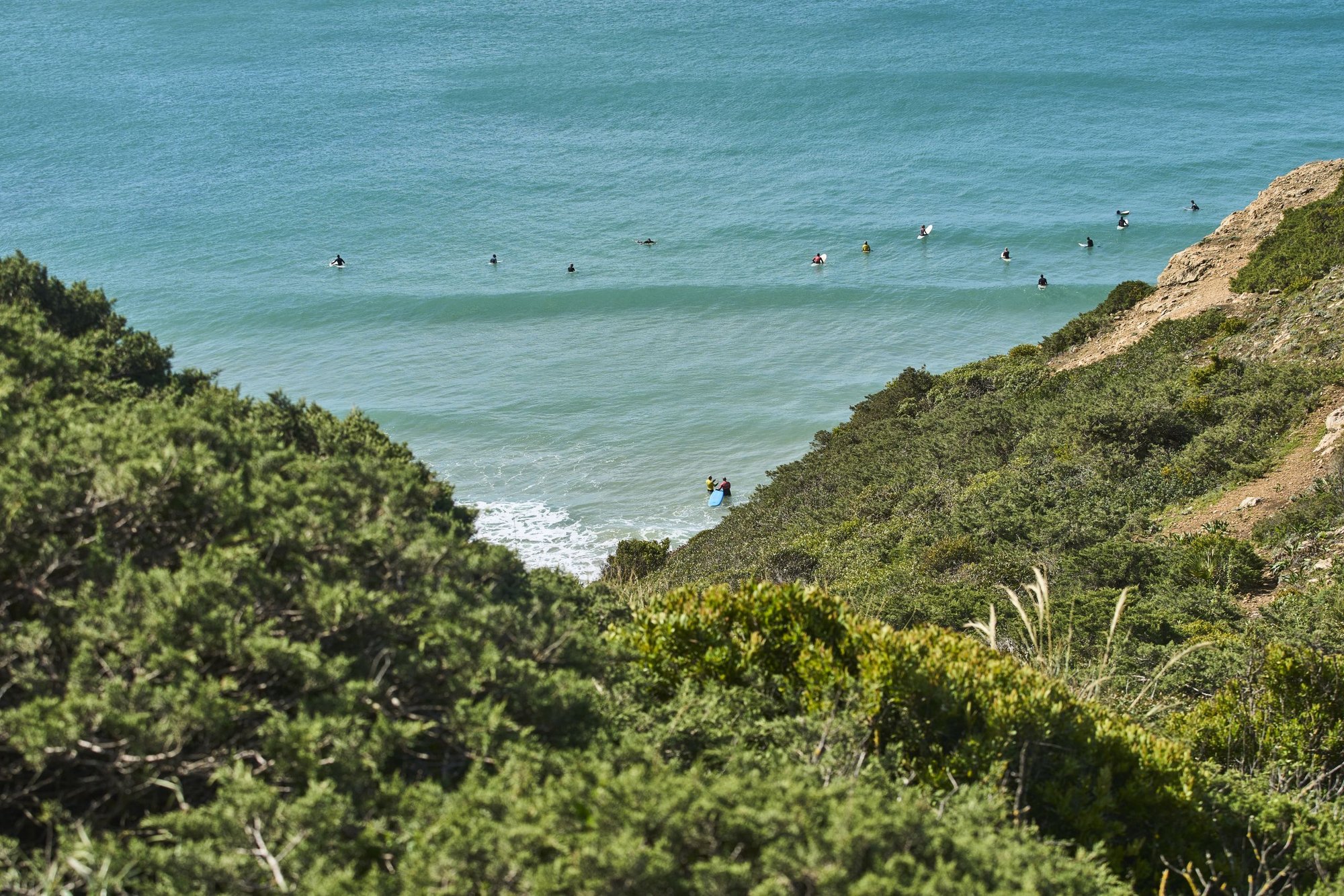
Sagres Natura Surf Camp & Hostel
MissionToSurf Portugal
Algarve Surf School
Funride - Surfcamp Algarve
Oasis Surfcamp Portugal
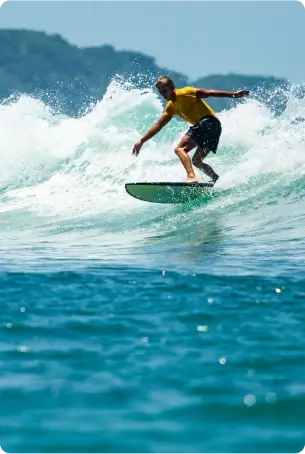
Sagres Sun Stay
Good vibes in a National Park
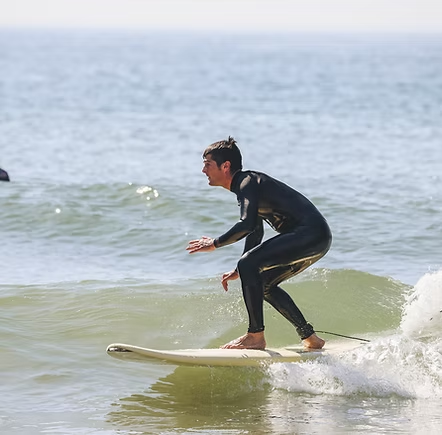
The Surf Experience
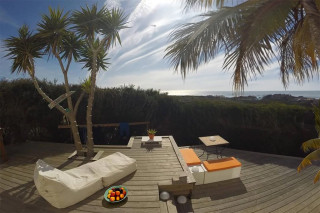
Beach Hut Arrifana
More Surf Regions in Portugal
- Ericeira – Europe's first World Surfing Reserve, 65+ breaks
- Peniche – Home to Supertubos, Europe's most iconic barrel
- Lisbon & Cascais – Urban surfing meets world-class capital city
- Northern Portugal – Uncrowded waves, Porto wine country, wild Atlantic
- Madeira – Volcanic reef breaks for experienced surfers