Indonesia
Best Time to Surf
May to Aug
Wave Types
Skill Levels
Surfing Java, Indonesia
Surfing in Java is about much more than just the world-class tubes of G-Land. Beach breaks, points, and epic reefs abound here, plus upcoming beginner locations like Batu Karas that just about everyone loves.
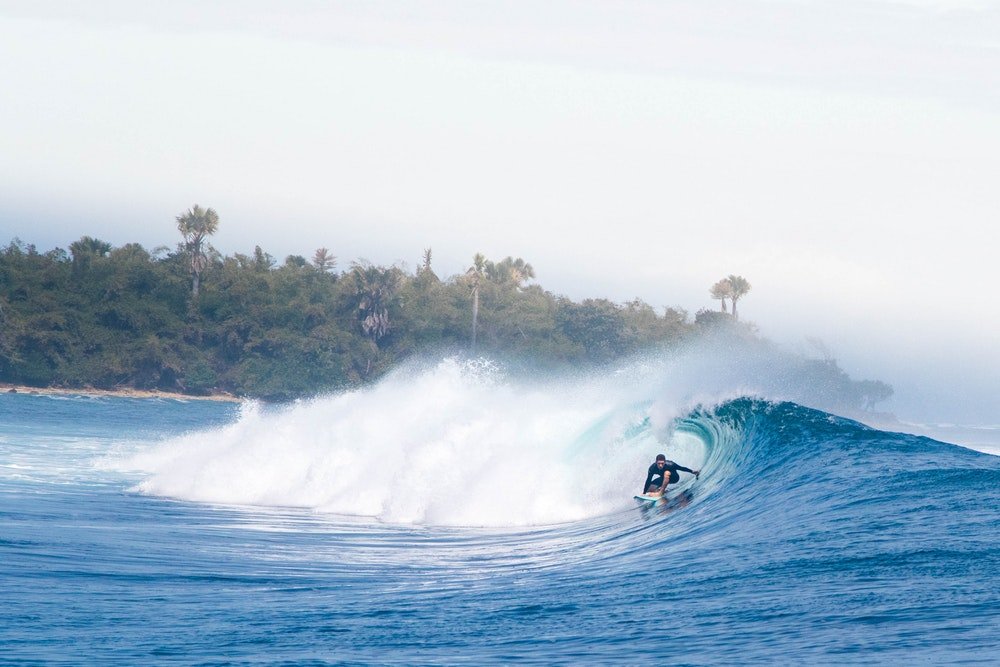
G-Land has singlehandedly placed Java up there with the Mentawais and Bali among the top Indonesian surf regions. A series of eight separate named breaks string along the coastline of East Java, deep in the confines of the wild Alas Purwo National Park. The setting is sublime: jungle to the back, open ocean to the front. Swells funnel out of an underwater canyon about 8.5 miles offshore, hitting the reef shelf perfectly during the dry season.
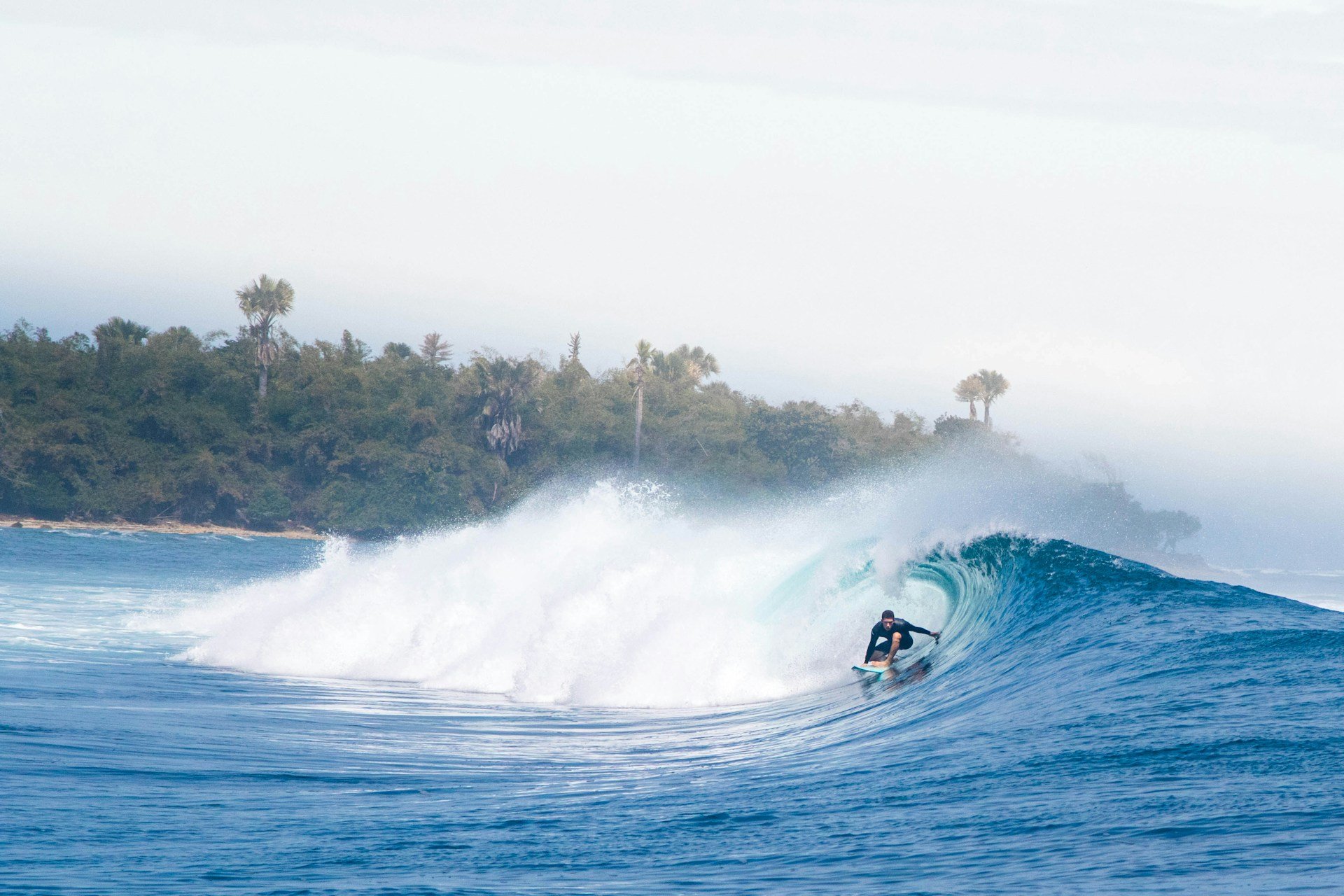
The G-Land breaks include Kongs (the mellowest, can run over 200 meters on big swells), Money Trees (most consistent, world-class glassy barrel), Launching Pads (deep backdoor barrels up to 70 meters), and Speedies (rifle-barrel tube that works when huge). Perfect, peeling lefts at different points along the reef bed, each with unique character and challenge. Tiger Tracks offers an intermediate-friendly A-frame when the main points are maxed out.
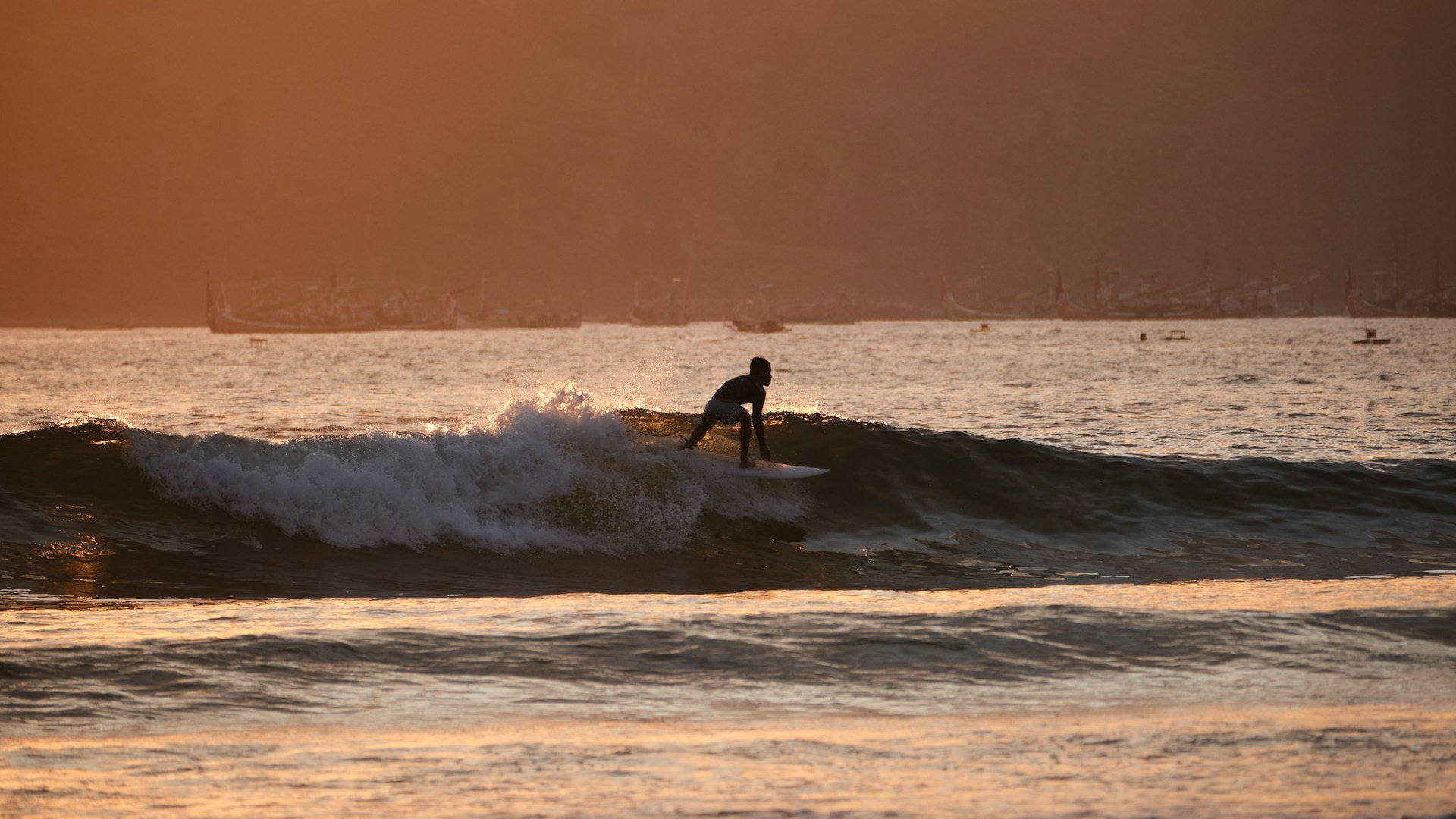
For beginners, Batu Karas on the south coast is considered one of the top learner spots on the island. Mellow right-hand shoulders run neatly off a point. There's even a walkway on the reef that takes you straight to the drop-in zone. The vibe here is "Bali back in the 80s" with a small community feel, no localism, and a bit of a hippy edge.
Panaitan Island on the western tip offers peeling reef lefts (One Palm, Naplams) that work well into September and October. Pacitan hardly sees a soul and could be "the next Bali" with its left-hand reefs and pristine beach breaks. Java is often overlooked as surfers pass through to the Mentawais or stay in Bali, meaning empty lineups, authentic village experiences, and a glimpse of Indonesia before the surf tourism boom.
Surf Culture in Java, Indonesia
Java offers Indonesia's deepest cultural immersion beyond the waves.
Cultural highlights:
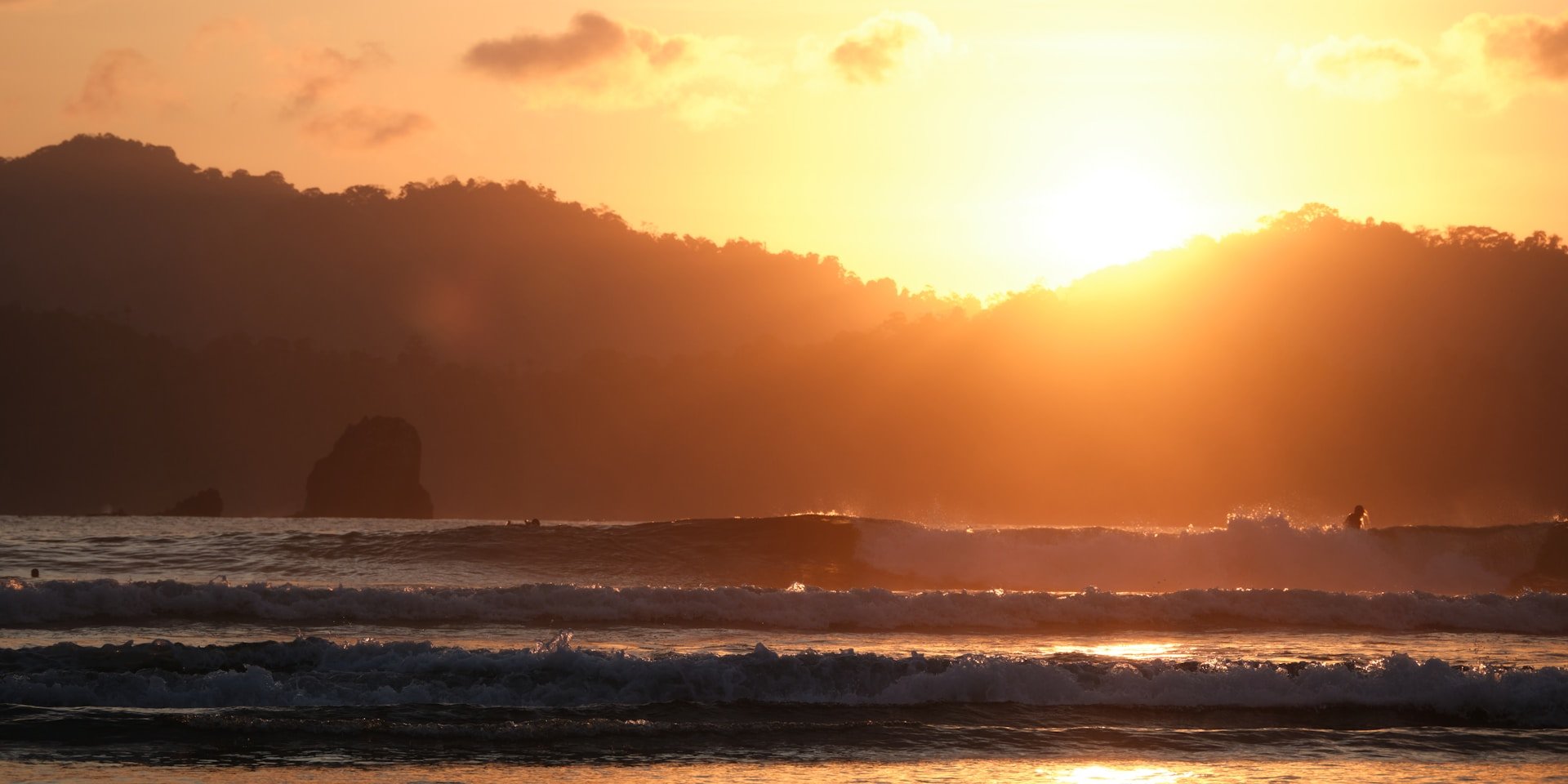
- Alas Purwo National Park: Wild jungle setting surrounding G-Land, sublime atmosphere with jungle behind and open ocean in front
- Yogyakarta: Arty city with UNESCO Buddhist temples (Borobudur), a backpacker favorite
- Batu Karas village: "Still small enough to have a real community. Everyone knows everyone. There's not much localism at all. It's got a bit of a hippy edge. It's Bali back in the 80s."
The surf scene:
- G-Land: A pilgrimage worth making for some of the best waves in the world. WSL pros rip at Launching Pads
- Batu Karas: Relaxed, beginner-friendly, no localism, nice vibe in the water (though getting busier)
- Pacitan: "Hardly a soul goes to the Pacitan beaches. Could be the next Bali!"
- Sawarna: Spots here tend to be totally empty
Java is what Bali was decades ago: world-class waves, colonial history, and hardly any crowds.
Best Surf Spots in Java, Indonesia
G-Land (Plengkung)
Expert onlyIndonesia's most famous left, hidden in Alas Purwo National Park. This world-class wave barrels down a coral reef for up to 300 meters on solid swells. It's remote, raw, and absolutely unforgettable when it turns on.
Pacitan
All levelsEast Java's hidden gem with multiple breaks along its rugged coastline. The main bay offers sheltered peaks good for all levels, while the outer reefs serve up punchy barrels for more experienced surfers.
Cimaja
Intermediate to advancedWest Java's most consistent wave, just a few hours from Jakarta. This right-hand point break peels along volcanic boulders and handles bigger swells better than most. Great weekend escape for the capital's surfers.
Batu Karas
Beginner to intermediateA mellow right-hander that's become the go-to spot for learning and longboarding. The wave peels softly over sand and reef, making it perfect for beginners while still offering fun walls for experienced riders.
Java Surf Conditions
Weather
Java's surf season follows Indonesia's dry season pattern.
Dry Season (May-August):
- SW swells firing from the Indian Ocean through deep underwater canyons
- SE trade winds blow offshore, typically kicking in around mid-morning
- Peak season for G-Land and all south-facing breaks
- The best and most consistent conditions for Money Trees and Speedies
Shoulder Months (September-October):
- Still good, especially for Panaitan Island (One Palm, Naplams)
- Batu Karas has good conditions into early spring
Wet Season (November-March):
- Still waves, but swells come in SE channels
- G-Land is not as clean and tends to be smaller overall
- Unpredictable wind direction means you won't surf the same breaks G-Land is known for
- Batu Karas' reef break (The Reef) comes into its own during wet season
Water Conditions
Tropical water temperatures year-round, boardshorts territory.
Water temperature: 27-29°C, no wetsuit needed
Essential gear:
- Reef booties: Highly recommended for G-Land and Batu Karas reef sections
- Rashguard: Sun protection for long sessions
Hazards at G-Land:
- Shallow reef: Money Trees and Speedies break over very shallow reef at low tide
- "Urchin cities" at Money Trees visible when gliding over reef at low
- "Urchin packs" at 20/20s at low tide
- People have been known to bail on shallow reefs at Money Trees without proper SE winds
- G-Land is remote: medical facilities hours away
Batu Karas hazards:
- The Reef exposes at low tide, reef shoes recommended
- Generally safer for beginners with no dangerous stone or coral at the beach breaks
How to Get to Java, Indonesia
G-Land is deep in the recesses of East Java, as far east as possible without dropping into the Bali Strait.
Getting to G-Land:
- Fly into Denpasar (Bali) then boat/speedboat connections from Kuta into Grajagan Bay
- The overland route across Java takes days through dense forest on tough roads (not recommended unless you're planning to see other attractions on Indonesia's most populous island)
- Most surfers book packages with established camps (like Jawa Jiwa G-Land Resort) that include all transfers
Getting to Batu Karas:
- Fly to Jakarta (CGK)
- Drive time from Jakarta airport: approximately 7.5 hours (usually with at least one stop)
- Batu Karas is about 12 miles from the larger town of Pangandaran
Getting to Panaitan Island:
- Boat charter territory, accessed from the western tip of Java
Surf Camps in Java
Surf Camps
View all →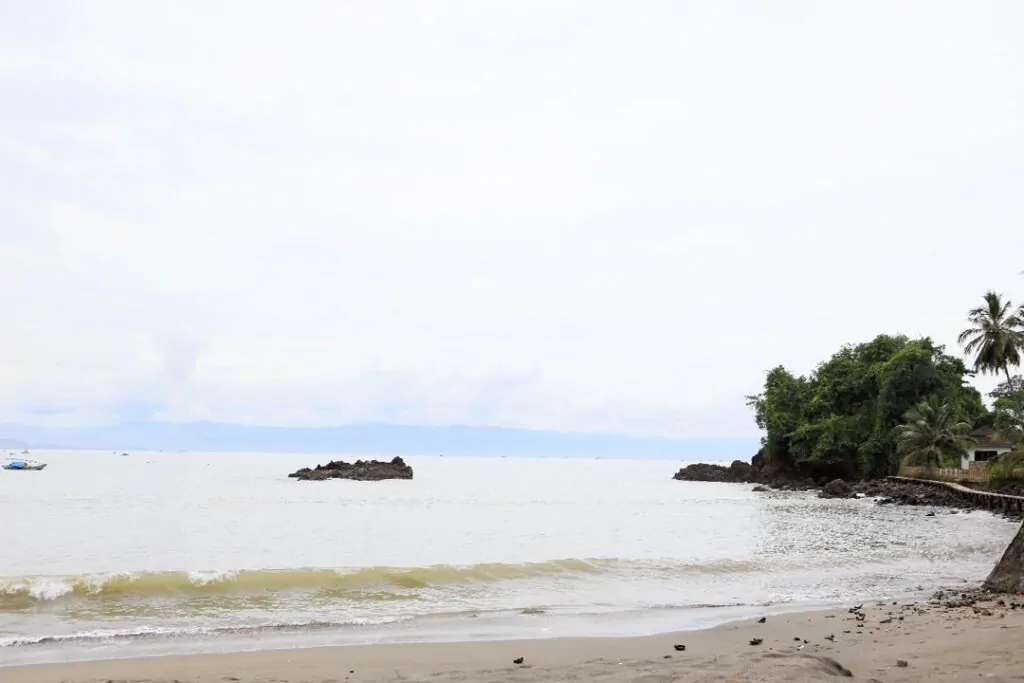
Arya ‘s Surf Camp
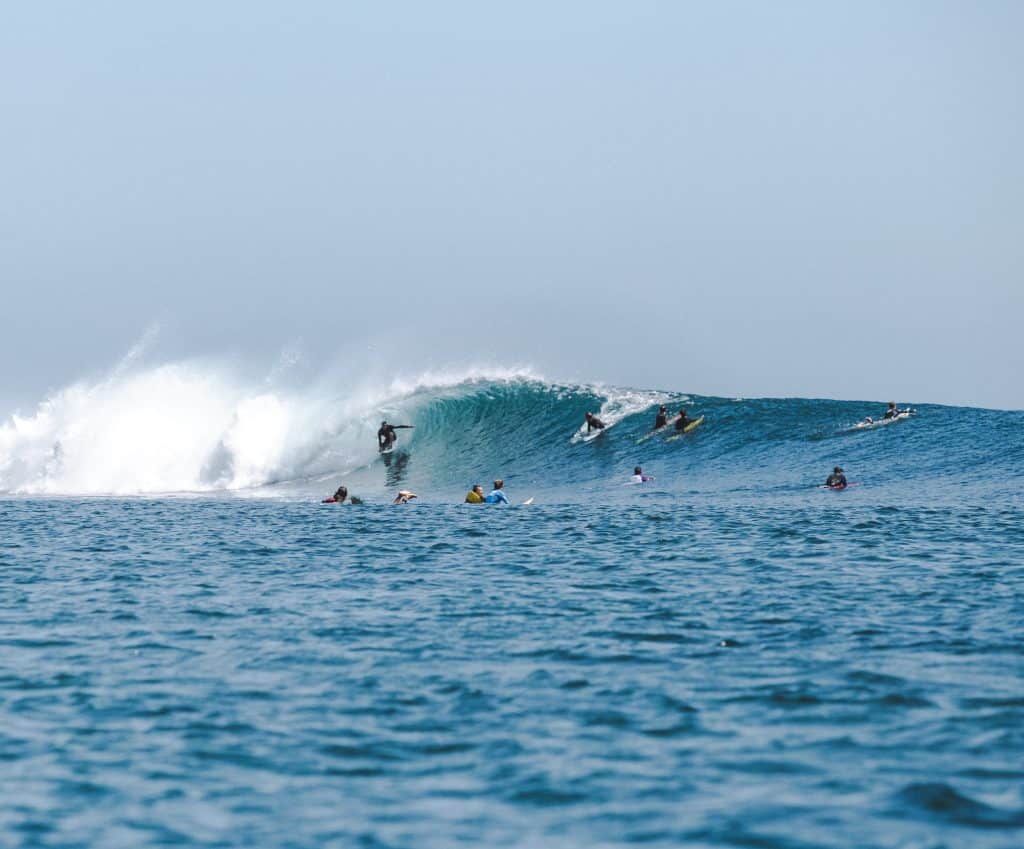
Jawa Jiwa G-land Surf Camp & Luxury Glamping
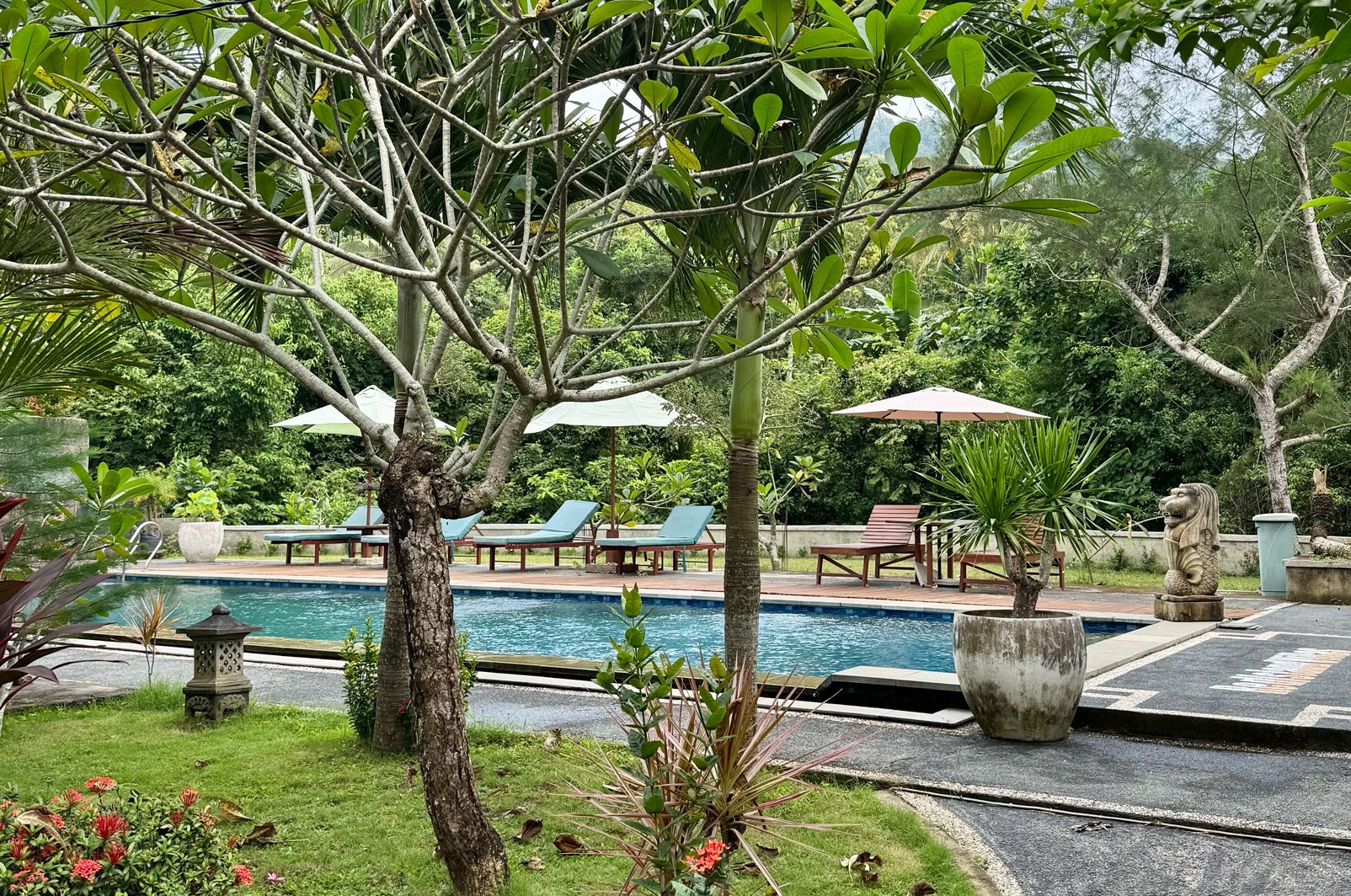
Mojo Surf Camp Red Island
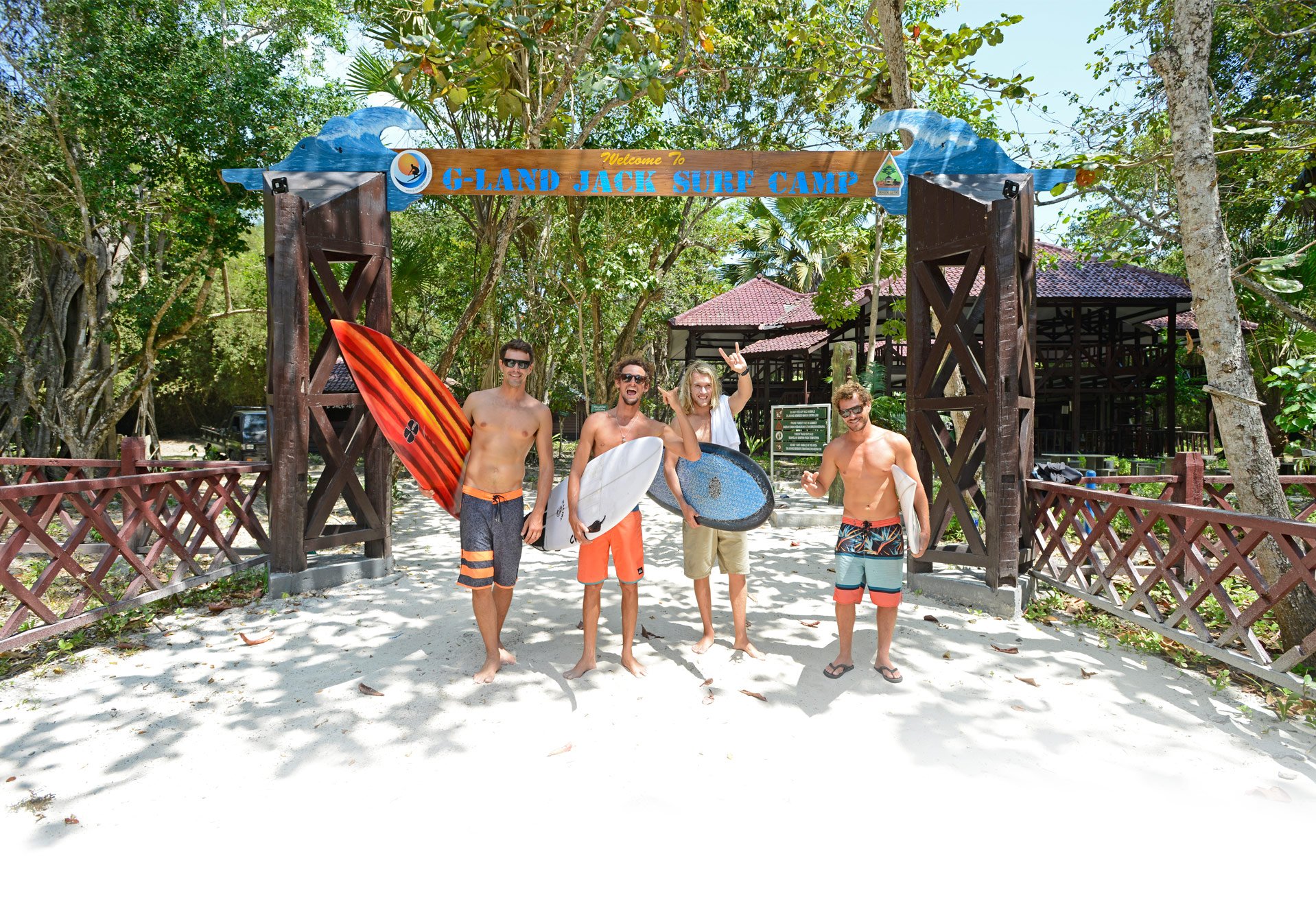
G-land Jack's Surfcamp
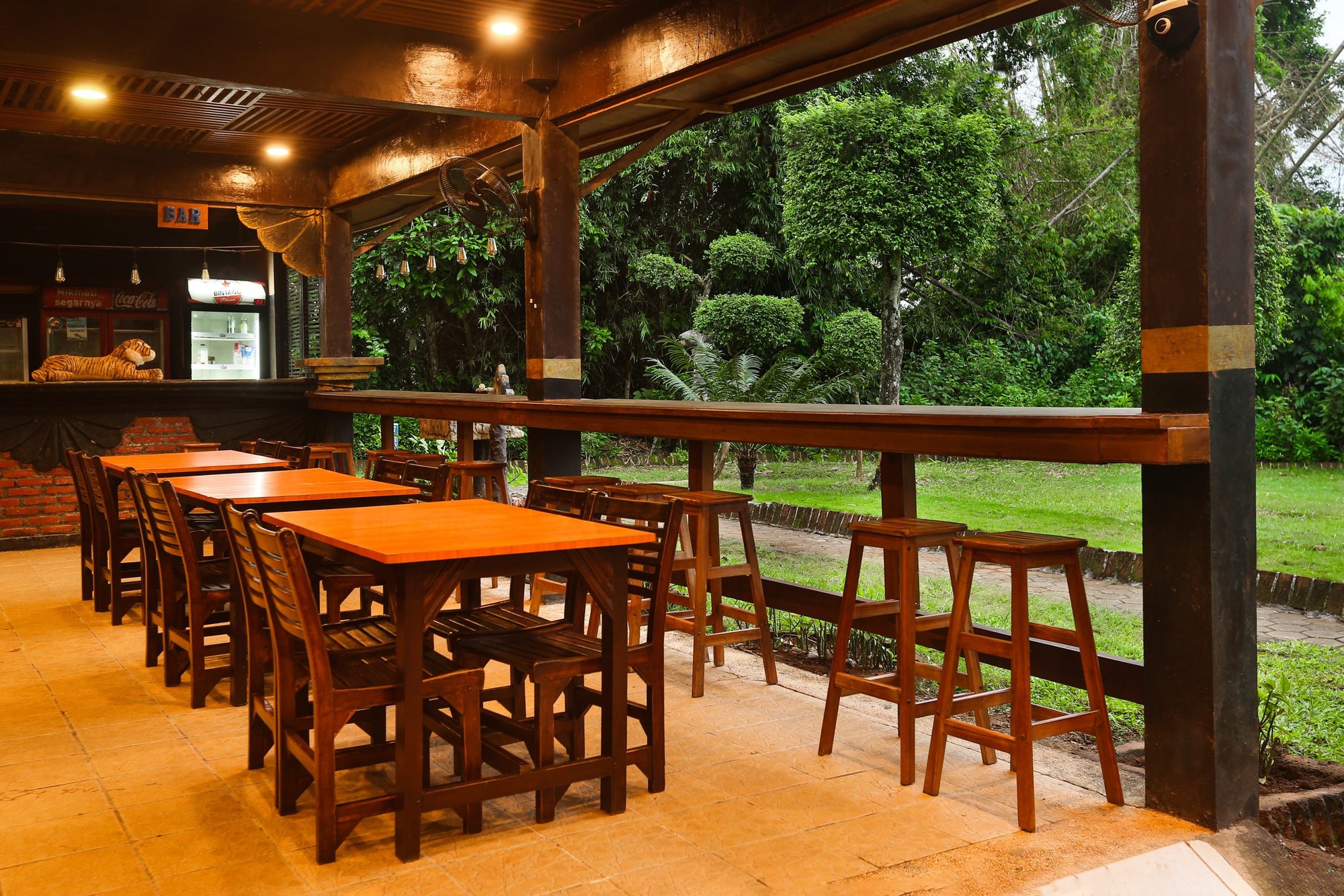
G-Land Joyo's Surf Camp
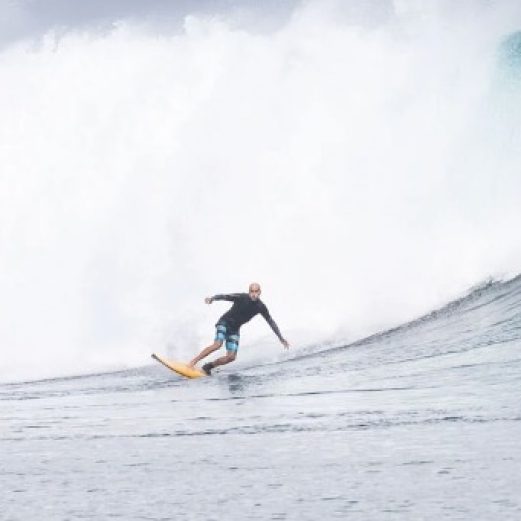
G-Land Bobby's Surf Camp
More Surf Regions in Indonesia
- Bali – Indonesia's surf capital, Uluwatu and beyond
- Lombok – Less crowded than Bali, Desert Point's legendary barrels
- Mentawais – World-class reef perfection, boat charters and land camps
- Sumatra – Frontier surfing, Krui and Nias adventures