🇲🇦Morocco
Surf Destinations & Guide
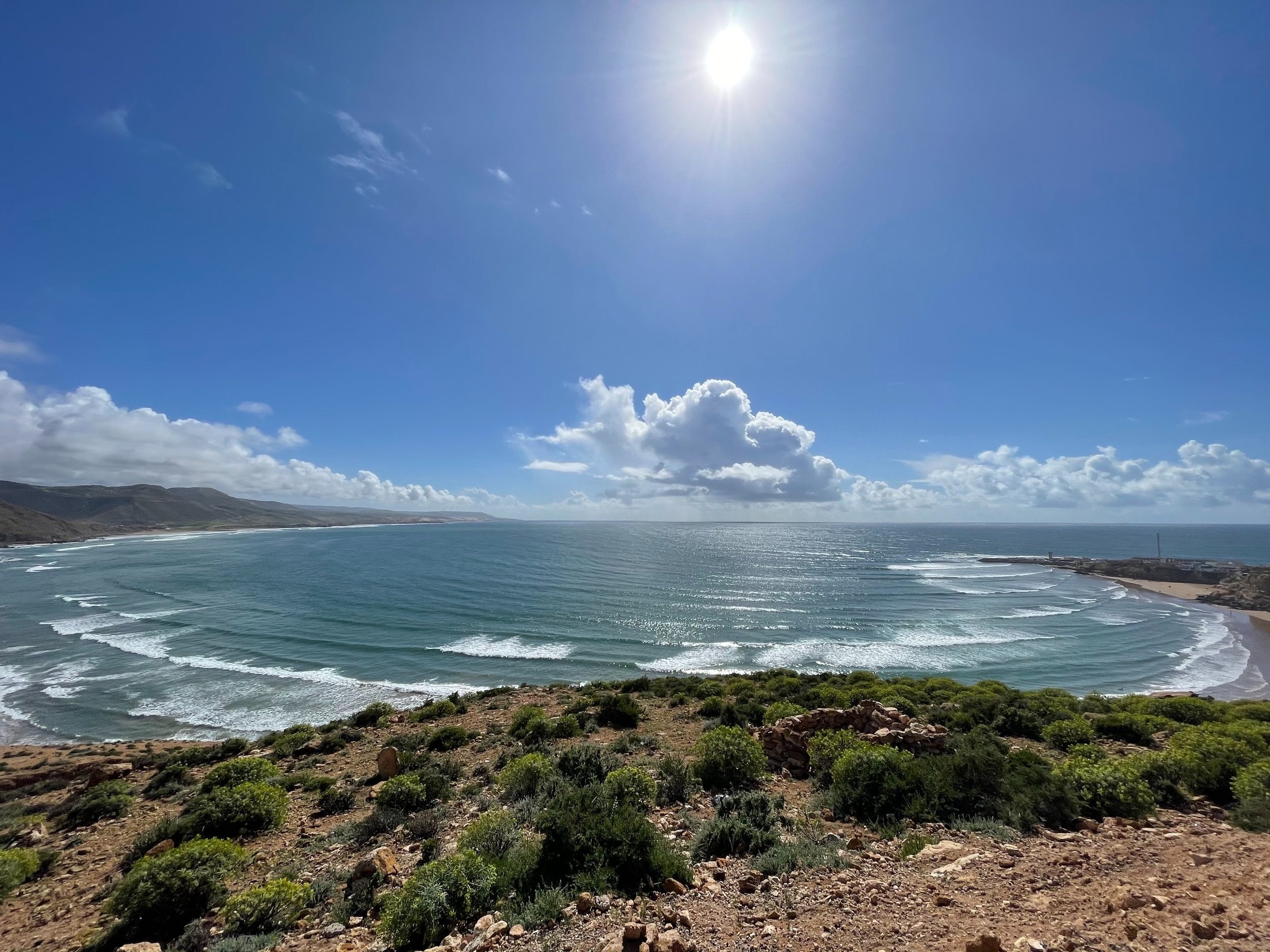
Morocco's Atlantic coastline has become one of the world's most sought-after surf destinations, offering an irresistible combination of consistent waves, warm African hospitality, and adventure. The stretch from Taghazout to Imsouane packs world-class right-hand points into a short coastal drive, with waves that work all winter long when Europe is maxed out or flat.
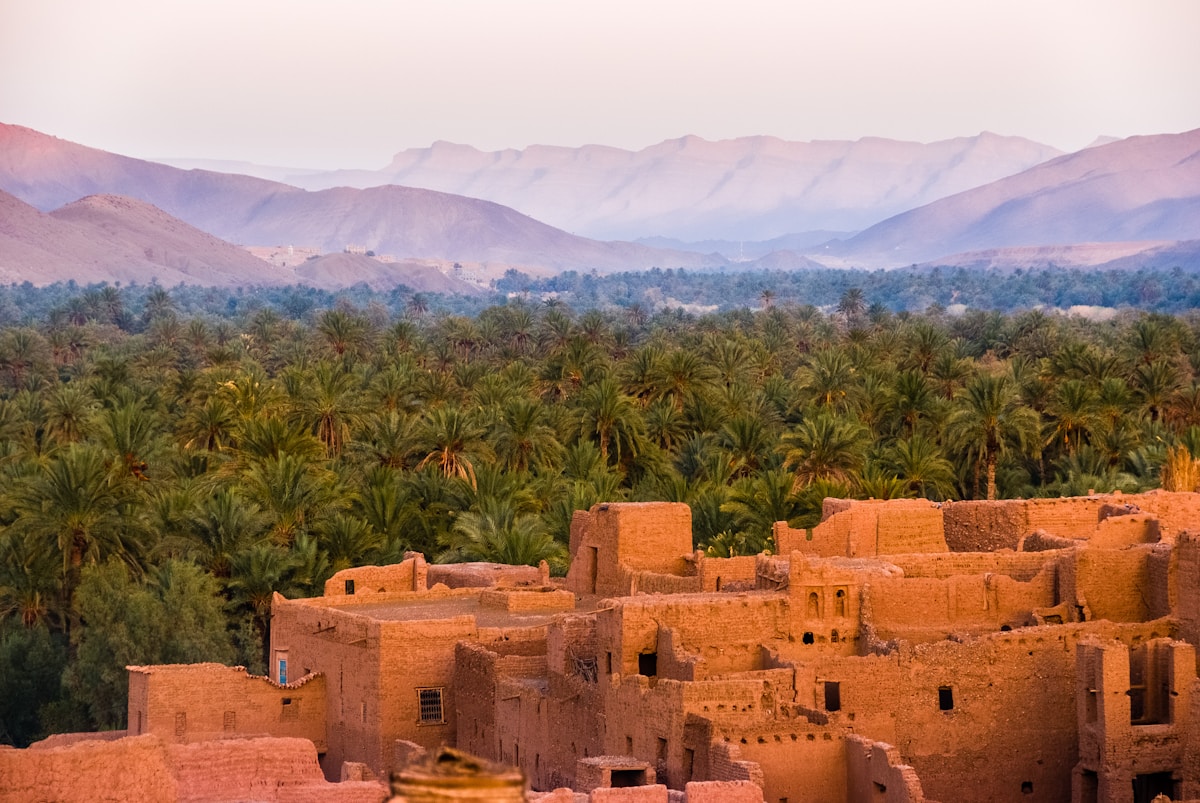
What draws surfers here goes beyond the waves. Morocco delivers an exotic cultural experience without the long-haul flight. Ancient medinas, tagine dinners, mint tea rituals, and the Atlas Mountains backdrop create an atmosphere unlike any European surf trip. The exchange rate favors visitors, making premium accommodation and dining surprisingly affordable.
The surf camp scene has matured significantly. Once a backpacker secret, Taghazout now offers everything from budget hostels to luxury yoga retreats. Imsouane maintains a more raw, village vibe. Whether you're a beginner looking for mellow waves or an intermediate chasing long, peeling point breaks, Morocco delivers consistency that rivals anywhere in the world, all just a few hours from most European cities.
When to Surf in Morocco?
Nov-Feb: Peak Surf Season
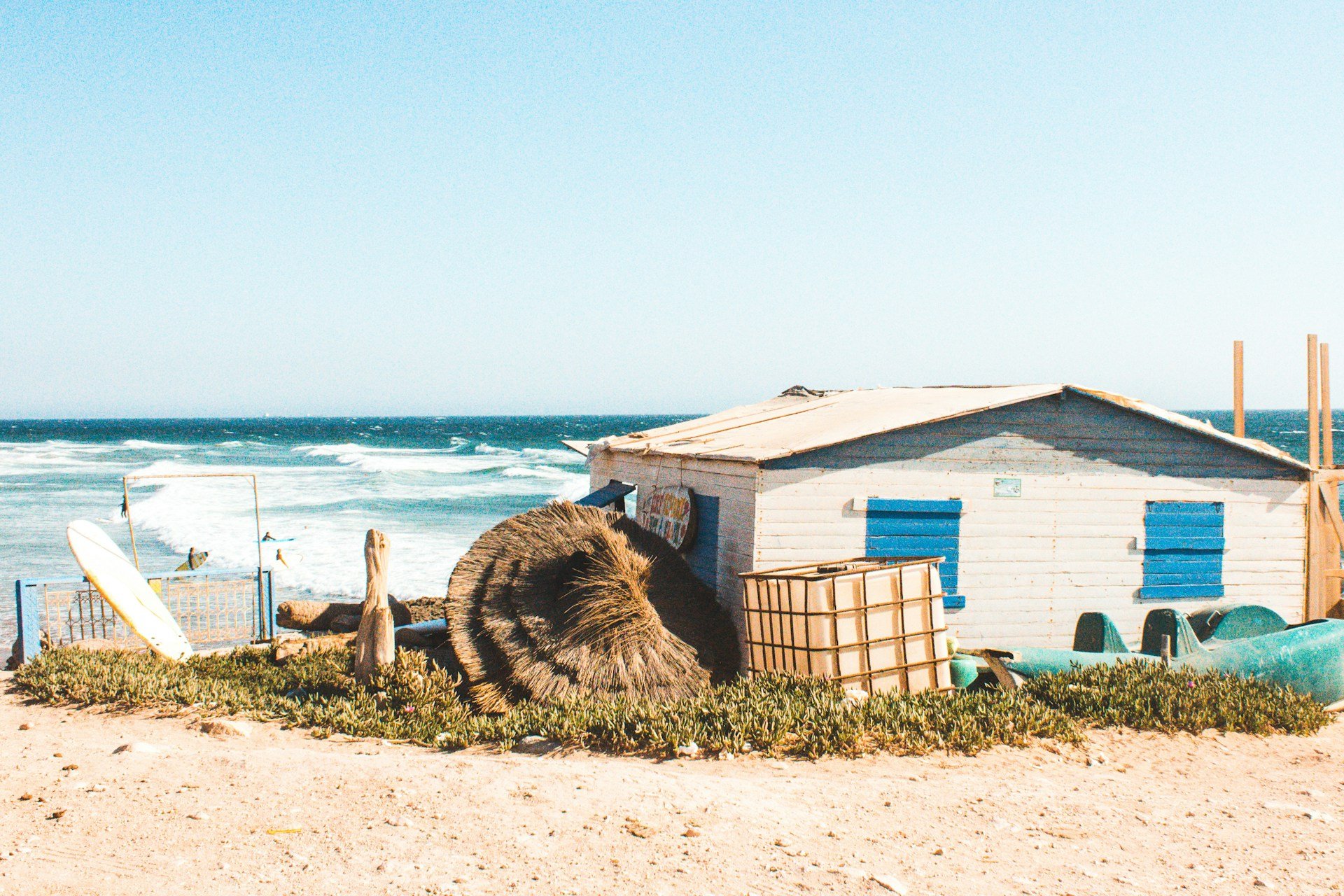
Winter delivers Morocco's best surf. Consistent North Atlantic swells pound the coastline, lighting up the famous right-hand points of Anchor Point, Hash Point, and Killer Point. Imsouane's legendary long wave fires, offering rides of 300+ meters on good days. Water temperatures hover around 17-19°C (3/2mm wetsuit), while air temperatures remain pleasant (15-22°C).
This is when Morocco shows what it's capable of. Swell arrives every few days, and the points handle size well. Crowds gather at the main breaks, especially Anchor Point, but the sheer number of quality waves means you'll score. Experienced surfers target dawn patrols and less famous points to escape the crowds.
Conditions: Water 17-19°C (3/2mm wetsuit). Consistent 4-8ft swells. Offshore winds common. Prime time for quality point breaks.
Oct-Apr: Shoulder Season
The shoulder months offer excellent value with fewer crowds. October sees the first significant swells arrive after summer's lull, with warmer water (20°C) and fewer surfers competing for waves. March and April bring the last consistent swells before summer, combined with warming weather perfect for combining surf with exploring.
Conditions are less reliable than peak winter but still deliver quality sessions several times per week. This is an ideal window for intermediates who find the winter points intimidating, as wave sizes are more manageable. Beginners benefit from quieter lineups at the beach breaks.
Conditions: Water 18-20°C (3/2mm or spring suit). Swell less consistent but still regular. Great balance of waves and weather.
May-Sep: Summer
Summer brings flat spells and onshore winds. The points go quiet, and Morocco's reputation as a surf destination takes a break. Occasional small swells produce rideable waves at beach breaks, but serious surfers look elsewhere.
However, summer works for other reasons: combining surf lessons with exploring Marrakech, the Atlas Mountains, and the Sahara. Water warms to 21-23°C, and the crowds disappear entirely. If you're a complete beginner happy with knee-high waves and want to experience Moroccan culture, summer delivers a different but rewarding trip.
Conditions: Water 21-23°C (boardshorts possible). Mostly flat or small. Onshore winds common. Not recommended for dedicated surf trips.
Surf Regions in Morocco
Morocco's surfable coastline runs from Essaouira in the north through Taghazout to the far south beyond Sidi Ifni. Four distinct regions offer different vibes and wave types.
Taghazout Surf Guide (69 camps)
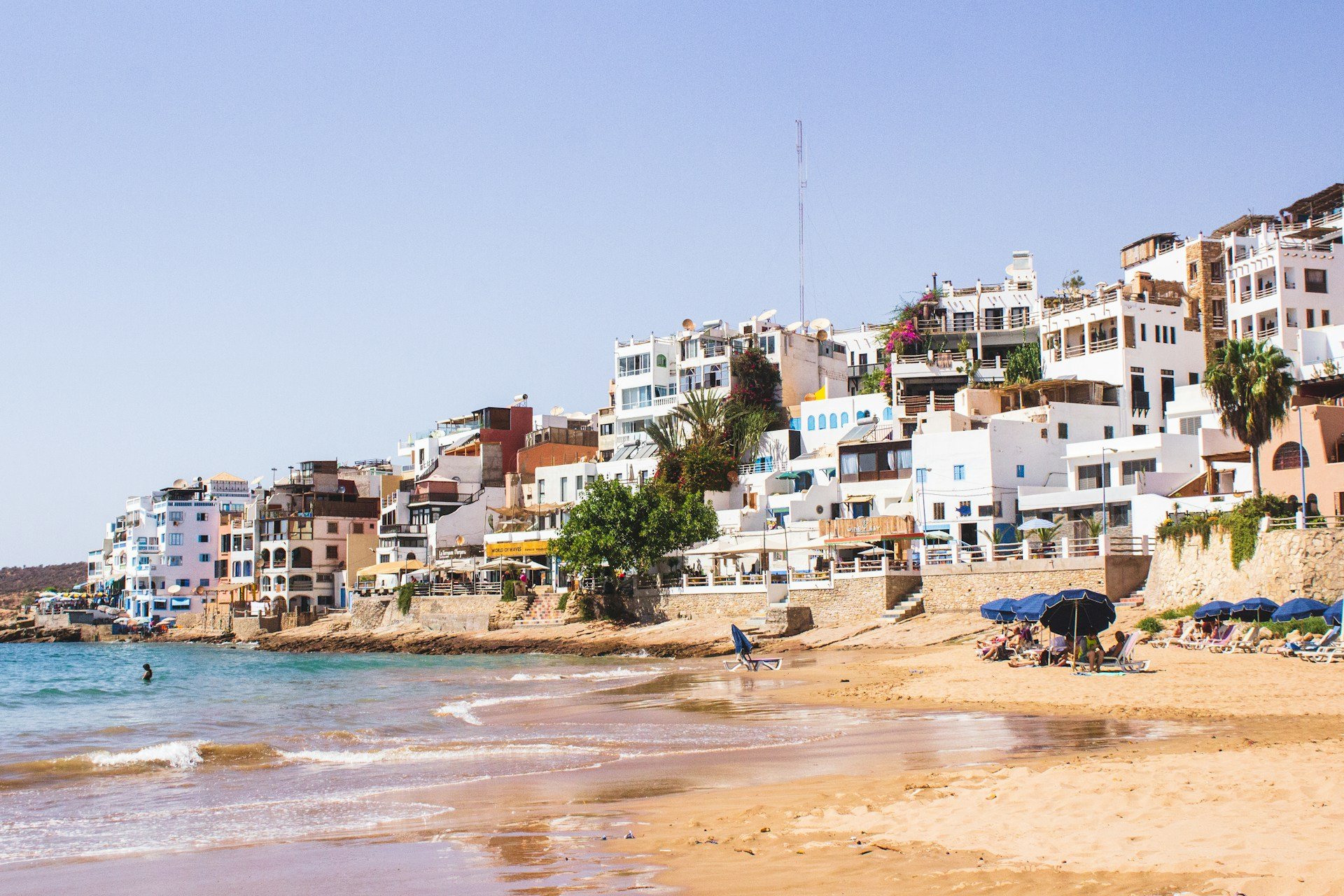
Morocco's surf capital. This former fishing village has transformed into a proper surf town with camps, cafes, and a strong international community. Within 15 minutes north and south lie a dozen quality breaks: Anchor Point (powerful right, Morocco's most famous wave), Hash Point (long, mellow right), Killer Point (fast, hollow right), Mysteries, and La Source.
The area suits intermediates best, with the points demanding solid paddling skills and wave knowledge. Beginners can learn at Panorama's beach break or the sheltered corners of Taghazout Bay. Infrastructure is excellent, with surf camps ranging from budget to boutique.
Imsouane Surf Guide (13 camps)
An hour north of Taghazout, Imsouane remains more authentically Moroccan. The village wraps around a bay that produces one of the world's longest right-hand waves, peeling for 300-800 meters on good days. The wave suits intermediates perfectly: long, forgiving walls that reward smooth surfing over radical turns.
The Cathedral is the main attraction, but the bay also offers a gentler inside section for beginners. Accommodation is simpler than Taghazout, with guesthouses and soulful camps rather than resort-style options.
Essaouira Surf Guide (4 camps)
Further north, Essaouira is as famous for wind as waves. This UNESCO medina town offers beach breaks at Sidi Kaouki that work on smaller swells, plus excellent kitesurfing when the trade winds pick up. Less consistent for surfing than Taghazout, but the town's atmosphere, Gnaoua music scene, and historical charm make it worth exploring.
South Morocco Surf Guide (2 camps)
South of Agadir, the coastline gets wilder and less developed. Sidi Ifni and Mirleft offer powerful beach breaks and reef setups with almost no crowds. Infrastructure is basic, but adventurous surfers willing to explore will find empty waves and dramatic desert-meets-ocean landscapes.
🏄 Best Surf Spots in Morocco
From world-class reef breaks to beginner-friendly beach breaks, Morocco offers 20 documented surf spots across its 4 regions.
Plage Essaouira
beginnerThe main city beach stretching south from the medieval medina gateway. Protected by Mogador Island from most N-NW swells, this beach gets beginner-friendly chest-high waves when swells wrap around the bay in winter. Foamie rentals and surf schools right on the sand make it perfect for casual learners combining culture with surfing.
Plage Tagharte
beginner intermediateThe southern end of Essaouira's main beach, more exposed to open Atlantic swells. Gets bigger, more consistent waves than the protected city beach. Prone to closeouts and summer wind damage. Features shorebreaks and a small left-leaning point at the southern tip. Prime kitesurfing territory May through September.
Sidi Kaouki
beginner intermediateThe real surf hub, 30 minutes south of Essaouira. Now seen as a chilled alternative to Taghazout. Five or six named peaks along a beautiful beach stretch, including a right-hand reef point for experienced surfers at the north end. Beach breaks work for beginners, while the point offers more challenge. Multiple surf camps and hostels right on the sand.
Cap Sim
intermediate advancedA fickle right-hand point south of Essaouira requiring a rough track to reach. Works best on steady 5-6ft westerly and northerly swells with strong easterly offshores. Mix of sand and jagged rock underfoot. Can throw up gorgeous barrels when conditions align, but consistency is rare.
Tafedna
intermediateCalled the best-kept secret beach of Essaouira, over an hour's drive south where desert meets Atlantic. A headland on the north side creates long right points, while the beach itself has multiple uncrowded peaks. Wild, remote setting with argan groves and a small village. Worth the journey for intermediate surfers seeking solitude.
The Bay
beginner intermediateAfrica's longest right-hand wave and Imsouane's crown jewel. A classic mellow point break with take-off right beside the harbor wall. On best days, rides extend hundreds of meters across the bay. Perfect for longboarders with its slow start and uninterrupted walls. Also works for shortboards when swells push overhead.
Cathedral
intermediateLocated north of the headland, Cathedral offers faster, heavier rights than The Bay. More exposure to big NW and W swells means quicker, less forgiving waves. Mix of rock and sand bottom with options for goofies too. Best for intermediate surfers seeking more punch.
The Reef
advancedOften overlooked rock-bottomed break between The Bay and Cathedral. Fires on swells above 5 feet, producing rare Moroccan lefts that can hollow out on overhead days. For more advanced surfers only.
+ 12 more surf spots across Morocco
Is Morocco Good for Beginner Surfers?
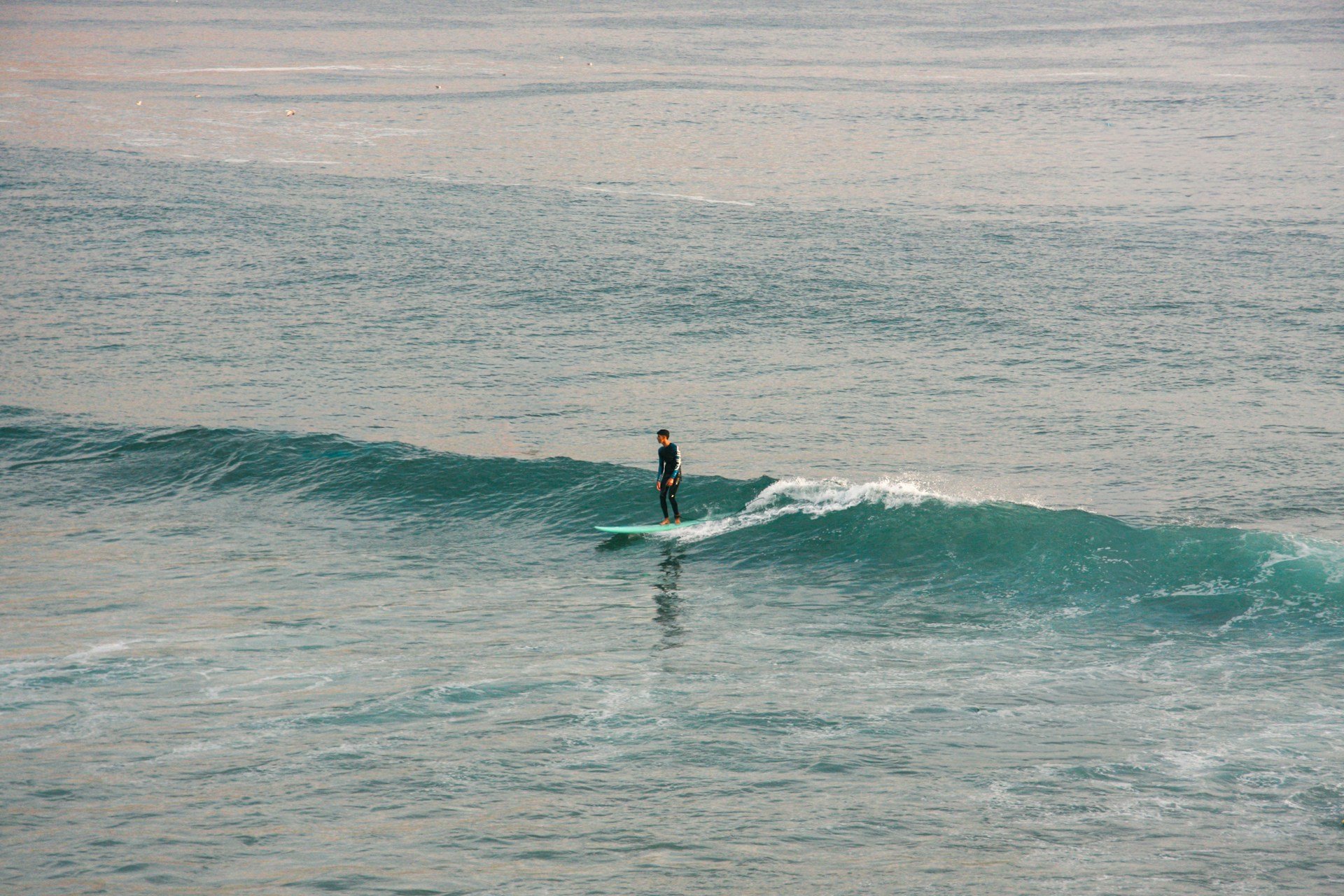
Morocco works well for beginners, though it requires choosing the right spot. The famous point breaks are intermediate territory, but several locations cater specifically to those learning.
Where to Learn
Taghazout Bay and Panorama offer sandy beach breaks with gentle whitewater perfect for first-timers. Most surf camps in the Taghazout area run beginner lessons at these spots. Imsouane's inside bay section provides an alternative with small, slow waves rolling over sand.
Tamraght, the village just south of Taghazout, has become a hub for beginner-focused camps. The beach break there works well for lessons, and the village atmosphere is slightly quieter than Taghazout's busier scene.
What to Expect
Two-hour group lessons cost €25-40 including wetsuit and board. Week-long beginner surf camps range from €350-600 with accommodation, meals, and daily lessons. Most beginners stand up in their first session and progress to green waves within a week.
Best Time for Beginners
October and March to April offer the best conditions: smaller waves, warmer water, and fewer crowds. Peak winter (December to February) can be intimidating when the points are pumping, though the beach breaks remain manageable.
Morocco Intermediate Surfer Guide
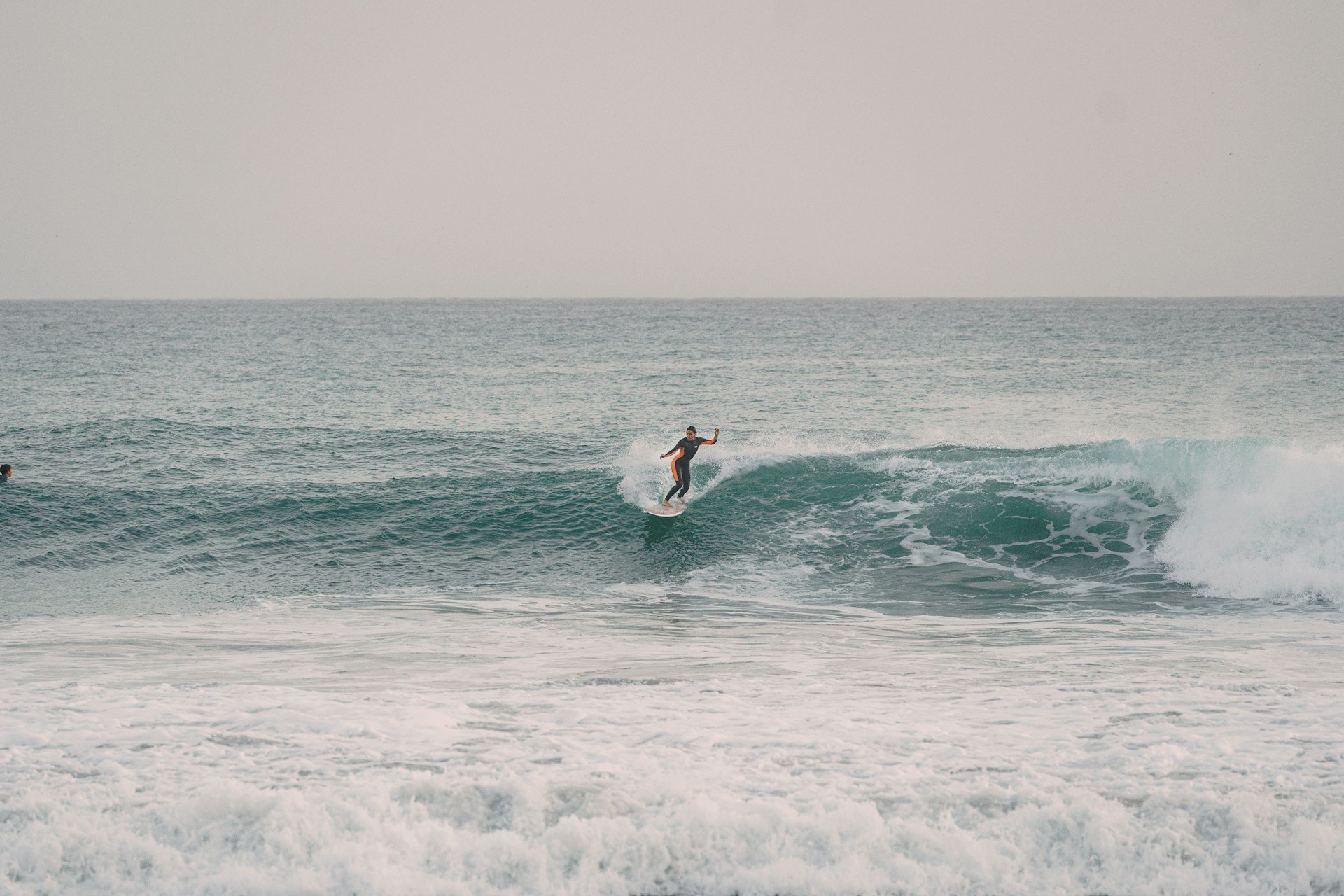
Morocco is an intermediate surfer's paradise. The long, peeling points reward positioning and flow over radical maneuvers, making them ideal for developing your surfing.
Taghazout Progression
Start at Hash Point, the most forgiving of the main points. It handles crowds better than Anchor Point and offers long walls perfect for practicing cutbacks and finding the pocket. As you gain confidence, move to La Source (shorter, punchier sections) and eventually Anchor Point on smaller days.
Devil's Rock provides a good step up when the main points are crowded or too big. The beach breaks at Panorama let you practice duck diving and paddle fitness without competing for waves.
Imsouane's Long Walls
Imsouane's Cathedral wave is designed for intermediates. The wave peels predictably for hundreds of meters, giving you time to set up turns and read the wall. The paddle-out is straightforward via the channel, and the crowd spreads across the long wave. This is where many intermediates experience their breakthrough, finally having enough time on the wave to link maneuvers.
What You'll Need
A 3/2mm wetsuit for peak season, spring suit for shoulder months. Bring your own board if possible, as performance shapes are limited in rentals. A midlength or fish works well for the long, softer walls. Reef booties are unnecessary (sandy entries) but useful for rocky walks to some spots.
How Much Does a Surf Trip to Morocco Cost?
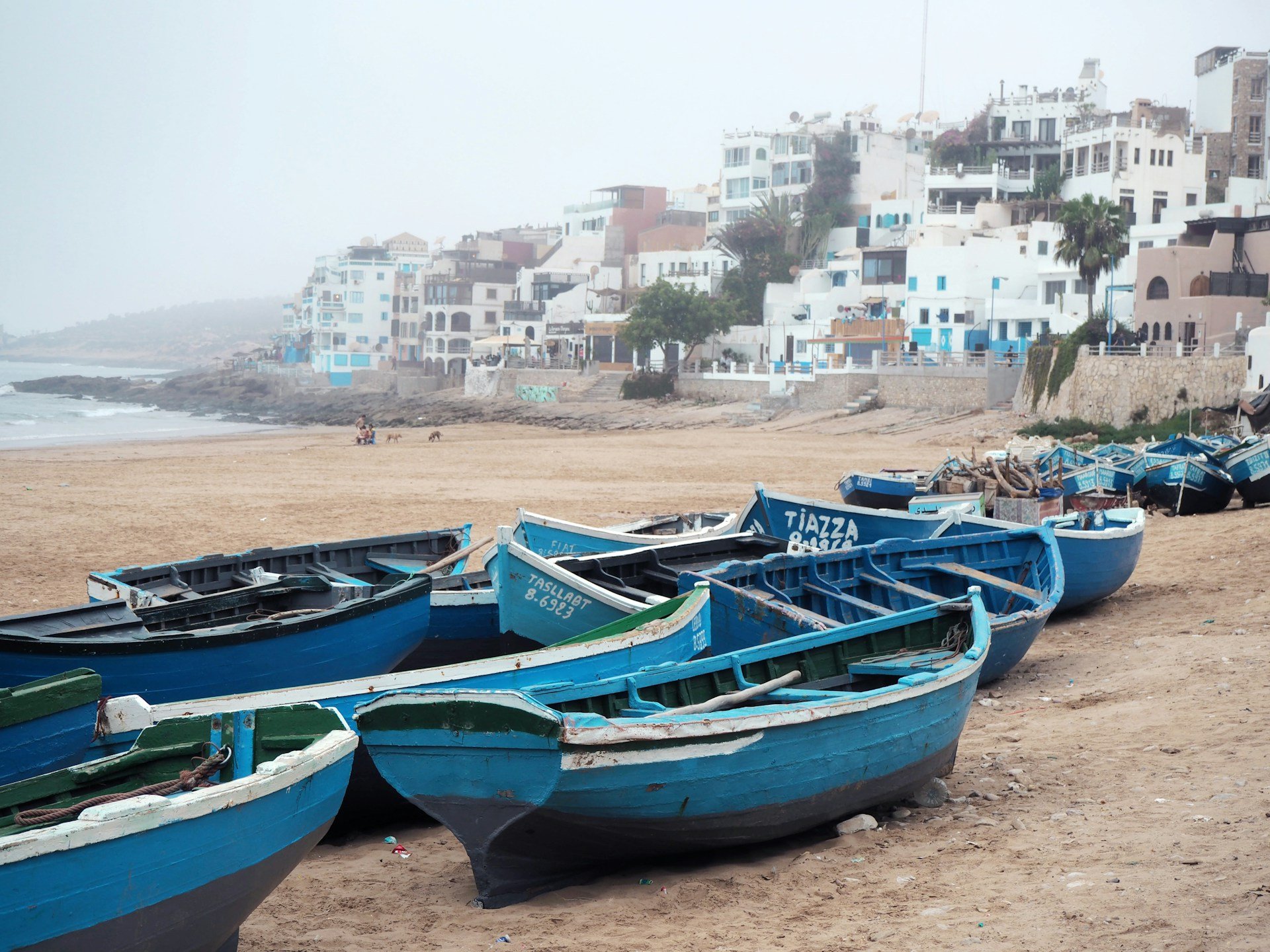
Morocco offers outstanding value. The dirham exchange rate favors Western currencies, and accommodation and food cost a fraction of European prices.
Accommodation
Budget guesthouses and hostels run €10-20 per night. Mid-range boutique riads with pools cost €30-60. Surf camps with full packages (accommodation, meals, guiding) range from €350-700 per week, exceptional value given what's included.
Food
Street food (tagine, couscous, msemen) costs €2-5 per meal. Restaurant dinners run €8-15. Fresh fish at beachside cafes is €10-20. Budget €15-25 per day eating well with a mix of local and tourist spots.
Transport
Flights from Europe to Agadir start from €50 return on budget airlines. Airport transfers to Taghazout cost €15-25. Hiring a taxi for a day of surf exploration runs €40-60. Local taxis between villages cost €2-5.
Daily Budgets
- Budget traveler: €30-45/day (guesthouse, local food, walking distance)
- Mid-range comfort: €50-80/day (nice riad, restaurant meals, taxi transport)
- Comfortable surf camp: €60-100/day (full package with meals and guiding)
Compared to Alternatives
Morocco is 30-40% cheaper than Portugal or the Canaries for equivalent quality. Comparable to Bali in cost but with the advantage of short, cheap flights from Europe. The value proposition, consistent waves plus culture plus affordability, is hard to beat.
Travel Essentials for Surfing Morocco
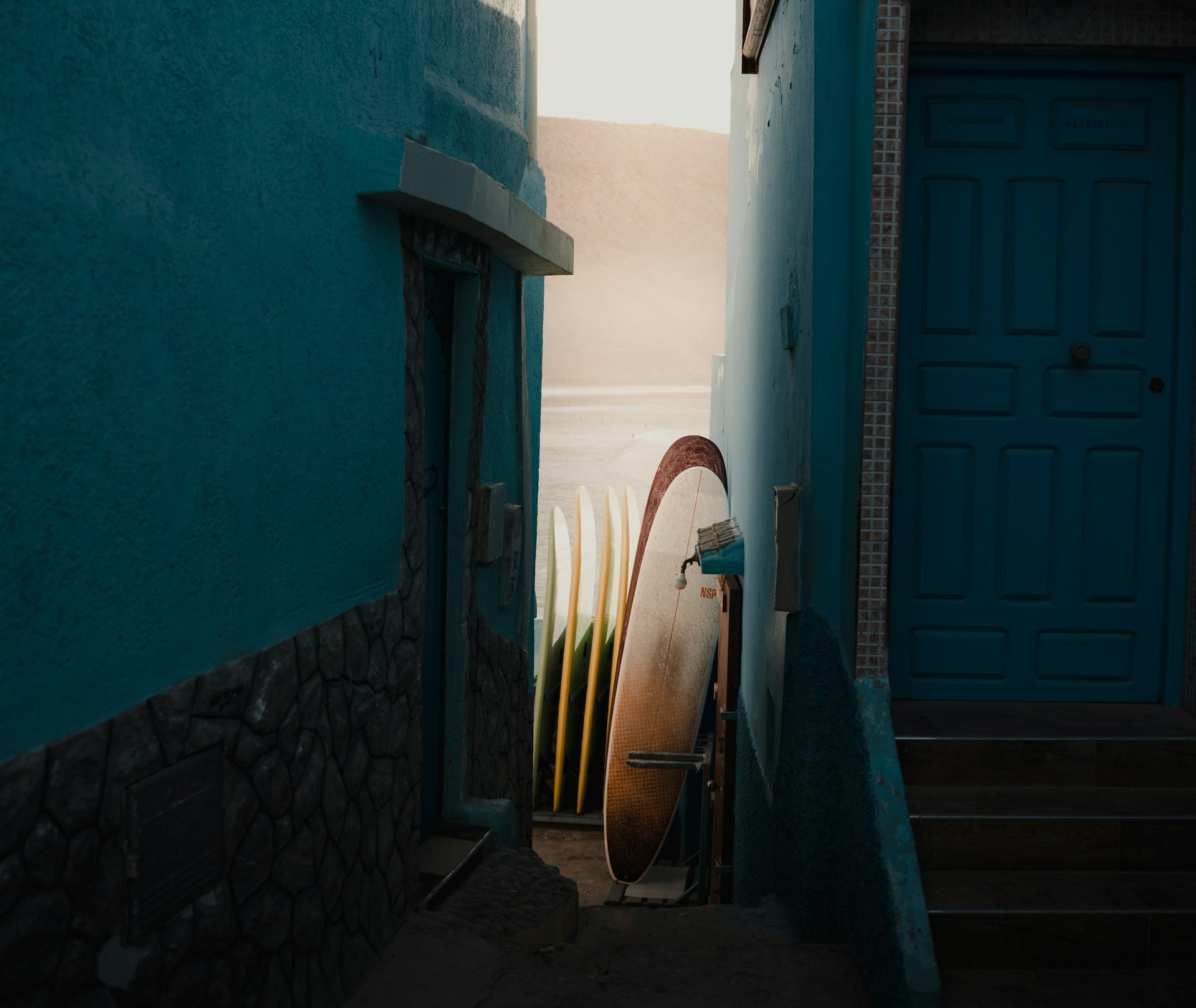
Getting There
Agadir Al Massira Airport (AGA) is the main gateway, with direct budget flights from most European cities (Ryanair, easyJet, TUI). Marrakech (RAK) is an alternative with more flight options but 3 hours from the surf. From Agadir, Taghazout is 20 minutes north, Imsouane 1.5 hours.
Visa Requirements
Most Western nationalities (EU, UK, US, Canada, Australia) get 90 days visa-free on arrival. No special permits needed. Passport must be valid for 6 months beyond travel dates.
What to Bring
- 3/2mm wetsuit (essential October to April)
- Spring suit or shorty for shoulder season
- Reef-safe sunscreen (strong African sun)
- Cash in dirhams (ATMs available but cards not widely accepted)
- Modest clothing for visiting medinas (cover shoulders and knees)
- Your own board if intermediate+ (performance rentals limited)
Health and Safety
No vaccinations required but hepatitis A and typhoid recommended. Tap water is not safe to drink, stick to bottled. Stomach issues common for first-timers, avoid salads and unpeeled fruit initially. Morocco is generally safe, but standard travel precautions apply in cities. Female travelers should dress modestly outside surf areas.
Connectivity
Decent WiFi at most camps and cafes. Local SIM cards (Maroc Telecom, Orange) cheap and easy to buy. 4G coverage good in Taghazout and Imsouane, spottier further south.
Surf Services in Morocco
Find everything you need for your surf trip across Morocco.
Culture & Conditions
☀️ Weather
Semi-arid climate with 300+ sunny days. Winter (Nov-Feb) is the main surf season with air temps 15-22°C and occasional rain. Summer (Jun-Aug) is hot and dry, 25-35°C, with smaller waves. The Agadir/Taghazout region rarely gets cold. Imsouane and points south are even warmer.
🌊 Water Conditions
Water temperature: 16-18°C in winter, 20-23°C in summer. Wetsuit requirements: 3/2mm is sufficient year-round for most surfers. In winter months (Dec-Feb), a 4/3mm provides more comfort, especially for long sessions. Summer often only needs a 2mm shorty or spring suit.
⚠️ Safety Tips
Morocco is generally safe for surfers. Main concerns: petty theft (don't leave valuables on the beach), aggressive street vendors (politely decline), sea urchins at rocky breaks (reef booties help), and strong currents at some spots. Tap water is not safe to drink. Female solo travelers should dress modestly outside surf areas.
❓ Frequently Asked Questions
What makes Morocco's point breaks so special?▼
Can I combine surfing with cultural experiences?▼
Is there a yoga and wellness scene?▼
How crowded are the lineups?▼
⭐ Top Surf Camps in Morocco
View all 85 surf camps →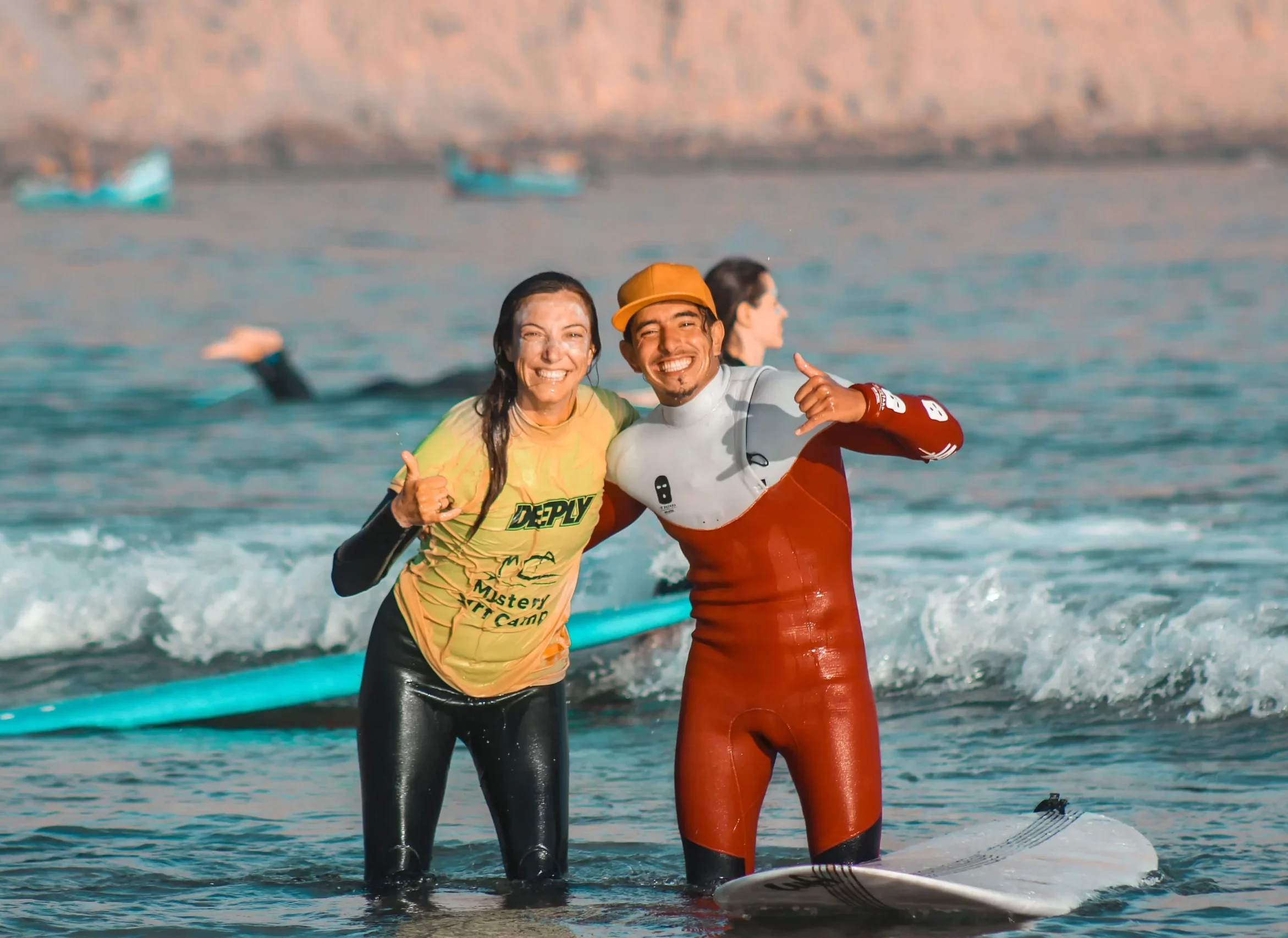
Mystery Surf Camp Imsouane
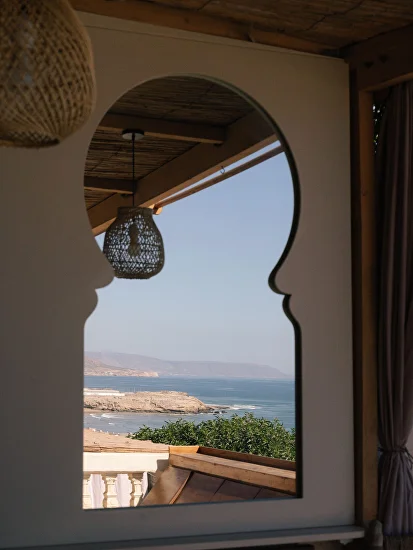
Desert Surf Camp - Aourir
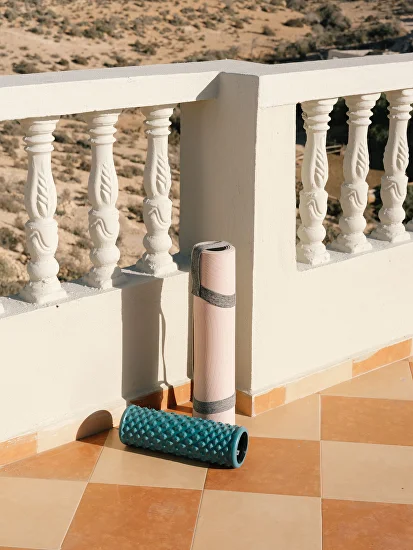
Desert Surf Camp - Tamraght