Morocco
Best Time to Surf
Nov to Mar
Wave Types
Skill Levels
Surfing South Morocco
South of Agadir, the Moroccan coast transforms into something wilder. Empty lineups, dramatic desert-meets-ocean landscapes, and authentic fishing villages replace the bustling surf town scene of Taghazout. This is Morocco for those who want adventure over convenience, solitude over social scenes.
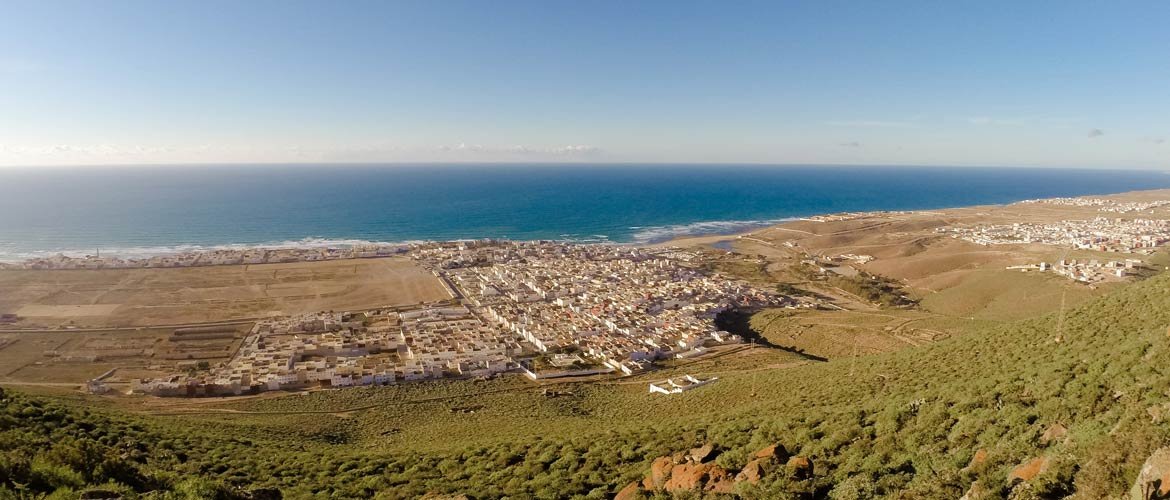
The region centers on Sidi Ifni and Mirleft, two coastal towns that feel frozen in time with Art Deco architecture from Spanish colonial days. Consistent beach breaks, occasional point setups, and far fewer surfers mean you can actually find waves to yourself, something increasingly rare in Morocco's northern surf zones.
Infrastructure is minimal. Roads can be rough, accommodation basic, and nightlife nonexistent. But for intermediate to advanced surfers willing to explore, South Morocco rewards with the uncrowded Moroccan surf experience that Taghazout used to offer before the surf tourism boom.
Surf Culture in South Morocco
South Morocco maintains old Morocco vibes that have largely disappeared from the popular surf towns further north.
The local scene:
- Fishing heritage: These remain working fishing communities where surf tourism is secondary
- Spanish colonial history: Sidi Ifni's Art Deco architecture dates from Spanish rule until 1969
- Off-grid appeal: Attracts surfers, vanlifers, and travelers seeking authenticity over amenities
Beyond the waves:
- Sidi Ifni town: Crumbling Art Deco buildings, excellent seafood, genuine local interactions
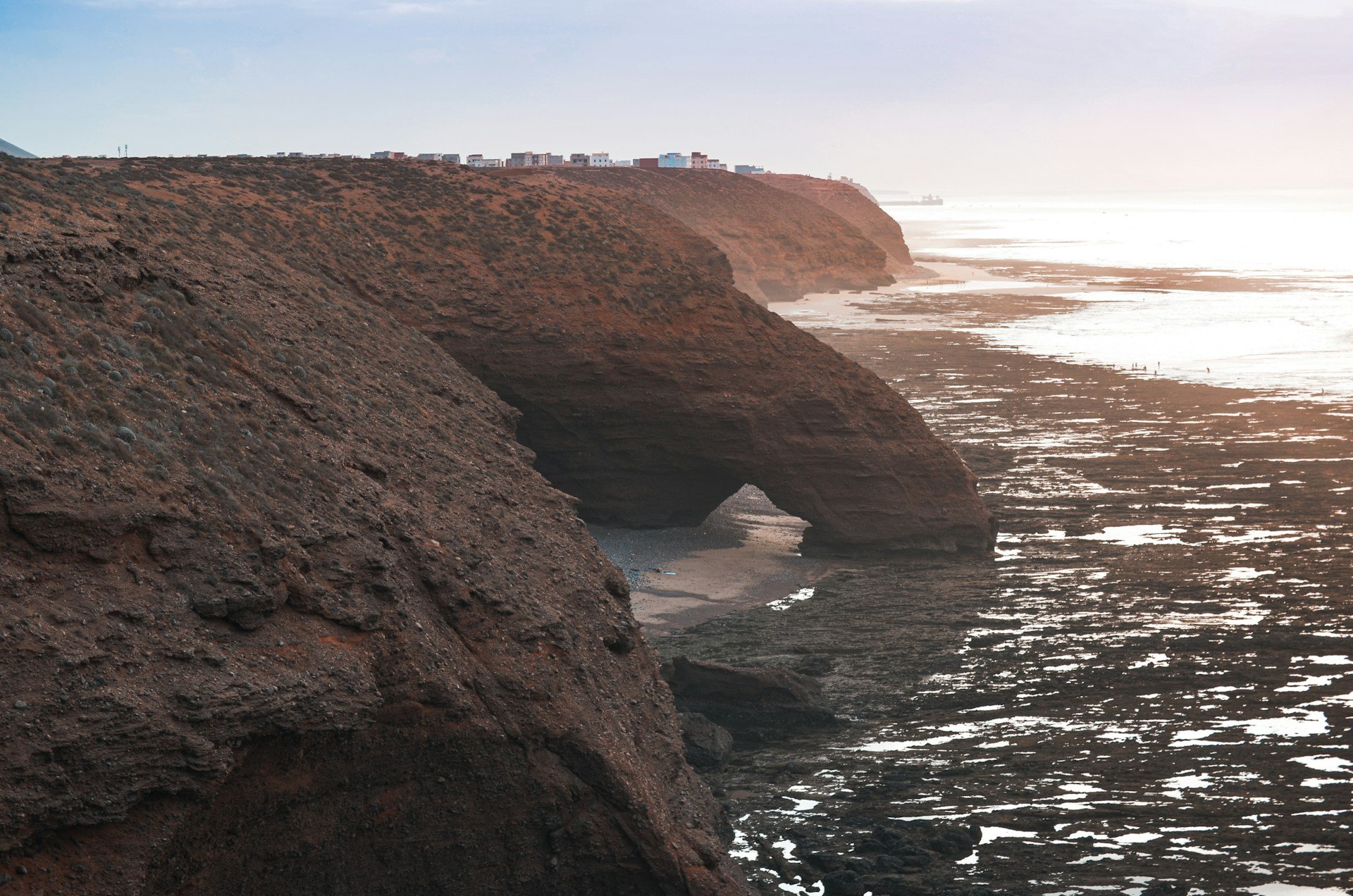
- Mirleft coves: Dramatic rock formations and hidden beaches
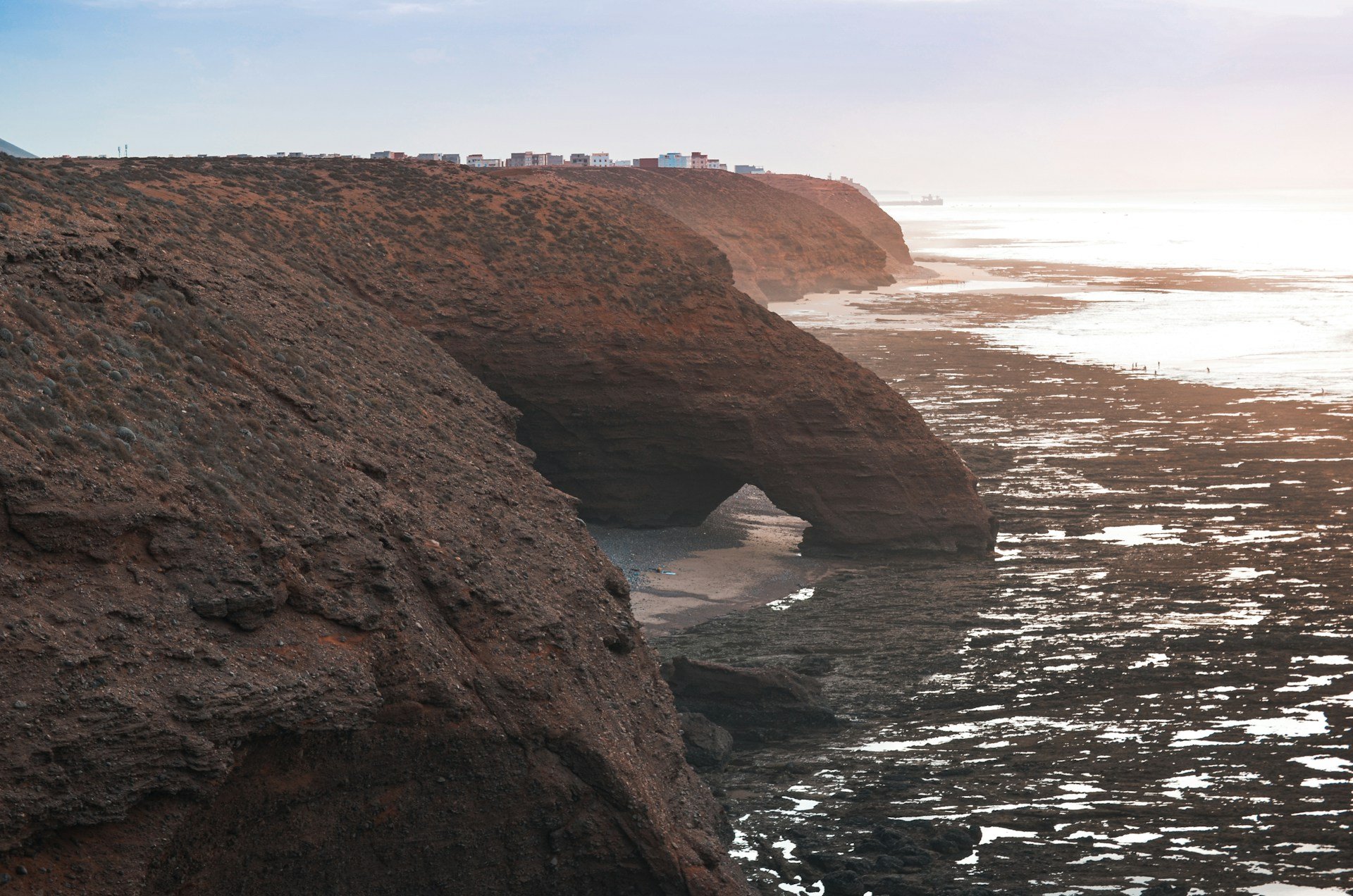
- Legzira Beach: Famous red rock arches (one collapsed in 2016, others remain)
- Desert excursions: Gateway to the Anti-Atlas mountains
The vibe: This is not party territory. Expect quiet evenings, basic tagine dinners, and conversations with fishermen rather than fellow surf travelers. Those who appreciate remote, rugged destinations find South Morocco deeply rewarding.
Best Surf Spots in South Morocco
Sidi Ifni Main Beach
beginner intermediateThe town beach of Sidi Ifni, a long stretch of sand fronting the Art Deco town. Beach break peaks that work on most swells, though exposed to wind. The southern end has a left point that fires on bigger NW swells. Good mix of beginner-friendly sections and more challenging corners.
Sidi Ifni Left
intermediate advancedA left-hand point at the southern end of Sidi Ifni bay. Needs a solid NW swell to break properly but can produce long, walling lefts. Rocky bottom requires experience and respect. One of the few quality left points in Morocco.
Mirleft Beaches
beginnerSeveral coves and beaches around the small town of Mirleft. Dramatic rock formations frame beginner-friendly beach breaks. The northern cove (Plage Marabout) is most popular with calmer conditions. Good for learning or longboarding when swells are small to medium.
Legzira
intermediateFamous for its dramatic red rock arches (one collapsed in 2016). The beach picks up solid winter swells and can have powerful peaks. Remote location means it is rarely crowded. The setting is spectacular but the waves are secondary to the scenery for most visitors.
South Morocco Surf Conditions
Weather
Same Atlantic swell patterns as northern Morocco, but more exposed and often windier.
Peak Season (November-March):
- Powerful NW Atlantic swells arrive consistently
- Wave heights often exceed what Taghazout receives
- Air temps 15-22°C, water 17-19°C
- Offshore easterly winds can create excellent conditions
Shoulder Seasons (October, April):
- Smaller but consistent swells
- Warmer weather, fewer crowds (not that there are many)
- Good for intermediate surfers
Summer (May-September):
- Strong coastal winds affect most spots
- Smaller, inconsistent swells
- Not recommended for dedicated surf trips
Water Conditions
Water temperatures similar to the rest of Morocco's Atlantic coast. 3/2mm wetsuit essential November through April.
What to bring:
- 3/2mm wetsuit: Essential for winter surfing
- Reef booties: Many spots have rocky entries
- Vehicle: Public transport is limited; a car opens up exploration
- Basic supplies: Don't expect well-stocked surf shops
Hazards to know:
- Rocky coastline: Many breaks have reef or rock bottom
- Isolation: Medical facilities and surf shops are distant
- Strong currents: Powerful swells can create challenging conditions
- Limited infrastructure: Come prepared and self-sufficient
How to Get to South Morocco
South Morocco requires more planning than the established surf zones.
Airports:
- Agadir (AGA): Main gateway, 2-3 hours to Sidi Ifni depending on destination
- Laayoune (EUN): Closer for the far south but limited flights
Getting there:
- Rental car: Essential for exploring the coast; roads vary from good to rough
- Grand taxi: Possible to Sidi Ifni but limits exploration once there
- Organized trips: Some Taghazout camps offer multi-day excursions south
Getting around:
- 4WD recommended: Some beach access roads are sandy or rough
- Walking: Small towns are walkable but spots can be spread out
- Local knowledge: Ask locals about current road and wave conditions
Surf Camps in South Morocco
Surf Camps
View all →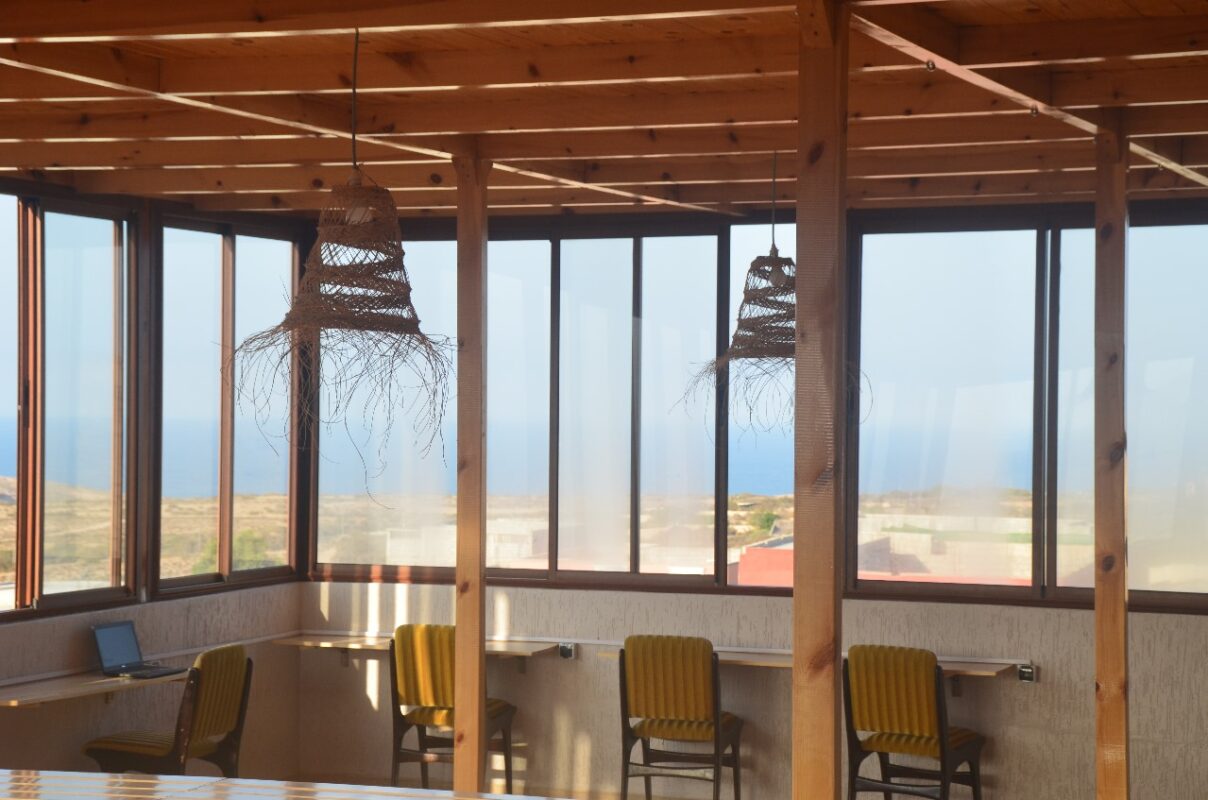
Tamri Surf Camp
Tamri Surf Camp offers an exceptional surf experience with a welcoming, attentive team that guides guests to uncrowded surf breaks tailored to individual skill levels. The spacious villa, located between Imsouane and Taghazout, provides a comfortable base with excellent amenities, delicious food, and additional activities like sandboarding and desert trips.
Camino Surfcamp Morocco
More Surf Regions in Morocco
- Taghazout – Morocco's surf capital, world-class point breaks
- Imsouane – Africa's longest wave, perfect for longboarders
- Essaouira – UNESCO medina meets beginner-friendly beaches