Spain
Best Time to Surf
Jan to Dec
Surfing Canary Islands, Spain
The Canary Islands are Europe's warm-water surf escape, a volcanic archipelago 100km off the African coast where Atlantic swells meet subtropical climate. Often called the "Hawaii of Europe," the islands deliver consistent reef breaks, year-round surfable conditions, and water temperatures that never require more than a 3/2mm wetsuit.
Lanzarote and Fuerteventura (the eastern islands) offer the most consistent conditions. El Quemao on Lanzarote is a powerful, hollow left breaking over volcanic reef, producing heavy barrels that challenge even experienced surfers. La Santa delivers quality right-handers near the famous sports village. Famara, a long sandy beach backed by dramatic cliffs, provides consistent waves for beginners and intermediates with multiple peaks spreading crowds.
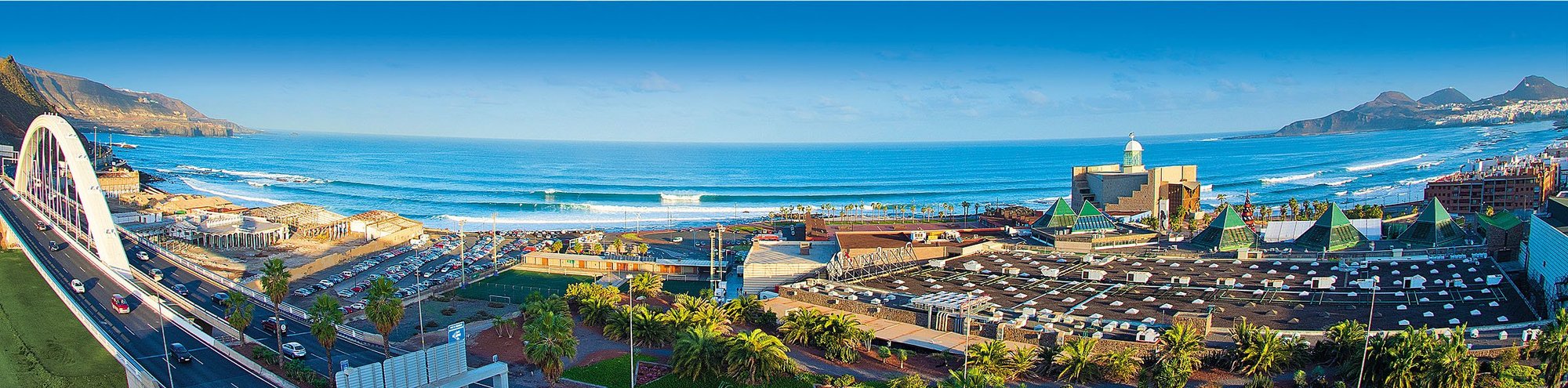
Gran Canaria blends urban accessibility with quality surf. El Confital in Las Palmas is a world-class right-hand reef, powerful and hollow, hosting international competitions. Las Canteras, the city beach, offers variety from protected learner sections to hollow peaks on solid swells. The north coast features numerous reef setups like El Lloret.
Tenerife, the largest island, has reliable options despite heavy tourism. Bajamar on the north coast works on N swells, while La Izquierda at Playa de las Americas delivers heavy left-hand tubes (crowded, with notable localism).
The volcanic bottom creates sharp, shallow reefs that demand respect. Booties help for rocky entries. Bodyboarding thrives here given the power of many breaks. Localism exists at premier spots but beach breaks like Famara are welcoming.
Winter (November-March) brings the best swells from NW Atlantic storms. Summer sees strong NE trade winds creating choppy conditions on exposed coasts. Water stays 18-22°C year-round.
Explore More Spanish Surf Regions
→ Surf guide to Northern Spain → Surf guide to Southern Spain
Surf Culture in Canary Islands
The Canary Islands blend Spanish culture with a unique Atlantic island identity. Surfing has grown significantly since the 1970s, with strong local scenes on each island. Bodyboarding is particularly popular, with locals charging heavy reef tubes.
Each island has its character: Lanzarote feels volcanic and otherworldly with César Manrique's architectural influence. Fuerteventura is windswept and raw, attracting kitesurfers alongside wave riders. Gran Canaria mixes cosmopolitan Las Palmas with rugged northern coast. Tenerife has the most tourism infrastructure with Playa de las Americas party scene, while authentic Canarian life continues in northern towns.
The vibe ranges from laid-back beach towns to competitive lineups. Localism exists at quality reef breaks (some spots have been declared locals-only) but most beach breaks welcome visitors. The Latin influence means late nights, long lunches, and a social surf culture.
Budget travel is possible outside resort zones. Many European surfers winter here escaping northern cold. The combination of warm water, consistent waves, and reliable sunshine creates a distinct surf-trip destination that rivals destinations much further from Europe.
Best Surf Spots in Canary Islands
El Confital
ExpertWorld-class right-hander in Gran Canaria. Heavy, powerful wave breaking over volcanic reef. Hosts international competitions. Requires solid swell from the NW. Localism present but manageable with respect. One of Europe's best waves.
El Quemao
ExpertPowerful, hollow left in Lanzarote known for heavy barrels. Breaks over shallow lava reef. Only for experienced surfers comfortable in critical situations. Can produce perfect tubes on the right swell.
La Santa
AdvancedQuality right-hander near La Santa Sport village in Lanzarote. Works on NW swells. Multiple sections with hollow takeoffs. Easier paddle out through the channel. Popular with visiting surfers.
Famara
Beginner to IntermediateLong sandy beach in Lanzarote with consistent waves. Multiple peaks spread crowds. Ideal for beginners and intermediates. Several surf schools operate here. Works on most swells with offshore easterly winds.
Las Canteras
All levelsUrban beach in Las Palmas, Gran Canaria with variety of breaks. The outer reef "La Barra" offers protection creating mellow sections for learners. Northern end gets hollow on solid swells. Good for all levels with something for everyone.
Lobos
AdvancedQuality right point on the small island of Lobos off Fuerteventura. Requires boat access. Long, workable walls when conditions align. Uncrowded due to logistics. Worth the effort on a good swell.
Bajamar
AdvancedSolid reef setup on Tenerife's north coast. Works on N swells. Several peaks along the rocky coast. Local knowledge helps navigate the lineup. Quality waves when autumn/winter swells hit.
La Izquierda (Tenerife)
ExpertHeavy left reef at Playa de las Americas. Hollow, powerful wave with strong localism. Crowded on good days. For experienced surfers only. Can be dangerous on bigger swells with shallow reef.
Canary Islands Surf Conditions
Weather
Year-round Sunshine: The Canaries enjoy one of the world's most stable climates. Nicknamed "Islands of Eternal Spring," temperatures rarely drop below 17°C or rise above 28°C.
Winter (Nov-Mar): Air temps 18-24°C. Best surf season with consistent NW swells. Occasional rain, mostly in the mountains. Trade winds lighter than summer.
Summer (Jun-Sep): Air temps 24-30°C. Strong NE trade winds blow consistently, creating choppy conditions on exposed coasts. Swell drops significantly. Early mornings offer calmest conditions.
Spring/Autumn (Apr-May, Oct): Shoulder seasons with pleasant weather and declining/building swells. Good balance of conditions and fewer tourists.
Island Variations: Southern coasts are drier and sunnier. Northern coasts receive more swell but also more wind and occasional clouds. Lanzarote and Fuerteventura are driest. Tenerife and Gran Canaria have microclimates with green, wet northern zones.
Water Conditions
Water Temperature:
- Winter (Dec-Mar): 18-20°C (3/2mm fullsuit or shorty)
- Spring (Apr-May): 19-21°C (3/2mm or shorty)
- Summer (Jun-Sep): 22-24°C (shorty or boardshorts)
- Autumn (Oct-Nov): 21-23°C (shorty or 3/2mm)
Tidal Range: Approximately 2 meters, enough to significantly affect volcanic reef breaks. Many spots have narrow optimal windows. Beach breaks work through most tides.
Bottom Type: Predominantly volcanic rock and lava reef. Sharp, shallow, and unforgiving. Reef booties recommended for rocky entries. Some sandy beaches at Famara, Flag Beach, and Las Canteras.
Hazards: Sharp volcanic rock is the primary hazard. Sea urchins common in reef areas. Strong currents at exposed points. Some spots have difficult paddle-outs through channels. Localism at certain breaks can create tense lineups.
How to Get to Canary Islands
Airports: Each major island has an airport. Gran Canaria (LPA), Tenerife South (TFS) and North (TFN), Lanzarote (ACE), Fuerteventura (FUE). Direct flights from most European cities, especially budget carriers.
Inter-Island Travel: Ferries connect all islands with Fred Olsen (fast) and Naviera Armas (slower, cheaper). Fuerteventura-Lanzarote is a quick 30-minute crossing. Binter Canarias operates frequent short flights between islands.
Rental Cars: Essential for accessing breaks beyond resort areas. Available at all airports from €20-35/day. Book in advance during peak season (Dec-Feb). 4WD not necessary for most spots.
Getting Around: Island roads are good quality. Some reef breaks require navigating dirt tracks. Northern coasts of all islands tend to be windier and more rural. Southern resort areas have the most infrastructure.
Board Transport: Roof racks available on most rentals. Protect boards from intense sun. Inter-island ferries accommodate boards easily. Airlines charge €30-60 each way for board bags.
Surf Camps in Canary Islands
Surf Camps
View all →
High Voltage Maspalomas Surf
Mauri Surf Lanzarote
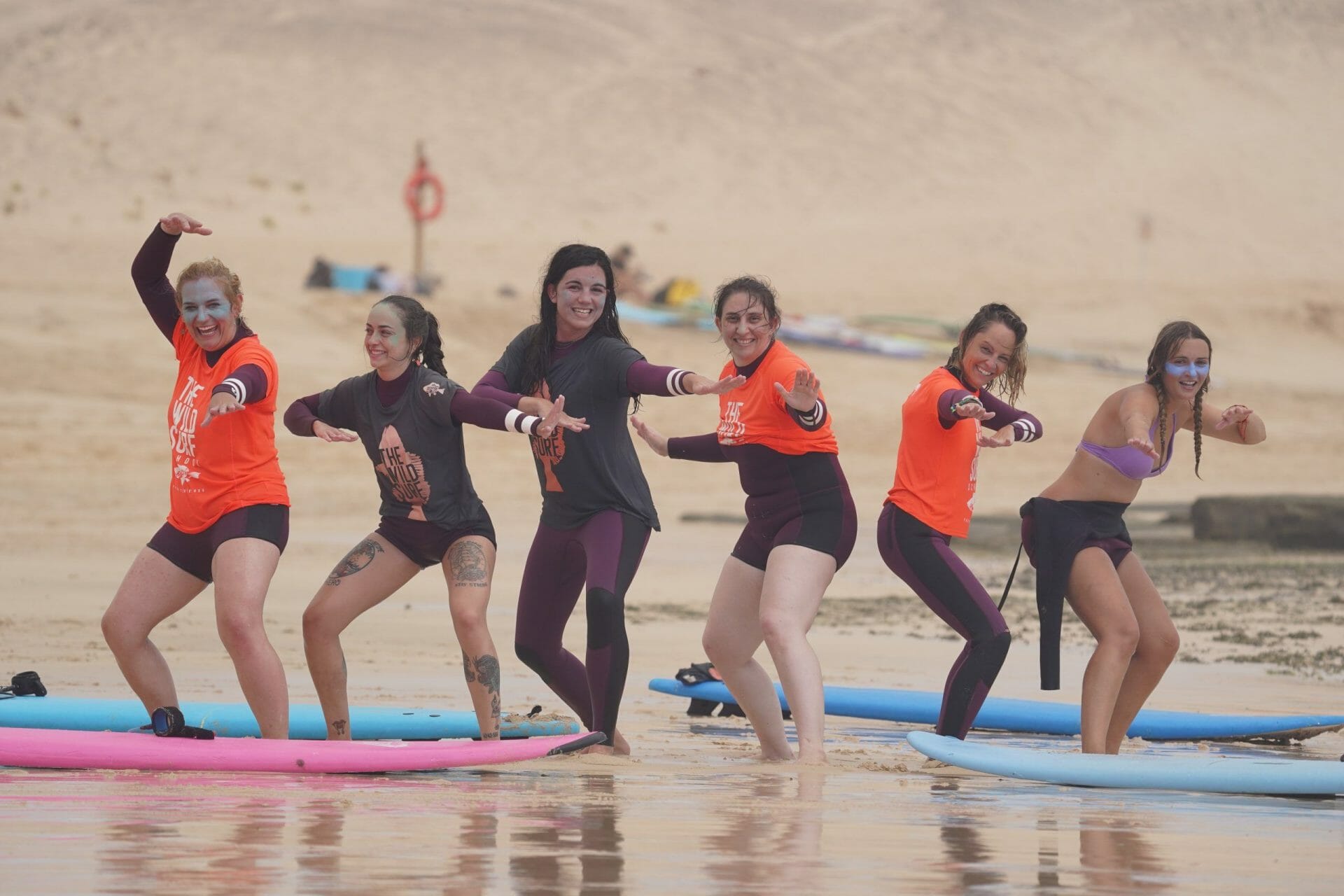
The Wild Surf Fuerteventura
WAVE CULTURE Tenerife Surf Camp
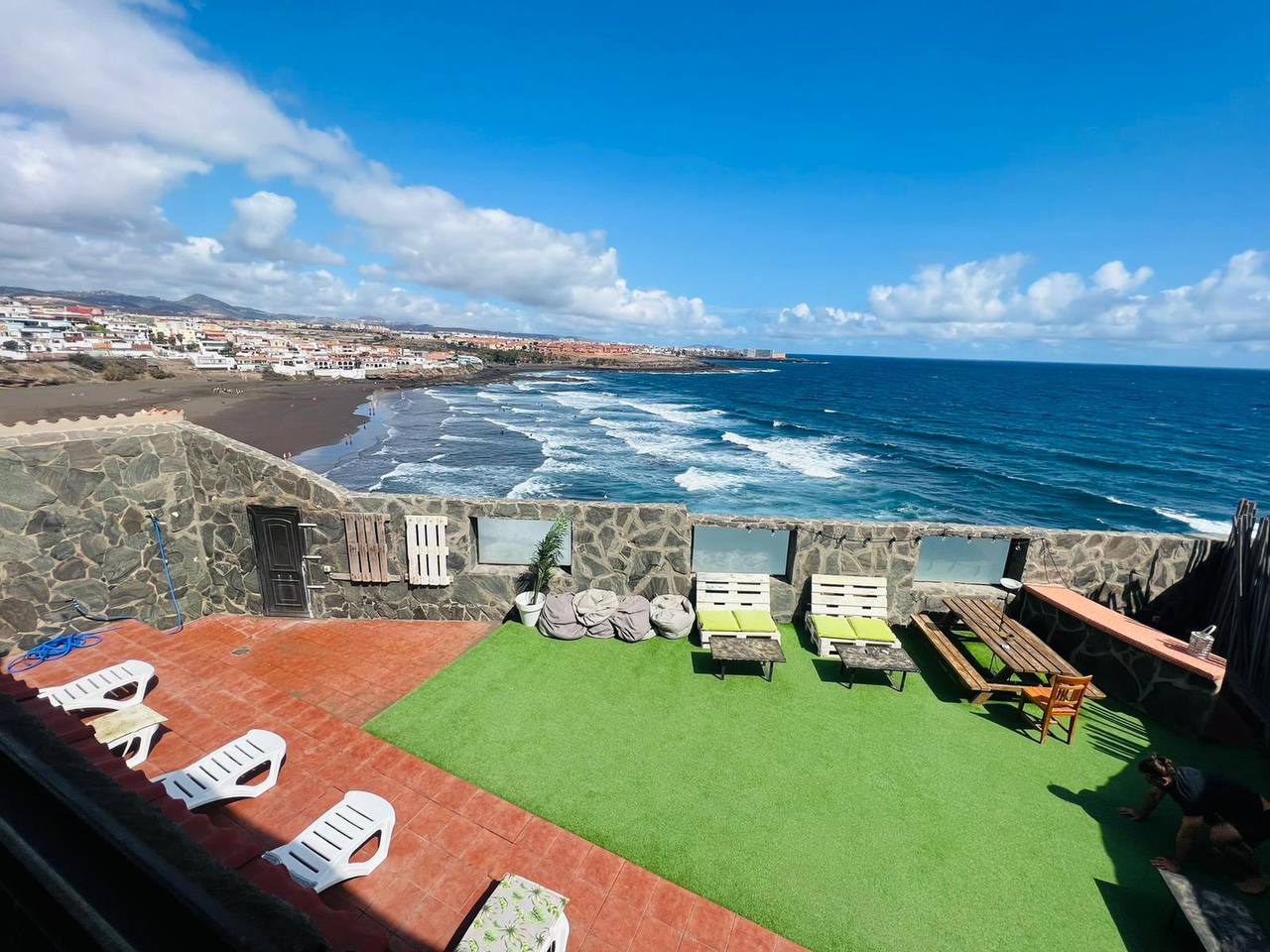
High Voltage Gran Canaria Surf Camp & Surf School
Lanzarote Surf - Famara
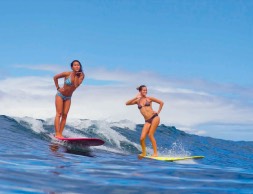
Lanzasurf Surf & Yoga
MOJOSURF Gran Canaria Surfcamp & Surfschool
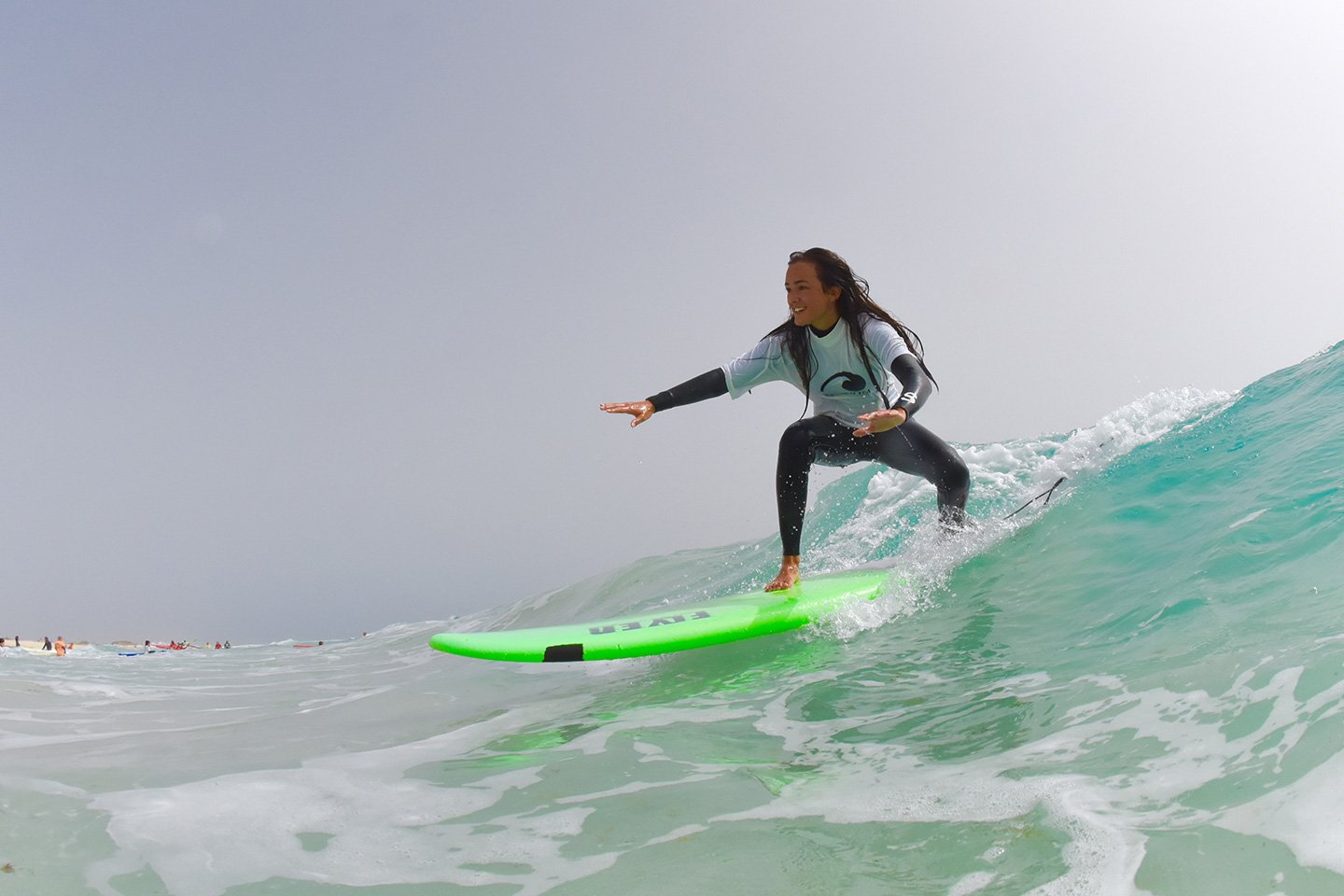
Surfintrip – Surf Camp & School Fuerteventura
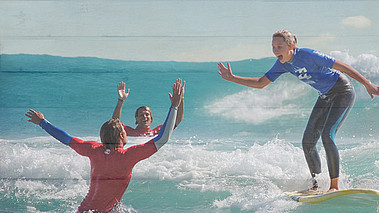
OTRO MODO Surfcamp Hostel Fuerteventura
Red Star Surf & Yoga Camp
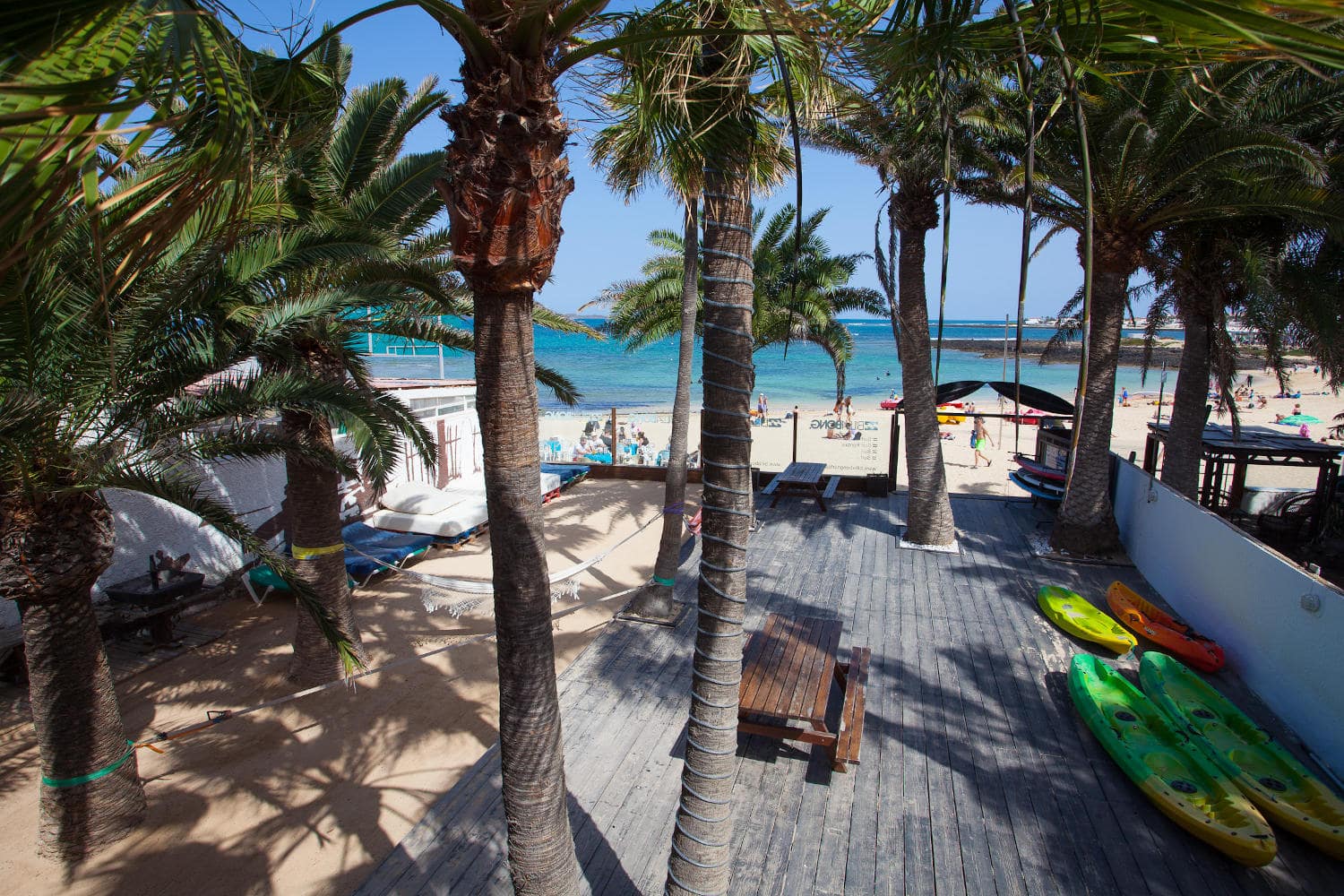
Billabong Surf Camp
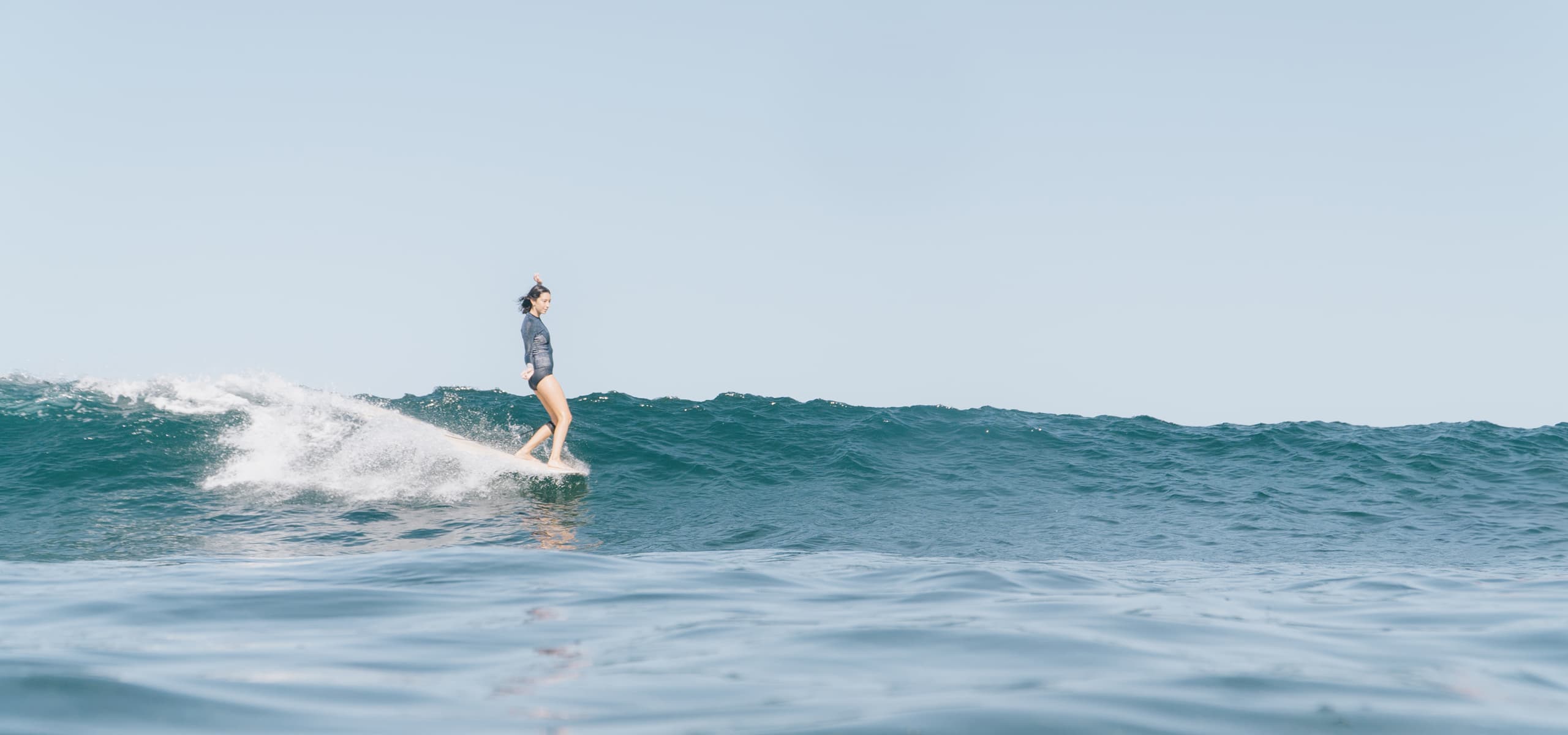
Dreamsea Surf School Las Palmas
Surf Camp Las Palmas
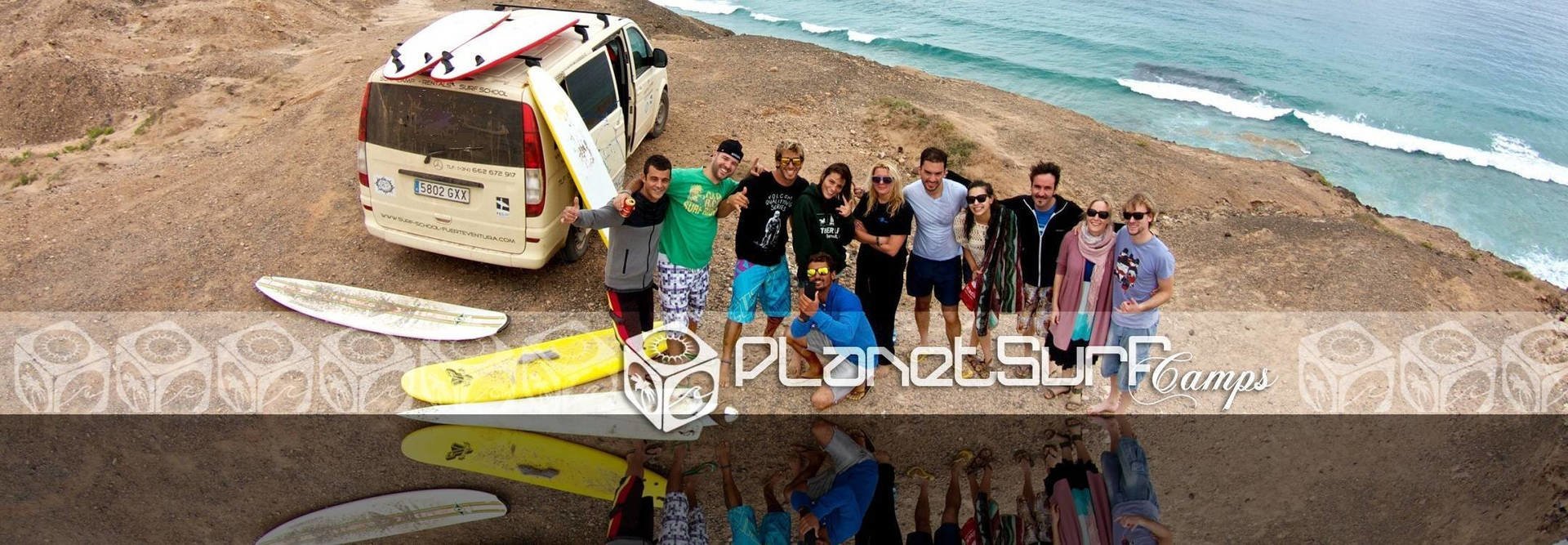
Planet Surfcamps - Fuerteventura
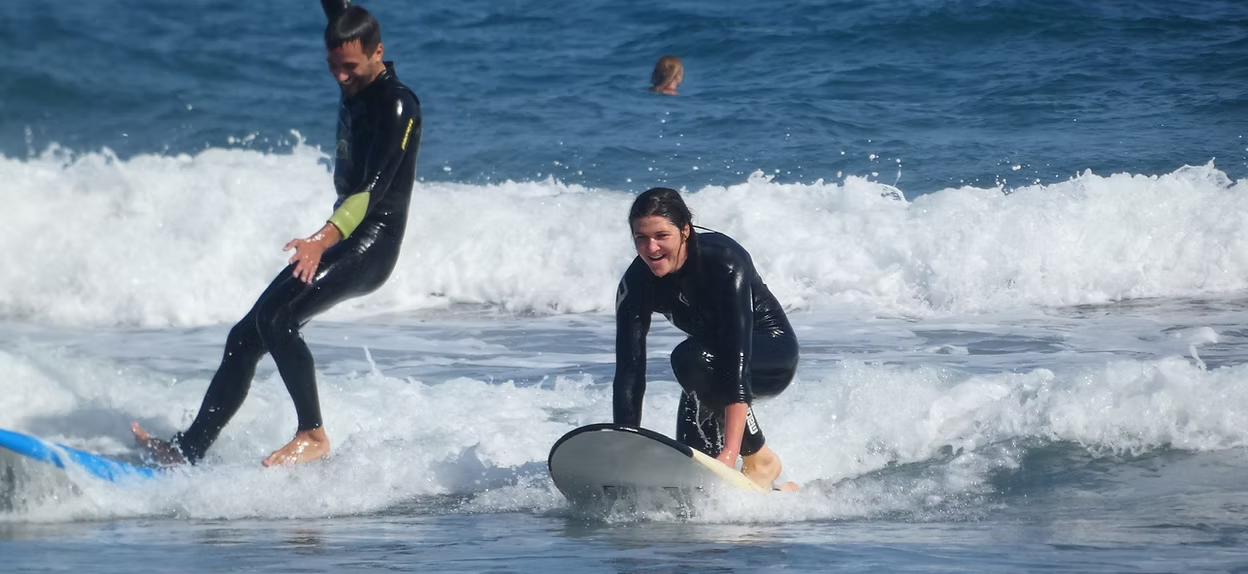
Atlantis Surf Hostel
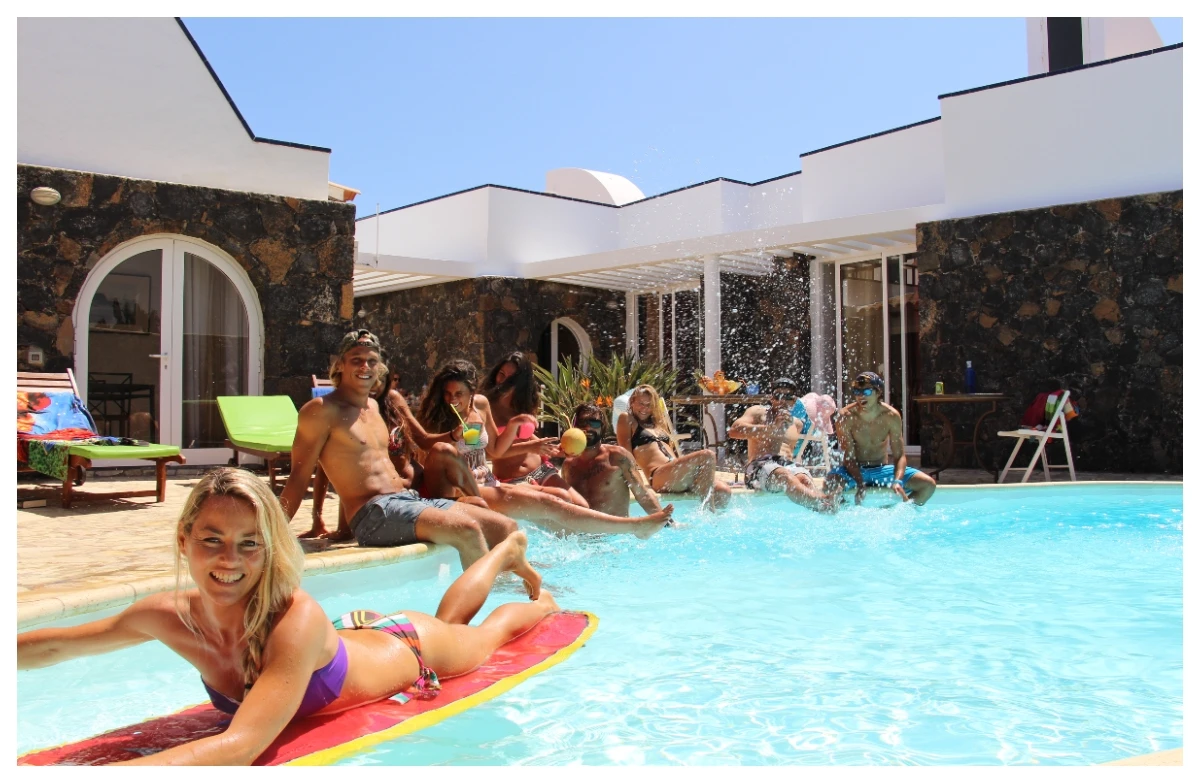
Sunwave Surfcamp powered by Quiksilver & Roxy
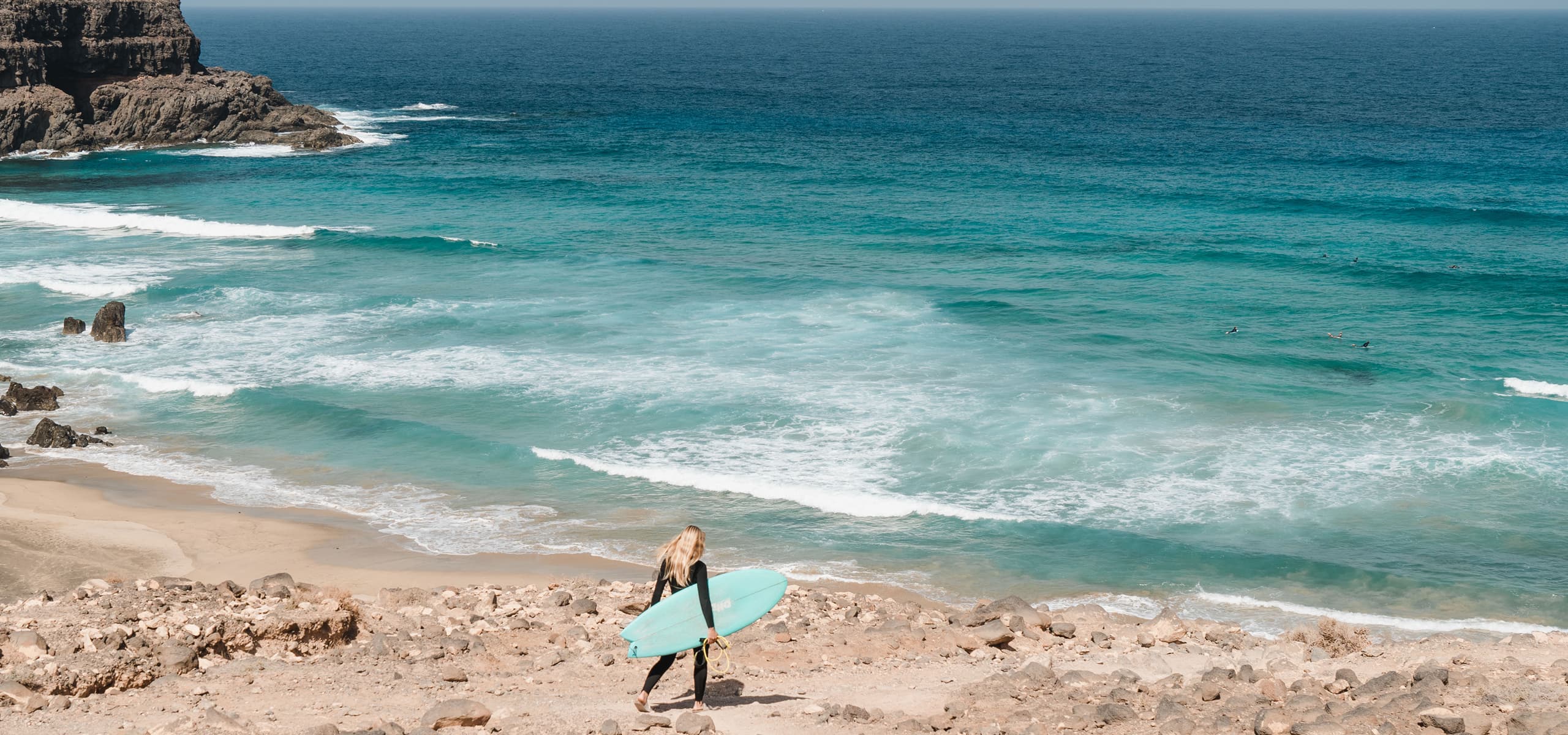
Dreamsea Surf Camp Fuerteventura
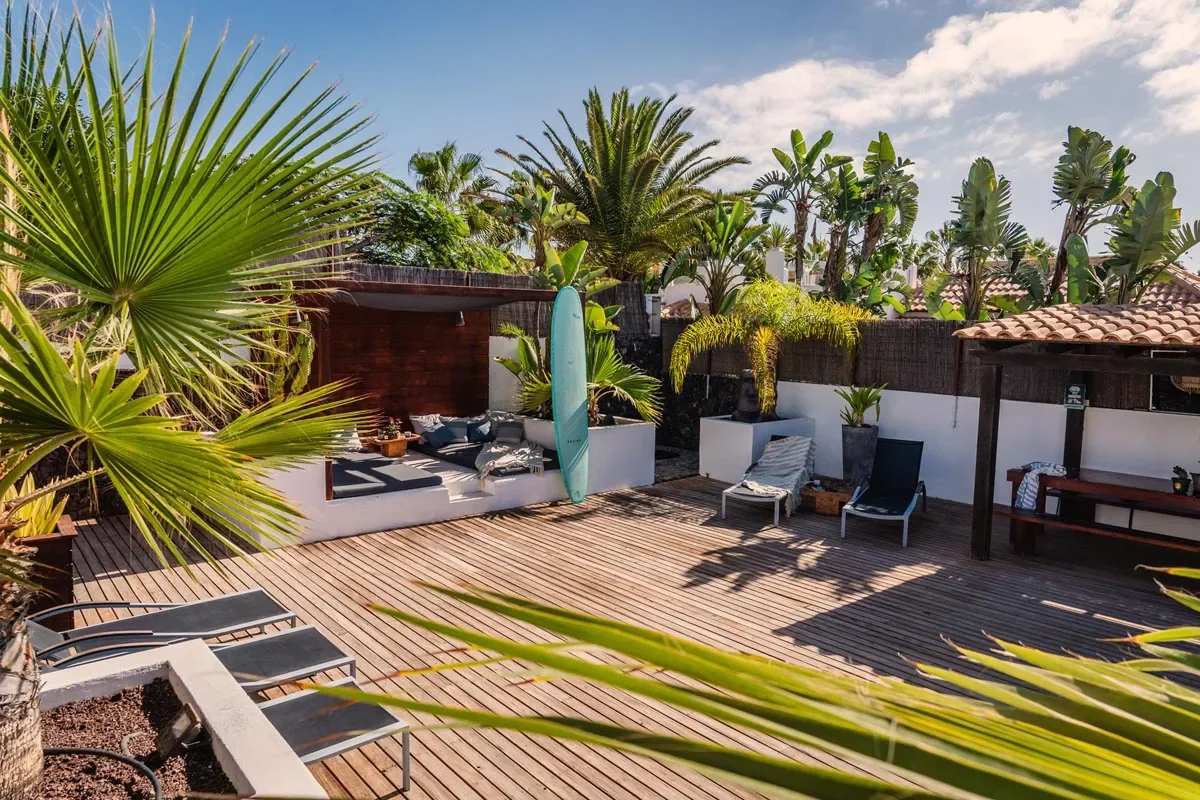
Line up Kite & Surf Camp
KYO Surf Hostel