Are you the owner of Surf Camp Famara? Claim this profile to add photos, packages, and connect directly with travelers.
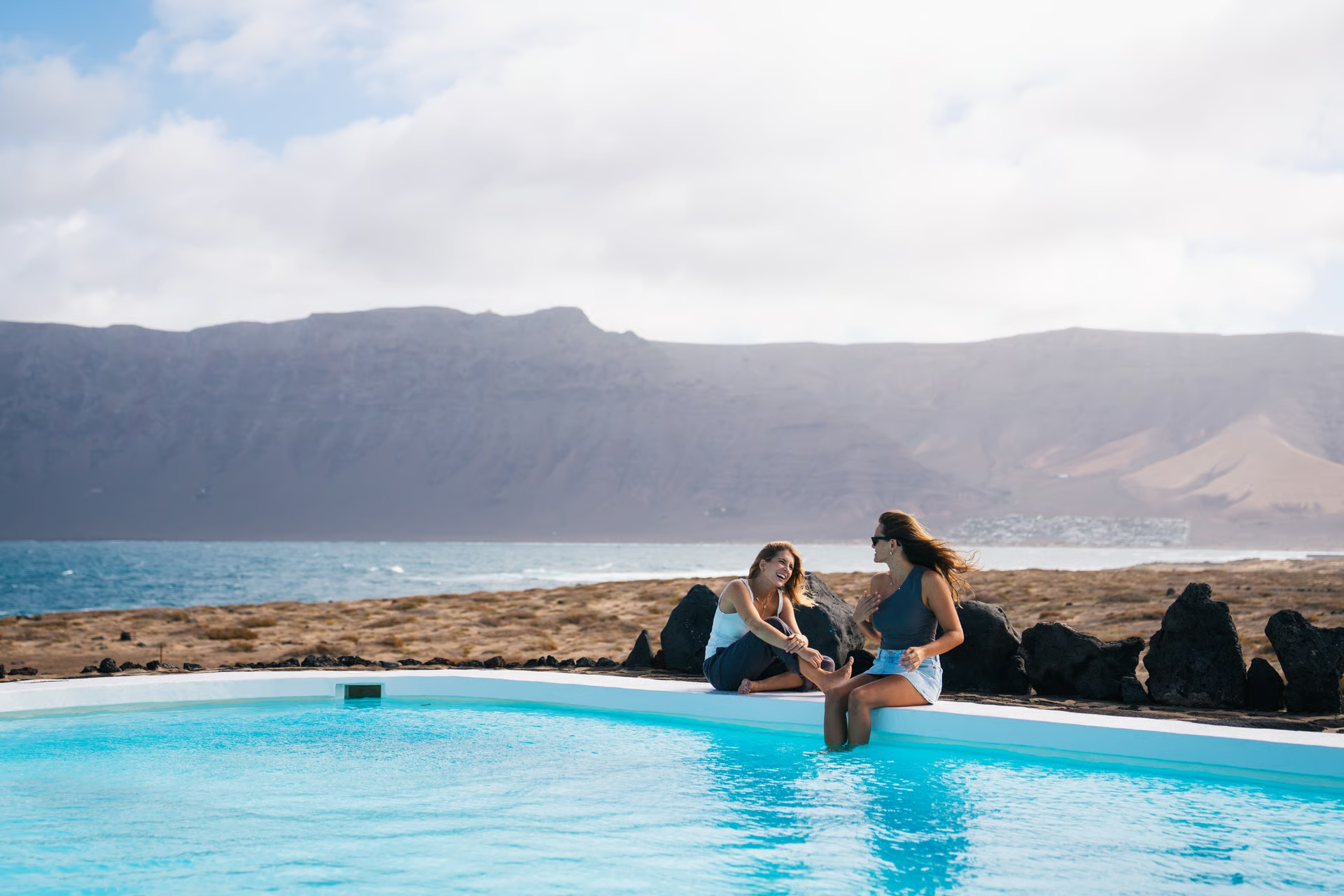
Conditions in Canary Islands
Weather
Year-round Sunshine: The Canaries enjoy one of the world's most stable climates. Nicknamed "Islands of Eternal Spring," temperatures rarely drop below 17°C or rise above 28°C.
Winter (Nov-Mar): Air temps 18-24°C. Best surf season with consistent NW swells. Occasional rain, mostly in the mountains. Trade winds lighter than summer.
Summer (Jun-Sep): Air temps 24-30°C. Strong NE trade winds blow consistently, creating choppy conditions on exposed coasts. Swell drops significantly. Early mornings offer calmest conditions.
Spring/Autumn (Apr-May, Oct): Shoulder seasons with pleasant weather and declining/building swells. Good balance of conditions and fewer tourists.
Island Variations: Southern coasts are drier and sunnier. Northern coasts receive more swell but also more wind and occasional clouds. Lanzarote and Fuerteventura are driest. Tenerife and Gran Canaria have microclimates with green, wet northern zones.
Water Conditions
Water Temperature:
- Winter (Dec-Mar): 18-20°C (3/2mm fullsuit or shorty)
- Spring (Apr-May): 19-21°C (3/2mm or shorty)
- Summer (Jun-Sep): 22-24°C (shorty or boardshorts)
- Autumn (Oct-Nov): 21-23°C (shorty or 3/2mm)
Tidal Range: Approximately 2 meters, enough to significantly affect volcanic reef breaks. Many spots have narrow optimal windows. Beach breaks work through most tides.
Bottom Type: Predominantly volcanic rock and lava reef. Sharp, shallow, and unforgiving. Reef booties recommended for rocky entries. Some sandy beaches at Famara, Flag Beach, and Las Canteras.
Hazards: Sharp volcanic rock is the primary hazard. Sea urchins common in reef areas. Strong currents at exposed points. Some spots have difficult paddle-outs through channels. Localism at certain breaks can create tense lineups.