Spain
Best Time to Surf
Apr to Nov
Surfing Southern Spain, Spain
Southern Spain (Andalucia) catches Atlantic swells filtered past Portugal, creating a laid-back surf scene centered around the beaches near Cádiz. While waves are smaller and less consistent than northern Spain or Portugal, the region offers mild winter climate, excellent beginner conditions, and authentic Andalucian culture that makes it worth the trip.
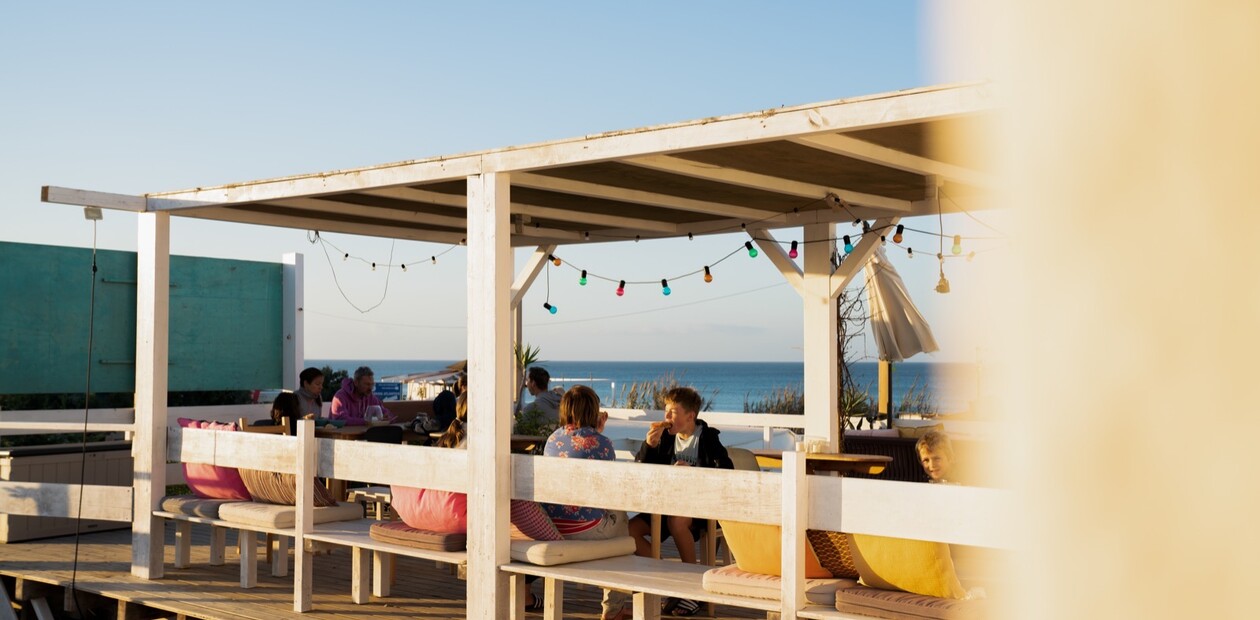
El Palmar is the region's surf capital, a quality beach break near Conil de la Frontera with excellent sandbars producing multiple peaks. The forgiving waves attract numerous surf camps and schools, making it ideal for learners and intermediates. Nearby La Fontanilla offers similar conditions with slightly more protection.
Los Caños de Meca features a left-hand reef that works on solid swells with north winds. Yerbabuena is a right-hand point break over uneven reef, needing bigger swells to show its potential. Barbate produces left-hand waves at the rivermouth on larger winter swells.
Our Experience
We spent two months in Andalucia during winter, digital nomading between Cádiz and Conil de la Frontera. Cádiz old town is beautiful and authentic with winding streets, local markets, orange trees everywhere, and ocean views from almost anywhere. But after a few weeks, we found it lacked energy, especially at night. The modern beachfront (tall apartment blocks crammed along the coast) felt soulless in comparison.
We moved to Conil de la Frontera and it was the right call. This small town of white fishermen houses has a lively center where locals still gather on terraces with guitars, singing and dancing into the night. The surf beaches are a 10-minute walk away, with cafes and a proper surf vibe.
The honest truth: the surf was scarce and small throughout our stay. This isn't Bali, Sri Lanka, or Portugal for consistency. But the atmosphere, the people, and the culture made up for it. Just avoid summer when the numerous campings, resorts, and beach clubs turn this quiet coast into a mini-Marbella.
And if you visit Andalucia, Seville is unmissable. One of the most beautiful and lively cities we've ever explored.
Practical Info
Andalucia sits in Portugal's swell shadow, meaning waves are typically smaller and need solid NW groundswell to really fire. The Levante (east wind) dominates winter, creating offshore conditions and dry, sunny weather. The Poniente (west wind) rules summer with onshore flow and mostly flat conditions. October to May is surf season. Water stays warm by European standards (15-22°C).
Explore More Spanish Surf Regions
→ Surf guide to Northern Spain → Surf guide to Canary Islands
Surf Culture in Southern Spain
Andalucia offers a distinctly different surf vibe from Northern Spain. The region blends Atlantic surf culture with southern Spanish lifestyle: flamenco, tapas, sherry wine from Jerez, and Moorish heritage.
El Palmar is the hub, a small beach village with numerous surf camps, cafes, and a relaxed atmosphere. Conil de la Frontera nearby offers traditional white-washed Andalucian architecture and excellent seafood. Tarifa, at Spain's southern tip, is known more for kitesurfing but has a vibrant, alternative scene.
The pace is slower here. Long lunches, late dinners, and afternoon siestas are cultural norms. Surfers often combine trips with visits to Seville, Jerez bodegas, or the preserved Roman ruins at Baelo Claudia near Bolonia beach.
Crowds are lighter than Northern Spain, with mostly local Spanish surfers and European visitors seeking winter sun. The scene is welcoming and beginner-friendly, lacking the intensity of Basque Country lineups. Summer brings beach tourism but the surf is largely flat anyway.
Best Surf Spots in Southern Spain
El Palmar
Beginner to IntermediateTop-quality beach break near Conil de la Frontera with excellent sandbars. Multiple peaks spread across a long beach. Works on a range of swells and tides. The surfing epicenter of Andalucia with numerous surf camps. Consistent and forgiving.
Yerbabuena
IntermediateRight-hand point break over uneven reef. Needs solid swell to work as it sits in the Portugal swell shadow. Sectiony but fun on good days. One of the few point breaks in the region.
Los Caños de Meca
IntermediateClassic left-hander working in solid swells with N winds. Breaks over submerged reef. Can produce quality walls when conditions align. Part of the La Janda coastline running to Tarifa.
Barbate
IntermediateRivermouth producing left-hand waves on bigger swells. Needs solid NW groundswell to light up. Sandy bottom makes it more forgiving than reef breaks. Uncrowded compared to El Palmar.
Southern Spain Surf Conditions
Weather
Mediterranean Climate: Andalucia has Spain's warmest and driest weather. Over 300 sunny days per year.
Winter (Nov-Mar): Air temps 12-18°C. Best surf season. Levante (east) winds bring dry, sunny conditions and offshore winds for the coast. Occasional rain.
Summer (Jun-Aug): Hot at 28-35°C. Strong poniente (west) winds blow onshore, making surf conditions poor. Waves mostly flat. Beach holiday season.
Spring/Autumn: Ideal weather with temps 18-25°C and transitional swell patterns. Best combination of waves and pleasant conditions.
Wind Patterns: Levante (east) wind dominates winter, creating offshore conditions and dry weather. Poniente (west) wind rules summer with onshore flow. The Strait of Gibraltar funnels and intensifies both.
Water Conditions
Water Temperature:
- Winter (Dec-Mar): 15-17°C (3/2mm fullsuit)
- Spring (Apr-May): 17-19°C (3/2mm)
- Summer (Jun-Aug): 20-23°C (shorty or 2mm)
- Autumn (Sep-Nov): 19-21°C (3/2mm or shorty)
Tidal Range: Moderate at 2-3 meters. Beach breaks work through most tides. Reef and point breaks more tide-sensitive.
Hazards: Strong currents near Tarifa (Strait of Gibraltar). Jellyfish in summer. Some rocky areas around point breaks. Generally mellow conditions at beach breaks.
How to Get to Southern Spain
Airports: Jerez de la Frontera (XRY) is closest to El Palmar area. Málaga (AGP) is the largest regional hub with more flight options, about 2 hours drive. Seville (SVQ) is 1.5 hours inland.
Getting Around: Rental car essential for accessing the coast. The A-48 runs along the coast from Cádiz to Tarifa. El Palmar is about 45 minutes from Jerez airport.
Parking: Free parking at most beaches. El Palmar can get busy in summer but generally manageable. Remote spots have easy access.
Public Transport: Limited coastal buses from Cádiz. Not practical for surf trips. Jerez has train connections to Seville and Madrid.
Surf Camps in Southern Spain
Surf Camps
View all →
La Luz Surfcamp
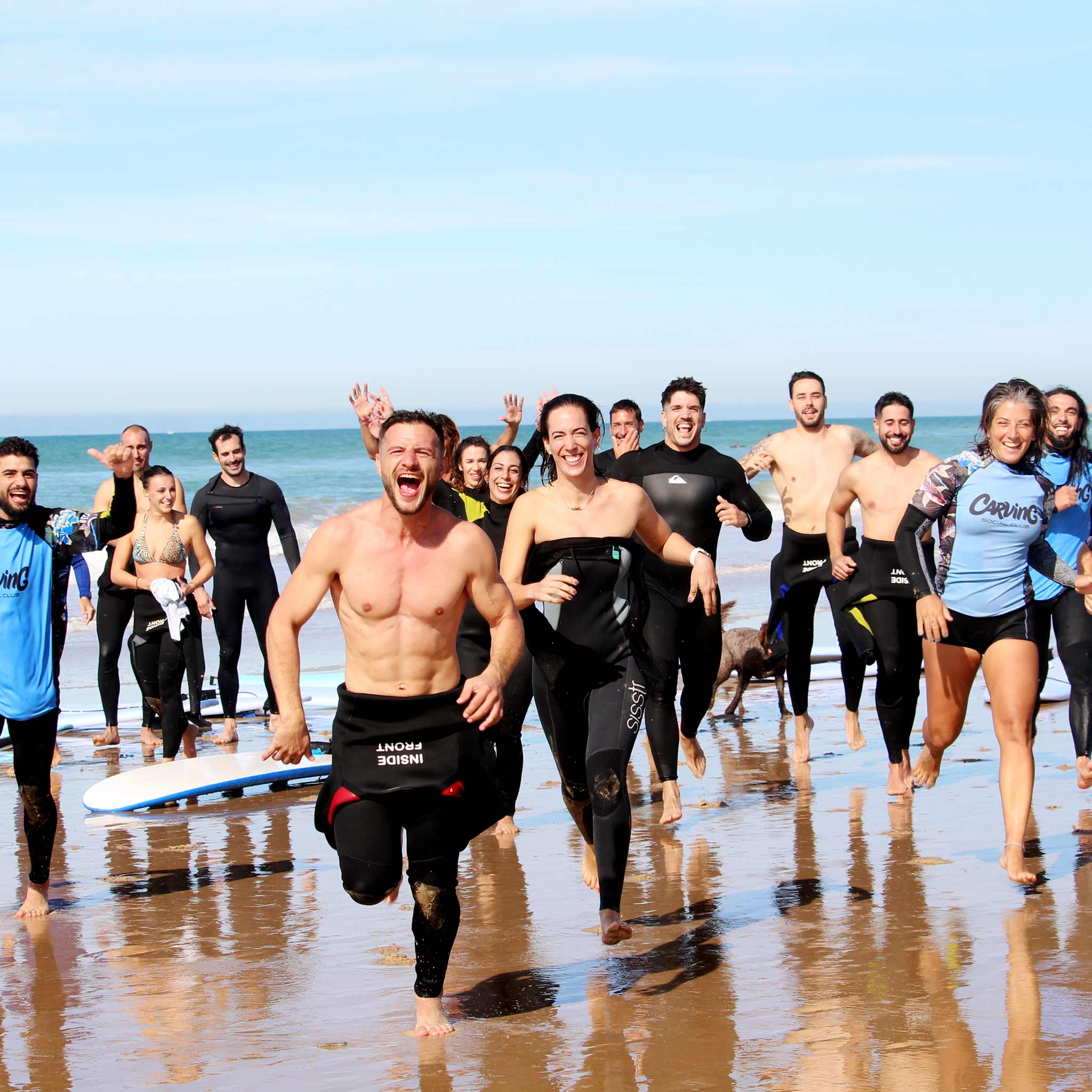
Surfhouse Carving Social Club El Palmar | Andalucía
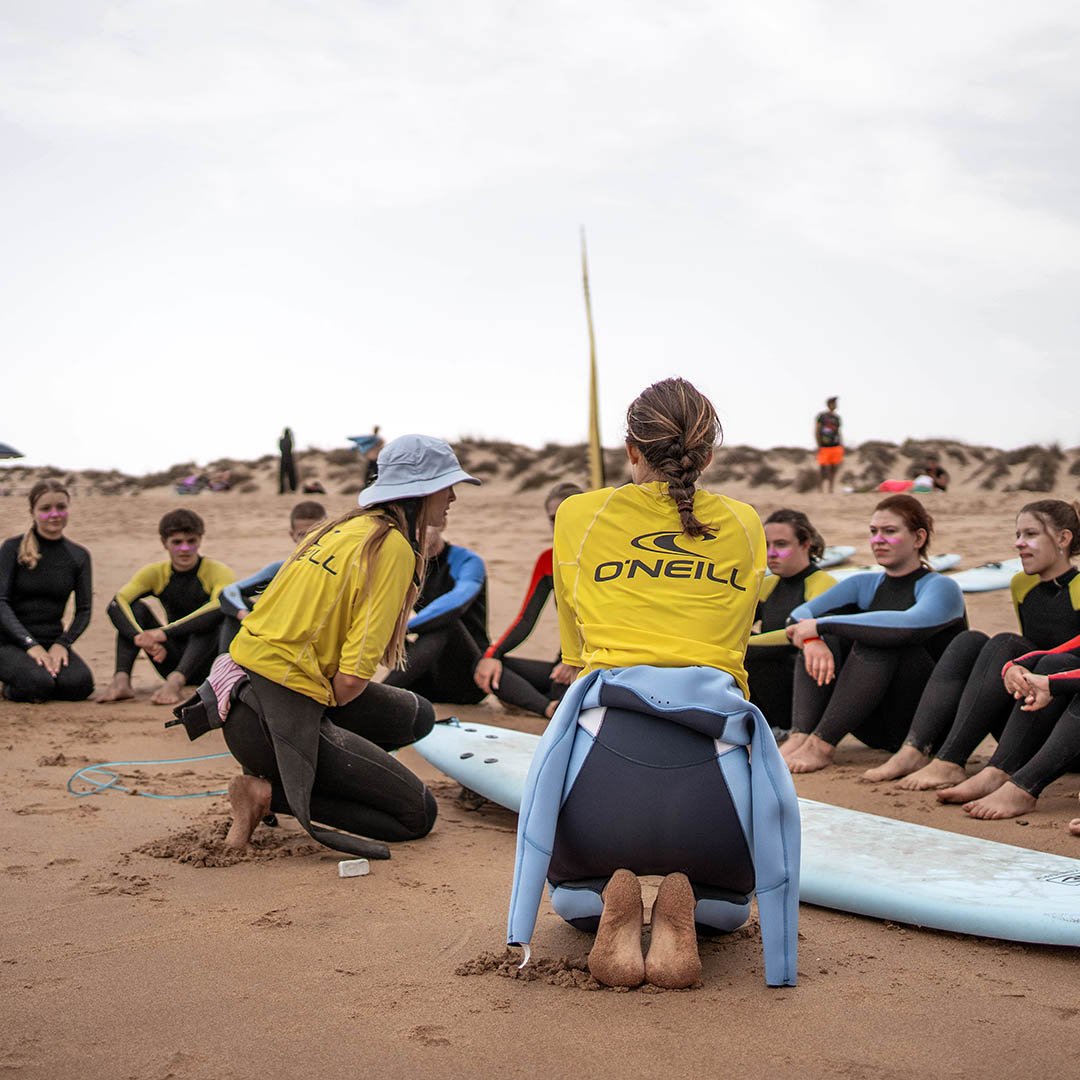
O'Neill Surf Academy Spain El Palmar