🇪🇸Spain
Surf Destinations & Guide
Spain offers some of Europe's most diverse and consistent surfing, from the powerful Atlantic swells of the Basque Country to the volcanic reefs of the Canary Islands. The northern coastline stretching from Galicia to País Vasco receives year-round swell from the Bay of Biscay, creating world-class waves like the legendary left-hand barrel at Mundaka. The Canary Islands provide a unique warm-water alternative with reef breaks comparable to Hawaii. Whether you're a beginner looking for gentle beach breaks in Cantabria or an advanced surfer chasing big-wave spots, Spain delivers remarkable variety within a relatively compact geography.
When to Surf in Spain?
Autumn (September - November)
Peak season for Northern Spain with consistent W-NW swells, clean conditions, and mild weather. Water temps around 16-18°C require a 4/3mm wetsuit. The prestigious Billabong Pro runs at Mundaka in October. Canary Islands also come alive with the first winter swells.
Winter (December - March)
Largest swells of the year hit the Atlantic coast. Northern Spain sees powerful waves but heavy rain and cold temps (12-14°C water). Canary Islands offer the best winter escape with warm water (18-20°C) and consistent NW groundswells. A 3/2mm wetsuit suffices in the Canaries.
Spring (April - May)
Transitional period with good swell consistency and improving weather. Water warms to 14-16°C in the north. Andalucia peaks with clean swells and offshore trades. Crowds thin out after Easter. Great time for intermediate surfers.
Summer (June - August)
Smallest waves of the year on the Atlantic coast. Best strategy is early morning sessions before the NE sea breeze kicks in. Cantabria and beach breaks work best. Water temps reach 18-21°C. The Canaries are windiest and least consistent. Peak tourist season means crowded lineups.
Surf Regions in Spain
Northern Spain encompasses four distinct regions along the Bay of Biscay. País Vasco (Basque Country) hosts Mundaka, considered one of the best rivermouth waves in the world, plus powerful reefs like Meñakoz. Cantabria offers consistent beach breaks ideal for intermediates at spots like Somo, Liencres, and the world-class reef at Santa Marina. Asturias features Rodiles, another legendary rivermouth left similar to Mundaka. Galicia, the westernmost region, has the highest wave climate in Europe with over 30 breaks and a 180° swell window.
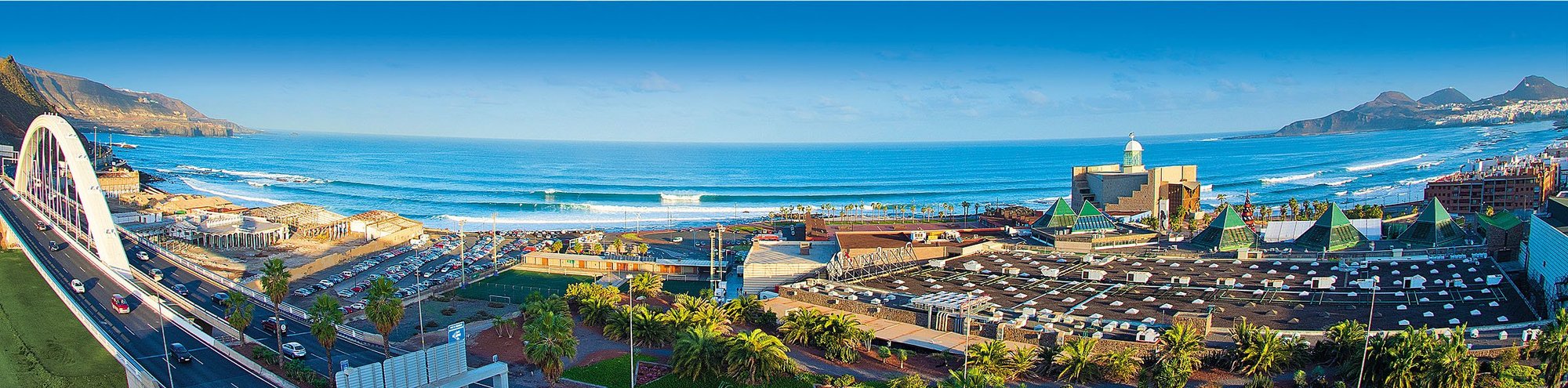
Canary Islands sit 100km off the African coast, offering volcanic reef breaks with warm water year-round. Lanzarote and Fuerteventura host powerful reef setups at El Quemao and La Santa. Gran Canaria's El Confital is a world-class right. Tenerife has consistent options from Bajamar to Las Americas.
Southern Spain (Andalucia) catches Atlantic swells filtered past Portugal. El Palmar near Cádiz offers excellent beach break peaks, while point breaks like Yerbabuena need solid swell to shine.
🏄 Best Surf Spots in Spain
From world-class reef breaks to beginner-friendly beach breaks, Spain offers 20 documented surf spots across its 3 regions.
El Confital
ExpertWorld-class right-hander in Gran Canaria. Heavy, powerful wave breaking over volcanic reef. Hosts international competitions. Requires solid swell from the NW. Localism present but manageable with respect. One of Europe's best waves.
El Quemao
ExpertPowerful, hollow left in Lanzarote known for heavy barrels. Breaks over shallow lava reef. Only for experienced surfers comfortable in critical situations. Can produce perfect tubes on the right swell.
La Santa
AdvancedQuality right-hander near La Santa Sport village in Lanzarote. Works on NW swells. Multiple sections with hollow takeoffs. Easier paddle out through the channel. Popular with visiting surfers.
Famara
Beginner to IntermediateLong sandy beach in Lanzarote with consistent waves. Multiple peaks spread crowds. Ideal for beginners and intermediates. Several surf schools operate here. Works on most swells with offshore easterly winds.
Las Canteras
All levelsUrban beach in Las Palmas, Gran Canaria with variety of breaks. The outer reef "La Barra" offers protection creating mellow sections for learners. Northern end gets hollow on solid swells. Good for all levels with something for everyone.
Lobos
AdvancedQuality right point on the small island of Lobos off Fuerteventura. Requires boat access. Long, workable walls when conditions align. Uncrowded due to logistics. Worth the effort on a good swell.
Bajamar
AdvancedSolid reef setup on Tenerife's north coast. Works on N swells. Several peaks along the rocky coast. Local knowledge helps navigate the lineup. Quality waves when autumn/winter swells hit.
La Izquierda (Tenerife)
ExpertHeavy left reef at Playa de las Americas. Hollow, powerful wave with strong localism. Crowded on good days. For experienced surfers only. Can be dangerous on bigger swells with shallow reef.
+ 12 more surf spots across Spain
Is Spain Good for Beginner Surfers?
Northern Spain's beach breaks provide excellent learning conditions, particularly in summer when swells are smaller and more manageable. Cantabria stands out for beginners with forgiving sandy beaches at Somo, Berria, and Meron that work through most tides. The region has numerous surf schools and a well-developed infrastructure.
In País Vasco, La Zurriola in San Sebastián offers a family-friendly beach break environment with easy access to rentals and lessons. Avoid the famous reef breaks like Mundaka which require expert-level skills and can be dangerous for inexperienced surfers.
The Canary Islands suit beginners at spots like Famara in Lanzarote (gentle beach break with consistent whitewater) and Las Canteras in Gran Canaria, which has a protected section behind a natural reef. Water is warmer (18-22°C), reducing wetsuit requirements to a shorty or spring suit.
Andalucia's El Palmar and La Fontanilla beaches offer mellow conditions with plenty of surf camps catering to learners. The mild climate makes it comfortable year-round.
Spain Intermediate Surfer Guide
Intermediate surfers will find Spain's variety truly rewarding. Northern Spain during spring and autumn delivers consistent 3-6ft swells perfect for progression. Cantabria's Liencres produces quality peaks across multiple sandbars. Meron and Laredo offer workable point breaks.
In Asturias, Salinas beach break has fast, consistent peaks, while you can start approaching Rodiles on smaller days (it needs larger autumn/winter swells for the famous left to really turn on).
País Vasco offers La Arena and Sopelana for intermediate surfers, with multiple peaks that can handle crowds. Zarautz, home to Europe's largest board factory (Pukas), has a long beach with options from hollow sections to mellower shoulders.
The Canary Islands suit intermediates particularly well. Gran Canaria's north coast (El Lloret, Los Enanos) works on dominant NE trade winds. Fuerteventura's Flag Beach area has approachable reef breaks. Tenerife's Almáciga is a consistent beach break in the northeast.
In Andalucia, Castilnovo and Los Caños provide intermediate reef/point options when solid Atlantic swells arrive between October and April.
How Much Does a Surf Trip to Spain Cost?
Spain offers good value compared to other European surf destinations, though costs vary significantly by region.
Accommodation: Budget surf camps and hostels run €25-50/night. Mid-range apartments €60-100/night. In Northern Spain, the Mundaka campsite offers bungalows from €90/night. Galicia is cheapest with pensions around €40/double.
Food: Pintxos (Basque tapas) €1-3 each make cheap, filling meals. Restaurant meals €12-20. Supermarket self-catering keeps costs down. The Canaries have resort pricing at tourist spots but local areas remain affordable.
Equipment: Board rentals €15-25/day, wetsuit rentals €10-15/day. Northern Spain has excellent surf shops (Pukas in Zarautz, Mundaka Surf Shop). Equipment is reportedly more expensive in Andalucia.
Transport: Rental cars from €25-40/day. Essential for chasing waves, especially in Galicia where remote breaks require vehicle access. Fuel approximately €1.60/liter.
Daily budget: €60-80 budget, €100-150 mid-range, €200+ comfort. The Canary Islands skew slightly higher due to island logistics but offer flight deals from European cities.
Travel Essentials for Surfing Spain
Visas: EU citizens have free access. USA, Australia, Canada, and New Zealand nationals can stay 90 days visa-free within the Schengen zone. Others need a Spanish consulate visa.
Getting There: Major airports include Bilbao (BIO) for País Vasco, Santander (SDR) for Cantabria, Santiago (SCQ) for Galicia, and Jerez (XRY) or Málaga (AGP) for Andalucia. Canary Islands: Gran Canaria (LPA), Tenerife (TFN/TFS), Lanzarote (ACE), Fuerteventura (FUE).
Getting Around: A car is essential, particularly in Galicia and remote coastal areas. Main highways are excellent. Coastal roads can be slow and winding in the north. Campervans are popular for surf trips along the northern coast.
Language: Spanish (Castilian) is primary. Basque, Galician, and Catalan are regional languages. English widely spoken in tourist areas and surf shops.
Safety: Spain is generally very safe (4/5 security rating). Watch for vehicle break-ins at remote beach parking, particularly in the Canaries. Sea conditions can be hazardous with strong rips, large tidal range in the north, and sharp volcanic reefs in the Canaries.
Health: Excellent healthcare system. European Health Insurance Card (EHIC) covers EU citizens. Travel insurance recommended for non-EU visitors.
Currency: Euro (€). Cards widely accepted. ATMs everywhere.
Surf Services in Spain
Find everything you need for your surf trip across Spain.
❓ Frequently Asked Questions
What is the best time of year to surf in Spain?▼
Do I need a wetsuit to surf in Spain?▼
Is Mundaka suitable for beginners?▼
Which Canary Island is best for surfing?▼
How crowded are the surf spots in Spain?▼
⭐ Top Surf Camps in Spain
View all 67 surf camps →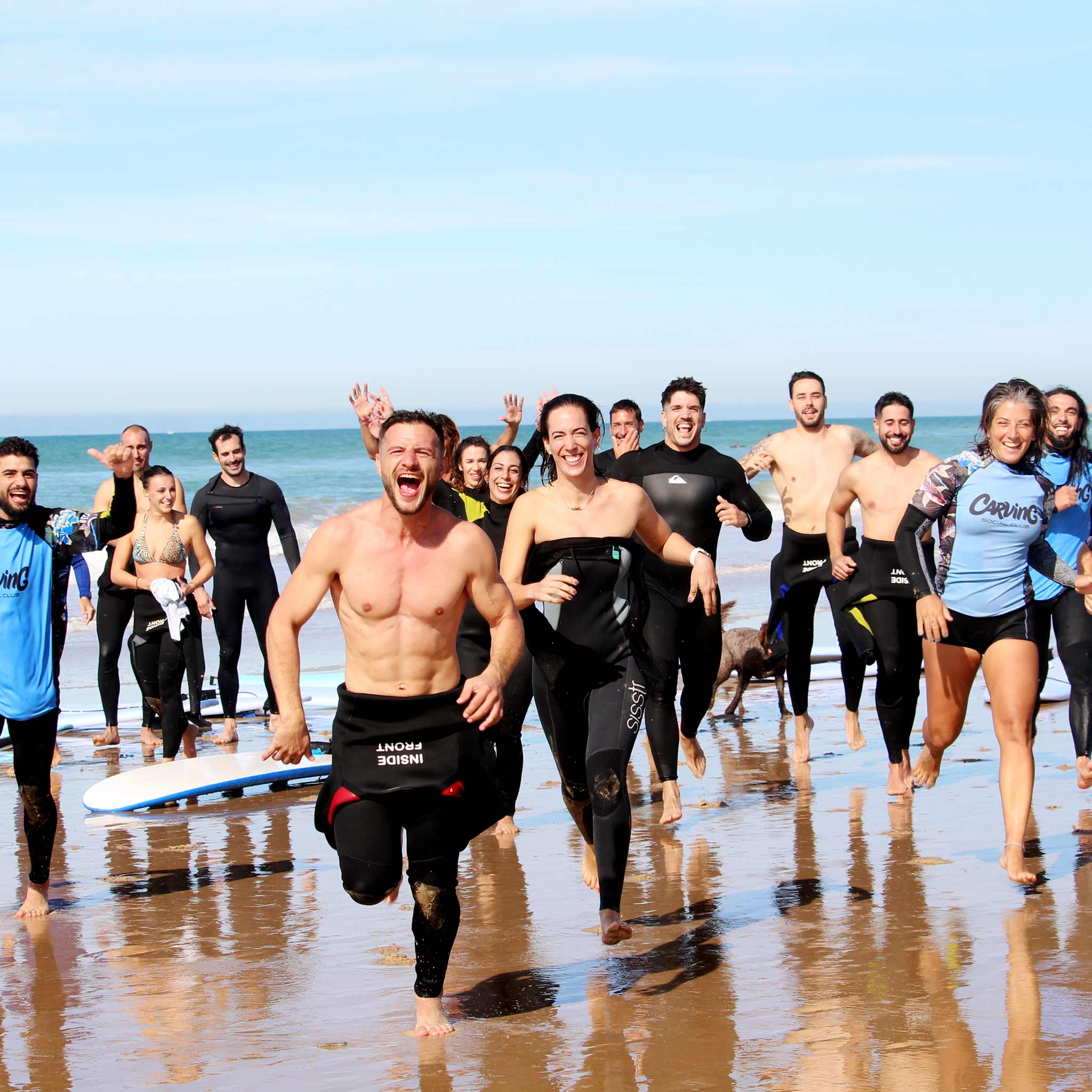
Surfhouse Carving Social Club El Palmar | Andalucía
Biosurfcamp
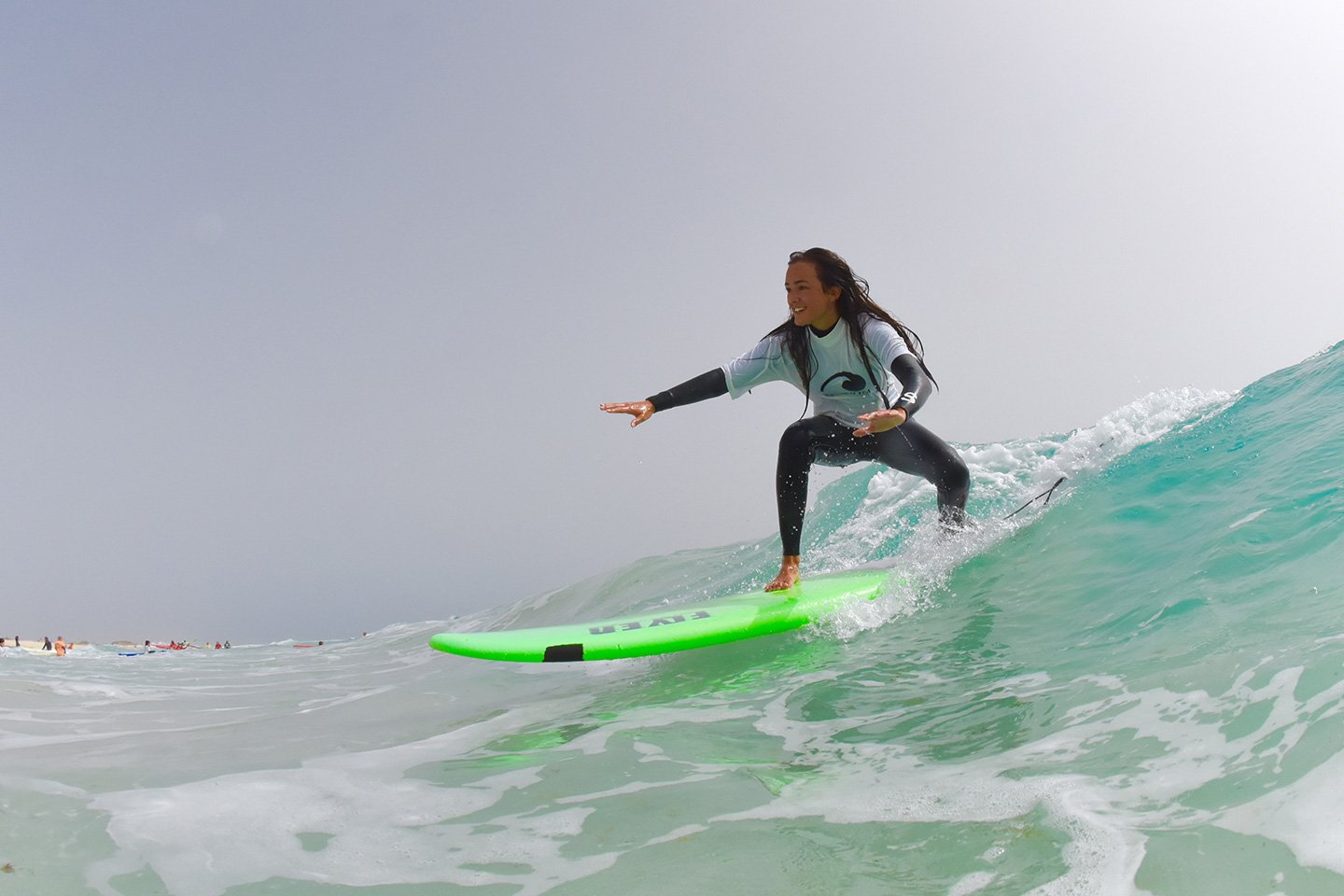
Surfintrip – Surf Camp & School Fuerteventura