Portugal
Best Time to Surf
Oct to Apr
Wave Types
Skill Levels
Surfing Madeira, Portugal
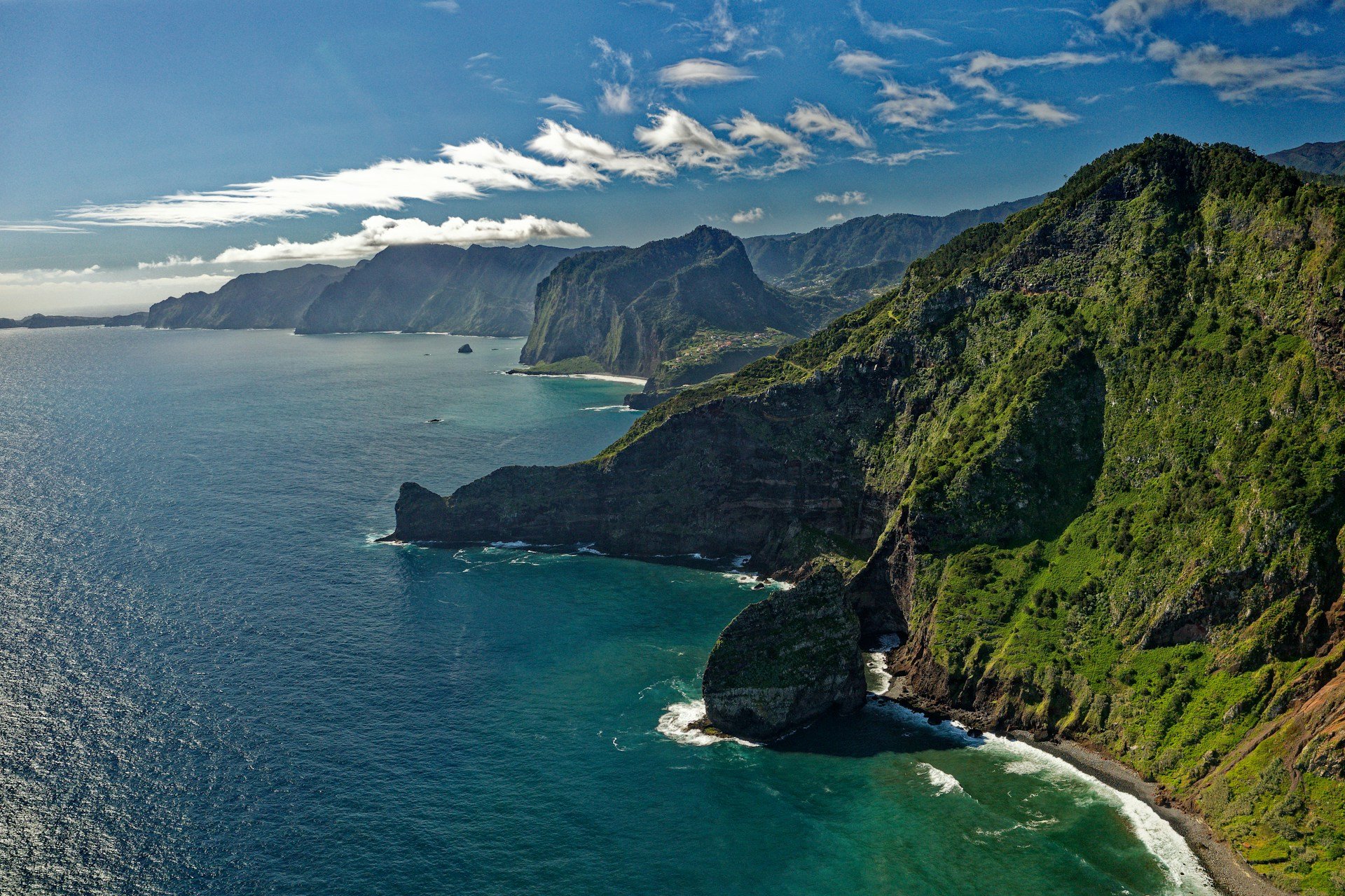
Madeira is not your typical surf destination, and that's precisely the appeal. This volcanic island rising from the Atlantic offers powerful reef breaks, year-round swells, and a raw surf experience far removed from mainland Portugal's crowds. The waves here are for experienced surfers who can handle reef, currents, and serious power.
The north coast catches the full force of Atlantic swells, with spots like Jardim do Mar and Paul do Mar producing world-class waves when conditions align. The cliffs and volcanic rock create dramatic backdrops, and the absence of sand means reef entries and shallow take-off zones.
Madeira rewards adventure-minded surfers willing to trade convenience for uncrowded, powerful waves in one of Europe's most spectacular settings. Come prepared for thick rubber and respect for the ocean.
Surf Culture in Madeira
Madeira's surf scene is small but dedicated, centered on the west coast villages.
The local scene:
- Jardim do Mar: The main surf village with guest houses and local surfers
- Paul do Mar: Working fishing village with powerful waves
- Small community: Respect goes a long way with locals
Beyond the waves:
- Levada walks: Famous irrigation channel hiking trails
- Funchal: Island capital with markets, cafes, and nightlife
- Dramatic scenery: Volcanic cliffs, laurel forests, mountain peaks
- Wine: Famous Madeira fortified wine
The vibe: Remote, rugged, and authentic. Madeira attracts surfers escaping the mainland crowds who appreciate wild Atlantic surfing. Not a party destination; more about early mornings, powerful waves, and natural beauty.
Best Surf Spots in Madeira
Jardim do Mar
advancedMadeira's most famous wave and one of Europe's best rights. A powerful, barreling point break over volcanic reef that can hold serious size. The wave peels for hundreds of meters on good days. Strong local crew. Shallow reef, booties essential. Experts only when big.
Paul do Mar
advancedWorking fishing village with a heavy right-hander breaking over boulders. More exposed and raw than Jardim do Mar. Gets bigger and heavier on the same swells. Boulder bottom can be dangerous. Authentic local atmosphere.
Ponta Pequena
intermediateA mellower option near Jardim do Mar that works on smaller swells. Still reef bottom but more forgiving than the main breaks. Good for intermediate surfers when the main points are too big or intimidating.
Madeira Surf Conditions
Weather
Madeira's position in the Atlantic creates consistent swell exposure year-round.
Peak Season (October-April):
- Powerful NW Atlantic swells arrive consistently
- Can get very big (double overhead+)
- Air temps 15-20°C, water 17-19°C
Summer (May-September):
- Smaller but still surfable swells
- Warmer water 20-23°C
- More manageable conditions for less experienced
Year-round consistency is Madeira's advantage over mainland spots.
Water Conditions
What to bring:
- 3/2mm wetsuit: Year-round (water is warmer than mainland)
- Reef booties: Essential for volcanic rock entries
- Helmet: Recommended at shallow reef breaks
Hazards to know:
- Sharp volcanic reef: Cuts are common, bring first aid
- Powerful waves: Jardim do Mar and Paul do Mar are serious
- Strong currents: Especially on bigger days
- Rocky entries: No sandy beaches at main breaks
How to Get to Madeira
Airports:
- Funchal (FNC): Main island airport, European connections
- Porto Santo: Smaller island with limited flights
Getting around:
- Rental car essential: Surf spots spread across west coast
- Winding roads: Beautiful but slow; allow time
- Funchal to Jardim do Mar: About 45 minutes
Surf Camps in Madeira
Surf Camps
View all →
More Surf Regions in Portugal
- Ericeira – Europe's first World Surfing Reserve, 65+ breaks
- Peniche – Home to Supertubos, Europe's most iconic barrel
- Lisbon & Cascais – Urban surfing meets world-class capital city
- Algarve – Two coastlines, dramatic cliffs, year-round sunshine
- Northern Portugal – Uncrowded waves, Porto wine country