France
Best Time to Surf
Sep, Oct, Nov
Surfing Brittany, France
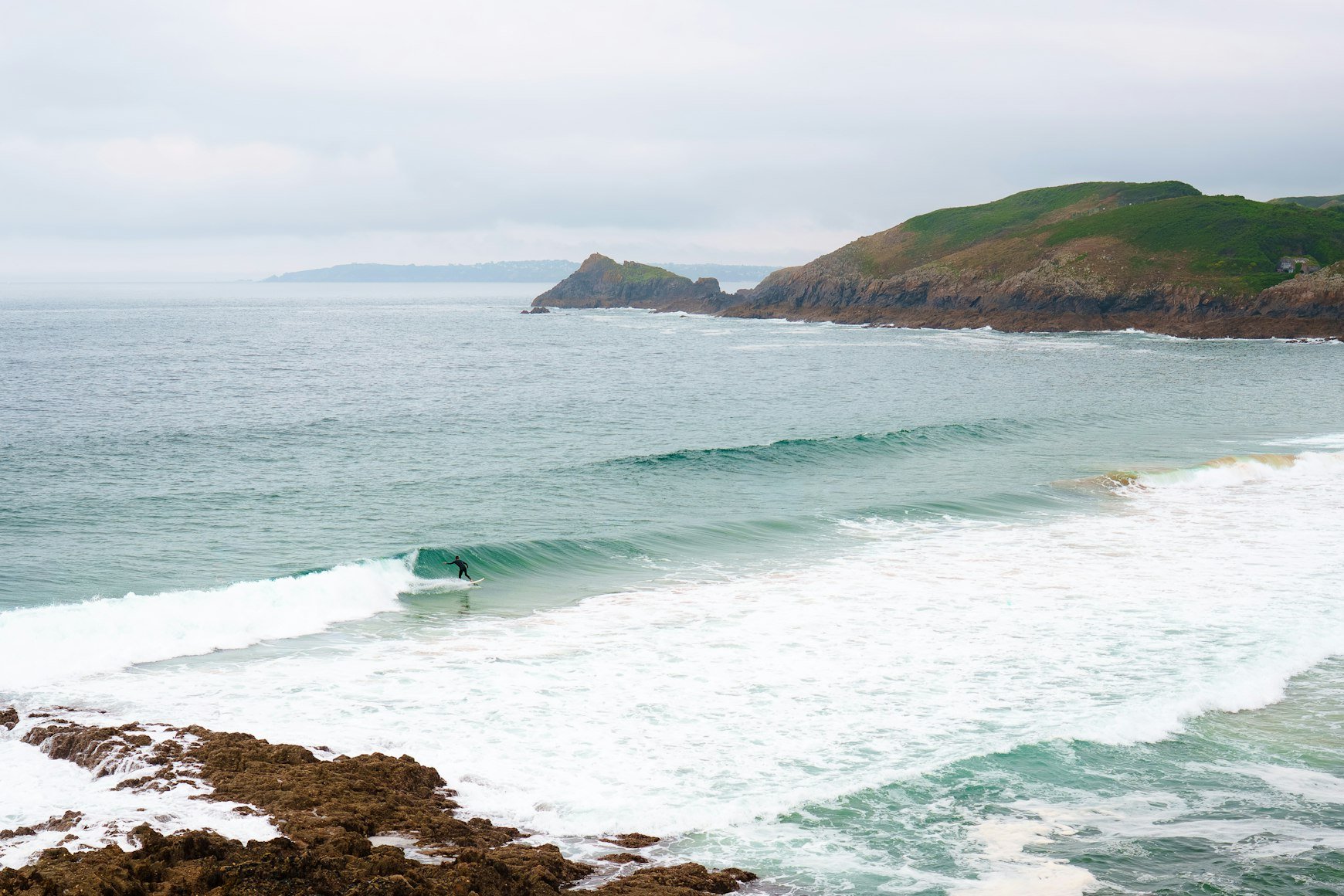
Brittany is France's wild northwest, where rugged Celtic coastlines meet powerful Atlantic swells. With 1,500km of indented shoreline across Finistère and Morbihan, this region breeds France's hardiest surfers in water that rarely exceeds 18°C even in summer.
La Torche stands as Brittany's crown jewel and France's most consistent wave. This ultra-reliable peak beside a rocky headland picks up virtually every W-NW swell, delivering waves year-round from playful summer peaks to grinding winter barrels. The strong rip current locals call "the elevator" assists paddling out on bigger days.
South Brittany offers the region's best variety: Pointe de Dinan produces 200-500m performance rights on solid swells, La Palue delivers heavy beachbreak when other spots max out, and Pointe Leydé serves up expert-only slabs over shallow reef.
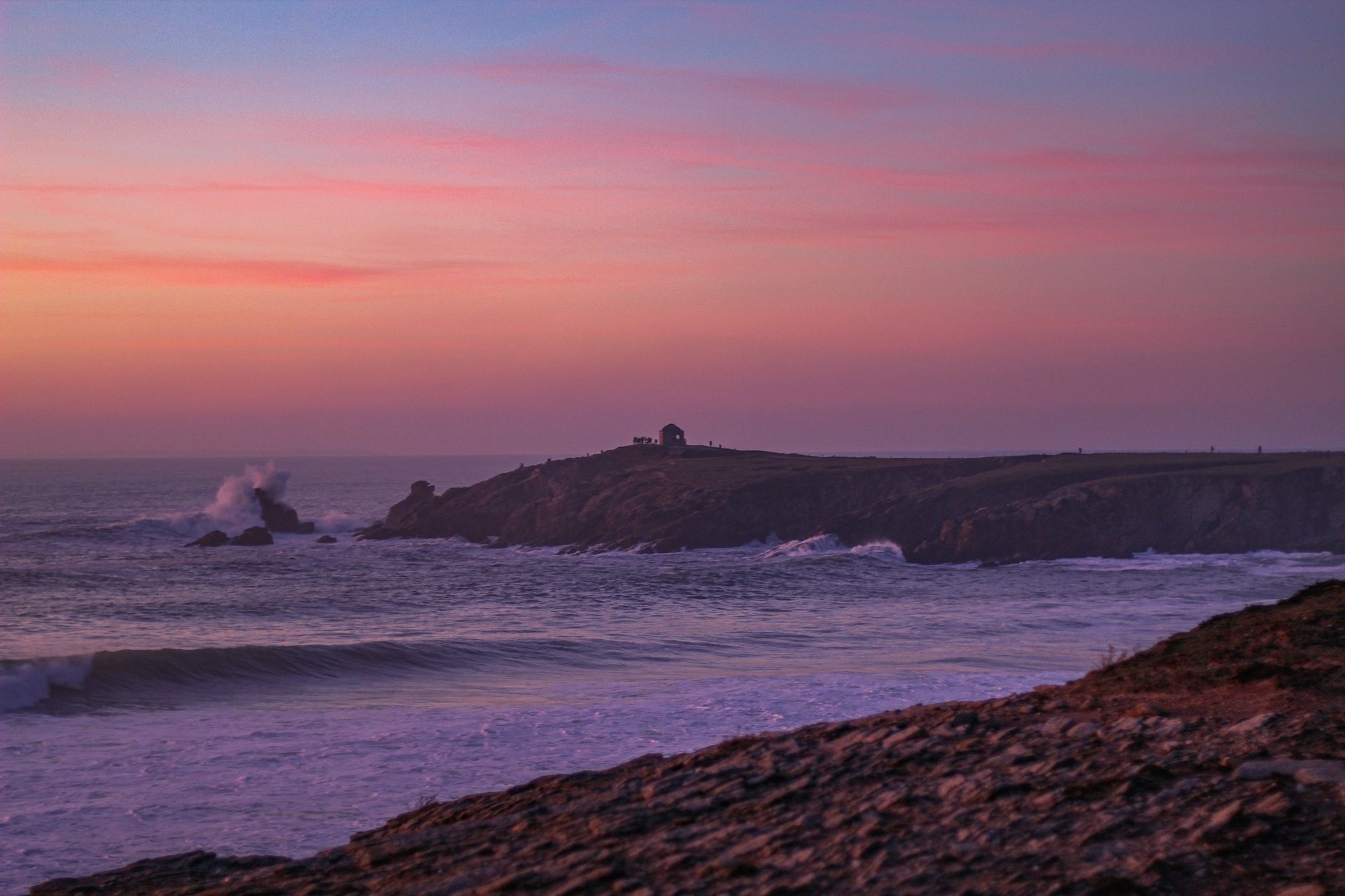
North Brittany features dramatic cliffs, deep estuaries, and rocky skerries. Spots like Le Petit Minou and Cap Fréhel require local knowledge and precise tide timing given the extreme tidal range (up to 9m in places).
This is Celtic France: cold, rainy, windswept, and fiercely independent. You come here for the waves and raw landscape, not the scene. The surf community is tight-knit, crowds are minimal outside La Torche, and empty lineups reward those willing to explore.
Explore More French Surf Regions
→ Surf guide to Pays de la Loire
Surf Culture in Brittany
Brittany is Celtic France: proudly independent with the Breton language and culture persisting throughout. This isn't the glamorous French Riviera or trendy surf scene of Hossegor. You come here for the waves and raw landscape.
The surf community is smaller and tight-knit. Locals are welcoming but protective of their breaks, especially the hidden reefs that require earned knowledge. Show respect, observe before paddling out, and you'll be accepted.
Life revolves around the sea: fishing villages, oyster farms, crêperies serving galettes (savory buckwheat crêpes). The food is hearty, portions generous, prices reasonable. Cider replaces wine as the drink of choice.
Accommodation ranges from basic campsites to charming stone gîtes (cottages). Don't expect surf camp party vibes. The atmosphere is mellow, nature-focused, and appeals to those seeking authenticity over scene.
Weather shapes everything. When it's grey and raining (often), hunker down with a bowl of seafood. When the sun breaks through and the swell is pumping, Brittany reveals why dedicated surfers make the pilgrimage.
Best Surf Spots in Brittany
La Torche
Beginner to AdvancedFrance's most consistent wave. Ultra-reliable peak beside a rocky headland picking up virtually every W-NW swell. Multiple sections from the point to the beach. Strong rip ('the elevator') assists paddle out. Can handle size but gets crowded.
Pointe de Dinan
Intermediate to AdvancedPerformance right pointbreak on the Crozon Peninsula. Long, walled rides of 200-500m+ on solid swells. Protected from northerly winds. Watch for rocks and boils at low tide. One of Brittany's best when conditions align.
La Palue
Intermediate to AdvancedPowerful beach break on Crozon Peninsula. Heavy waves with strong currents. Works on bigger swells when La Torche maxes out. Less accessible keeps crowds manageable.
Baie des Trépassés
IntermediateBay flanked by headlands at Brittany's western tip. Magnet for N-NW winter swells. Can get hefty rips and closeouts when big. Best on low-tide turn with easterly offshore. Known for cold water even by Brittany standards.
Le Petit Minou
IntermediateNorth Brittany reef near Brest. Quality waves when conditions align. Requires local knowledge for tides and access. Scenic setting below lighthouse.
Pointe Leydé
ExpertHeavy slab breaking over shallow reef. Thick, square barrels for experienced surfers and bodyboarders only. Remote location keeps it uncrowded but dangerous.
Guidel
Beginner to IntermediateProtected bays on south Brittany coast. Northerly winds blocked, waves stay cleaner. Sets tend smaller than La Torche. Brittany's learner haven with multiple accessible beaches.
Brittany Surf Conditions
Weather
Climate: Maritime climate with mild, wet winters and cool summers. Frequent Atlantic fronts bring changeable weather.
Autumn (Sep-Nov): Temps 12-18°C, decreasing. Best swell consistency. Rain frequent but sunny spells occur. Ideal weather-to-waves balance.
Winter (Dec-Mar): Cool at 6-12°C with regular rain and strong winds. Storms bring big swells but challenging conditions. Short daylight limits sessions. Grey, moody atmosphere.
Spring (Apr-May): Slowly warming to 10-16°C. Variable conditions. Can be sunny or stormy. Swells still consistent. Uncrowded.
Summer (Jun-Aug): Mild at 16-22°C (rarely hot). Longest days. Occasional onshore winds. Smaller swells. Most pleasant weather but least consistent surf.
Note: Brittany is significantly wetter and windier than Southwest France. Pack waterproof layers.
Water Conditions
Water Temperature:
- Winter (Dec-Mar): 10-13°C → 5/4mm or 6/5mm + boots, gloves, hood
- Spring (Apr-May): 12-14°C → 5/4mm or 4/3mm + boots recommended
- Summer (Jun-Aug): 15-18°C → 3/2mm or 4/3mm
- Autumn (Sep-Nov): 14-17°C → 4/3mm, boots by November
Tides: Extreme tidal range up to 9m in places. Many spots only work certain tides. Check charts daily, arriving at wrong tide wastes sessions. Spring tides amplify the range further.
Currents: Strong rips at beach breaks, especially La Torche. The "elevator" rip at La Torche assists paddle out but can sweep inexperienced surfers. Respect the ocean.
Water Quality: Generally excellent. Some river runoff after heavy rain near estuaries. Remote beaches pristine.
How to Get to Brittany
Airports: Brest (BES) serves Finistère, closest to La Torche and Crozon Peninsula. Nantes (NTE) is larger with more connections, 2.5 hours south. Rennes (RNS) covers eastern Brittany.
Getting Around: A rental car is essential. Brittany's indented coastline spreads spots across rural areas. Coastal roads are scenic but slow. Allow extra time for navigation on narrow lanes.
Distances: Brest to La Torche: 40km (45 min). Brest to Crozon (Pointe de Dinan): 60km (1 hour). Quimper to La Torche: 20km (25 min). Rennes to La Torche: 230km (2.5 hours).
Parking: Easier than Southwest France. La Torche lot fills on good swells. Most spots have free parking with short walks through dunes or paths. Remote points require hiking.
Public Transport: Very limited. Trains serve Brest, Quimper, Lorient but don't reach surf spots. Buses infrequent. Car rental is the only practical option.
Surf Camps in Brittany
Surf Camps
View all →
Surf Camp XXIX
Love Yoga Surf